CP020029-473-Piston-for-BFT-waterjet-systems
Product Name: Piston (Part No. CP020029/473)
Description:
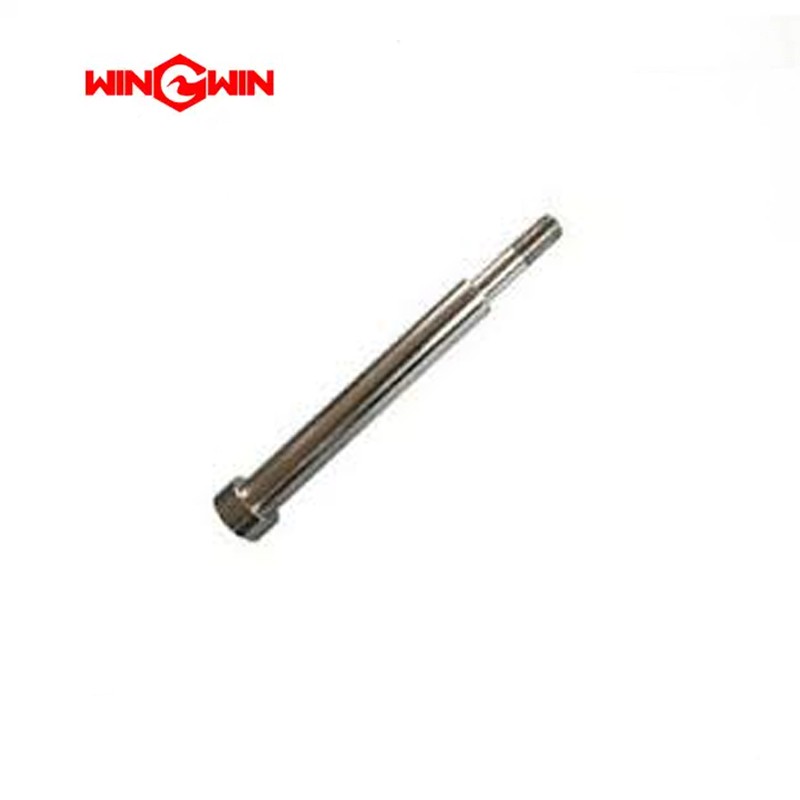
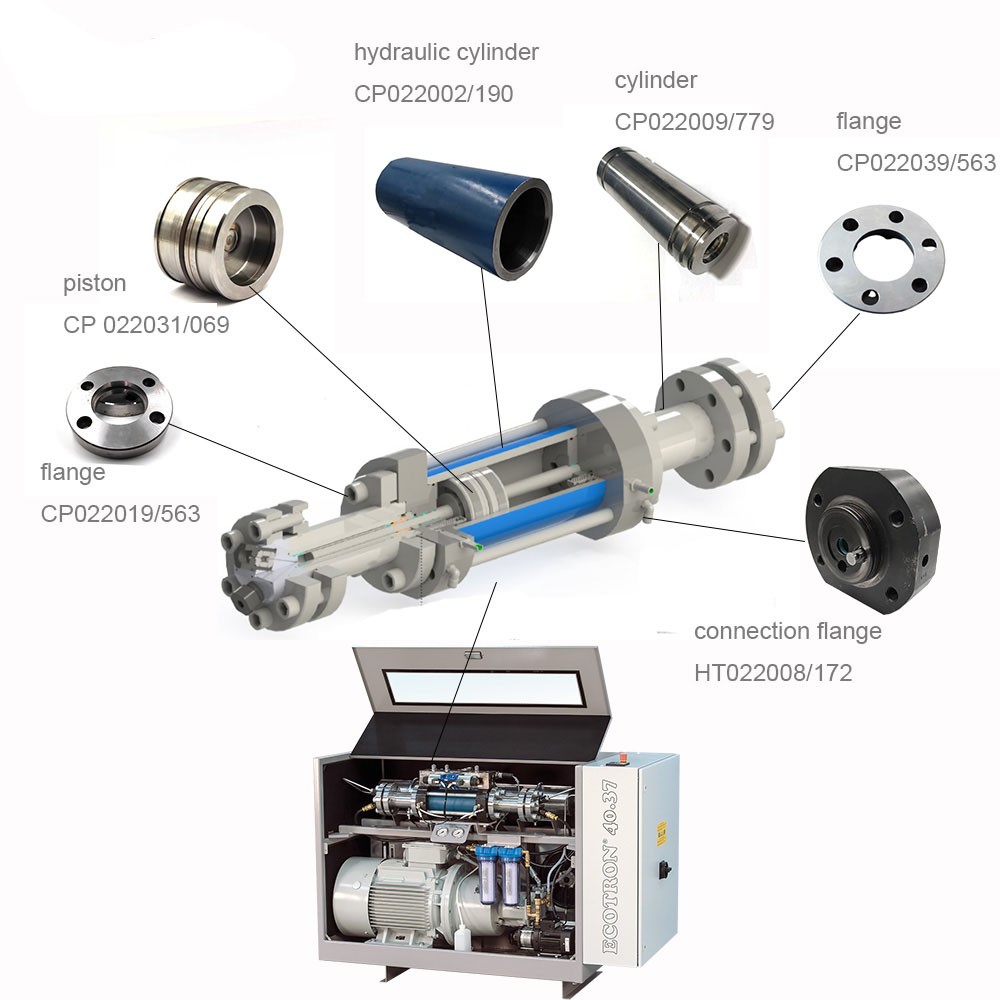
This component is the low-pressure piston for BFT waterjet intensifier pumps . It is a precision-machined hydraulic cylinder component that serves as the driving element within the low-pressure hydraulic section of the intensifier . The piston converts hydraulic oil pressure into linear mechanical force, which drives the high-pressure plunger to compress water to cutting pressures.
Manufactured from high-strength steel with precision-machined surfaces and seal grooves, this piston is designed to withstand millions of high-cycle pressure strokes. The surface finish and dimensional accuracy are critical for proper sealing with the piston rings and O-rings. The piston is classified as a semi-wear component; the piston itself is durable, but the piston rings and seals require periodic replacement.
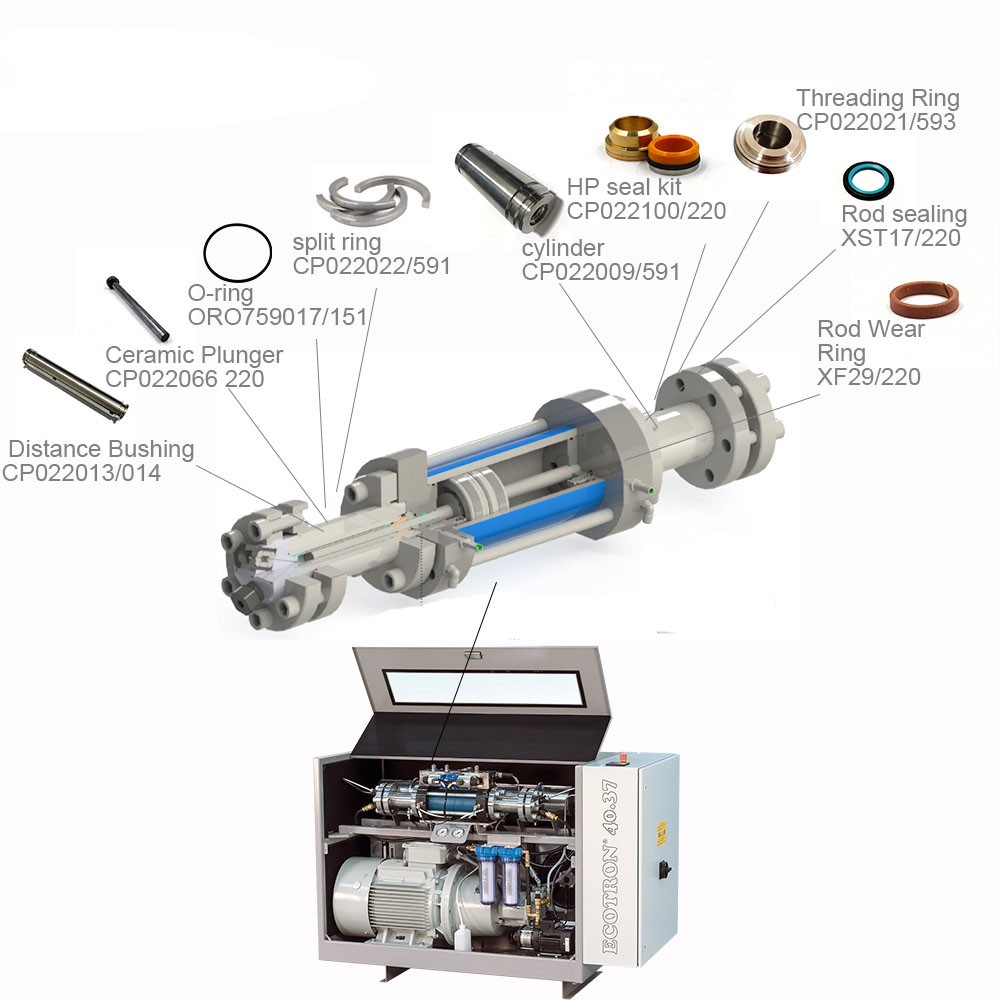
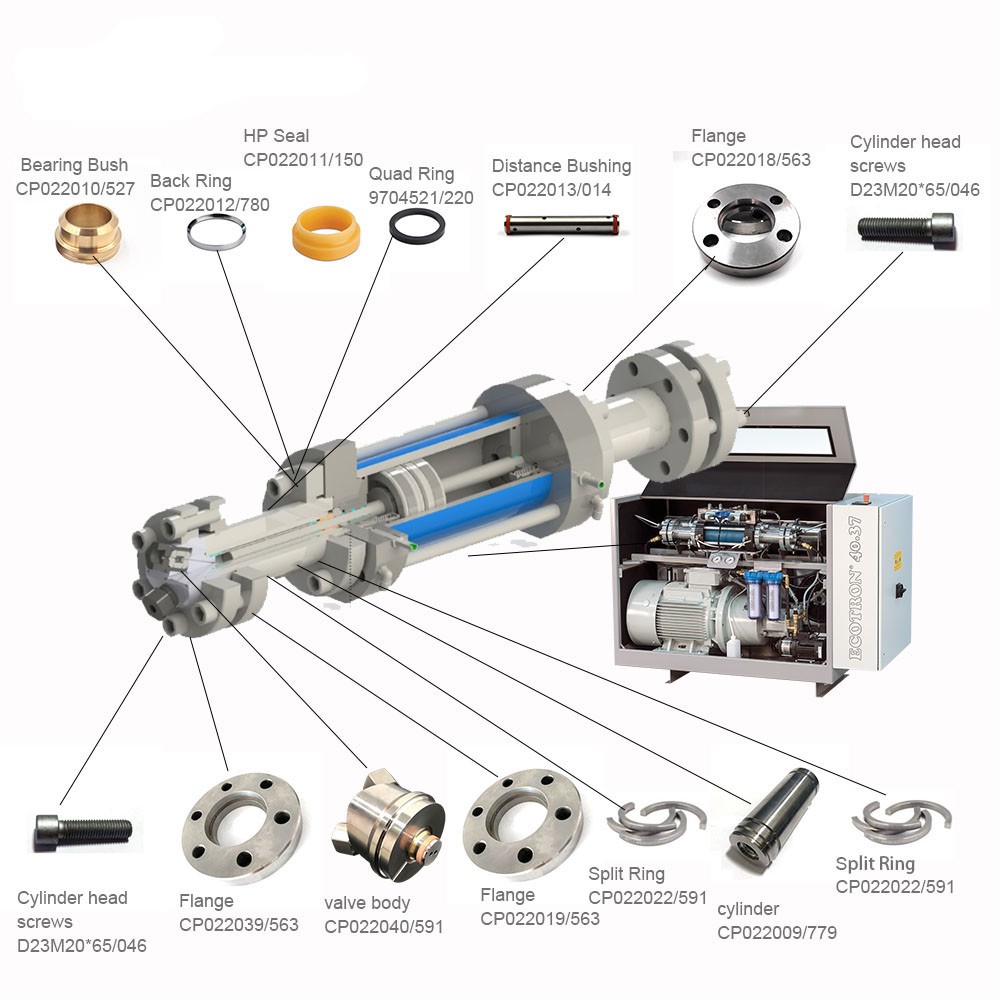
This component is a standard part in BFT intensifier assemblies, including CP022001/2 , and is fully compatible with other major waterjet intensifier systems including WJS, Maximator Jet, STM, and Intermac Primus .
Applications:
Serves as the primary hydraulic piston in the low-pressure section of BFT waterjet intensifier pumps
Converts hydraulic oil pressure into linear mechanical force to drive the high-pressure plunger
Used during scheduled preventive maintenance, major pump overhauls, or when piston damage is detected
Suitable for ultra-high pressure waterjet systems operating at 4,137 bar (approximately 60,000 PSI)
Features:
High-Strength Steel Construction: Manufactured from premium steel for exceptional durability and fatigue resistance under extreme pressure cycling
Pressure Rating: Engineered for continuous operation at 4,137 bar (60,000+ PSI)
Precision-Machined Surfaces: Designed with accurate seal grooves and bearing surfaces for proper fit with piston rings and wear components
Critical Power Transmission Component: Directly responsible for driving the high-pressure plunger that generates cutting pressure
Semi-Wear Part Classification: The piston itself is not a high-wear consumable; however, it requires inspection for surface damage during major overhauls
OEM Compatibility: Direct replacement for BFT part number CP020029/473, listed as Item 16 in intensifier assembly CP022001/2 parts diagrams
Maintenance:
Failure Diagnosis (When to Inspect/Replace):
Hydraulic Performance Issues: If the intensifier exhibits erratic cycling, reduced cutting pressure, or fails to maintain pressure, the piston may have worn seals or surface damage
External Hydraulic Leakage: Visible oil weeping from the pump cylinder area indicates seal failure; the piston surface should be inspected for scoring
Water Contamination in Hydraulic Oil: Milky or discoloured hydraulic oil may indicate seal failure allowing water intrusion past the piston seals
Visible Surface Damage: During pump overhaul, inspect the piston surface for scoring, galling, pitting, or uneven wear. Any visible damage warrants replacement
Scheduled Overhaul: It is standard practice to inspect the piston during major pump overhauls (typically every 4,500-5,000 operating hours) and replace it if any wear is detected
Inspection and Replacement Guidelines:
Full Depressurization (Critical): Before any maintenance, fully depressurize the waterjet system (high-pressure water, hydraulic system, and air supply) and follow lockout/tagout procedures
Clean Area Maintenance: Perform the rebuild in a designated clean area to prevent contamination of components with abrasive particles
Disassembly Sequence:
Remove the end bells and high-pressure cylinder from the intensifier stack
Remove the tie rods and separate the hydraulic cylinder assembly
Extract the piston assembly from the hydraulic cylinder bore
Thorough Cleaning: Clean the piston surface and seal grooves with a soft cloth and low-pressure water or compatible solvent. Remove all debris, old seal residue, and mineral deposits. Do not use abrasive tools
Dimensional Inspection: Measure the piston diameter at multiple points using a micrometer to detect uneven wear or out-of-round conditions
Seal Groove Inspection: Inspect the seal grooves for nicks, burrs, or damage that could compromise new seal installation
Cylinder Bore Inspection: Before installing a new piston, inspect the hydraulic cylinder bore for scoring, pitting, or wear. A damaged cylinder will rapidly destroy new piston seals
Lubrication: Apply a generous amount of clean hydraulic oil or manufacturer-recommended high-pressure grease to the piston and cylinder bore during reassembly to prevent dry start-up
Use Ring Compressor: When installing the piston with new piston rings, use a ring compressor to properly size the rings so they fit into the cylinder bore
Torque Compliance: When reinstalling the piston assembly and end bells, tighten the tie rod nuts in a crossing (staggered) pattern to the torque values specified in the equipment service manual
Replacement Criteria: Replace the piston immediately if visible scoring, pitting, galling, cracking, or significant uneven wear is detected. Do not attempt to repair a damaged piston
Cross-Reference Information:
Compatible with: BFT, WJS, Maximator Jet, STM, Intermac Primus systems
Pressure Rating: 4,137 bar / 60,000 PSI