
News
-
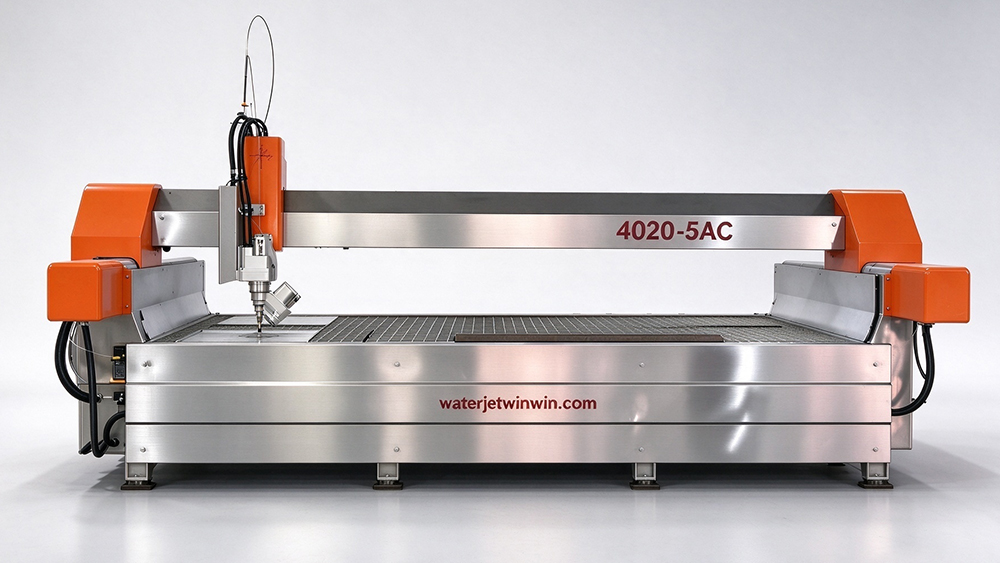
5-Axis Waterjet Bevel Cutting: ±69-Degree Spatial Angles Formed in a Single Pass
5-axis waterjet bevel cutting uses A/C rotary axes to produce V, Y, and K grooves in one setup, eliminating separate machining. Cold cutting preserves material properties, and multi-axis motion enables aerospace composite trimming without delamination.Read more -
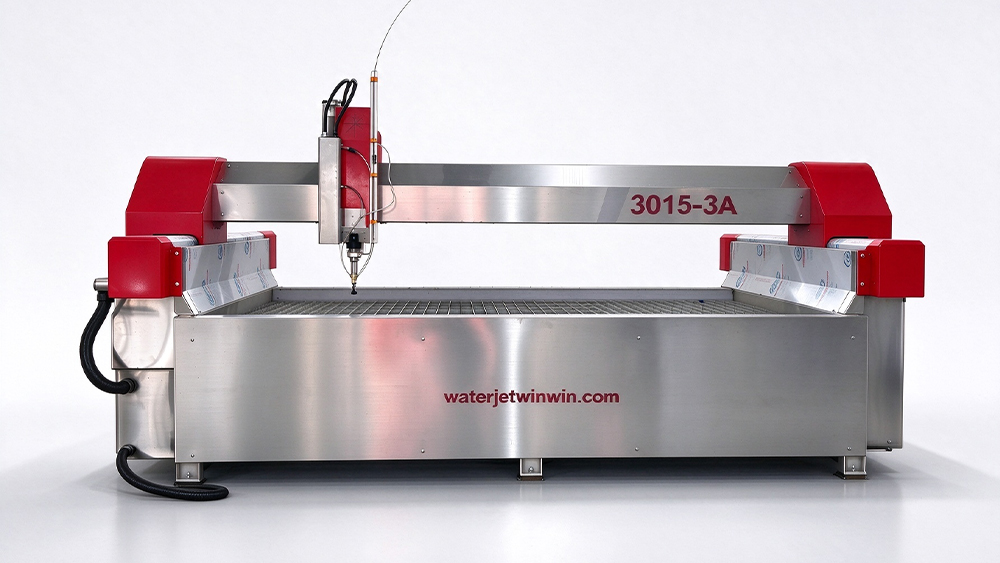
Core Difference Between 3-Axis and 5-Axis Waterjets: From "Vertical Cutting" to "Spatial Machining"
3-axis waterjets handle flat 2D contour cutting with stability and low cost but cannot bevel or compensate taper. 5-axis waterjets add A/C rotary axes for bevels, taper compensation, and 3D machining, eliminating secondary finishing.Read more -
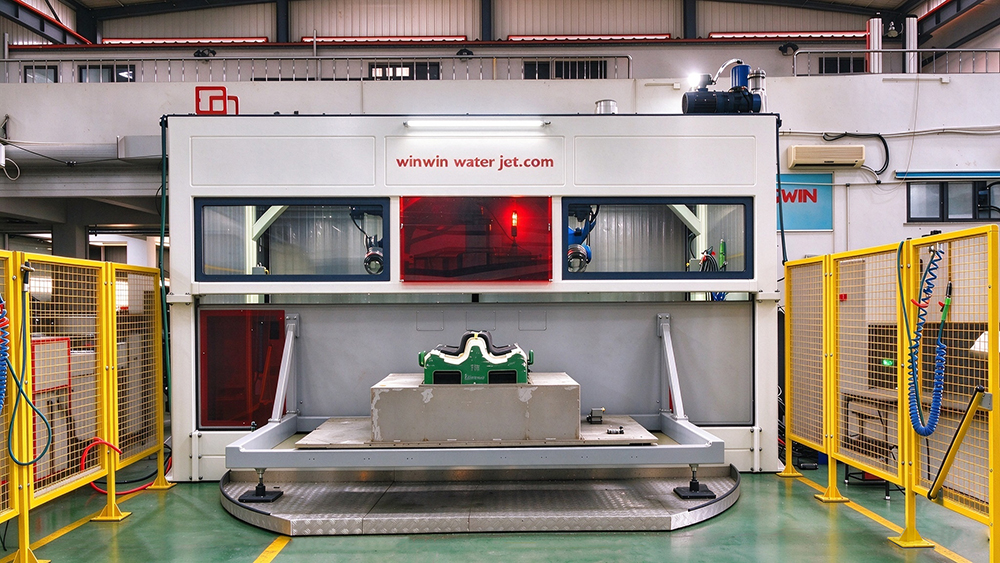
Robotic Waterjet Systems Take on Aerospace Composites and Titanium Cutting
Robotic waterjet systems trim, drill, and contour aerospace composites and titanium. Six-axis robots reach complex 3D surfaces, cold cutting avoids heat damage, and offline programming suits low-volume, high-mix production.Read more -
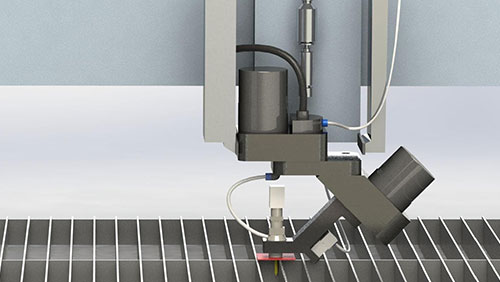
What factors affect waterjet cutting speed and how can efficiency be improved?
Waterjet cutting speed depends on material thickness, pump pressure, abrasive feed, and orifice size. Optimize pressure and orifice combination, match abrasive feed rate, use CAM software, and maintain consumables to maximize efficiency.Read more -
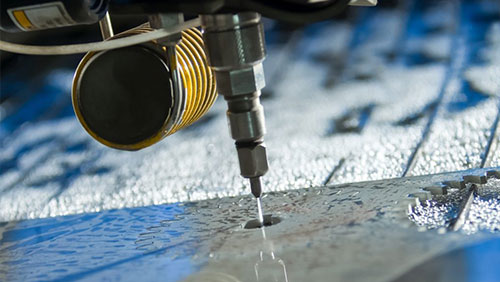
How do you prevent parts from lifting or shifting during waterjet cutting?
Waterjet cutting creates upward force that can lift thin sheets. Prevent movement with active clamping, tabbing small parts, optimized cutting sequence, and level, well-maintained slats.Read more -
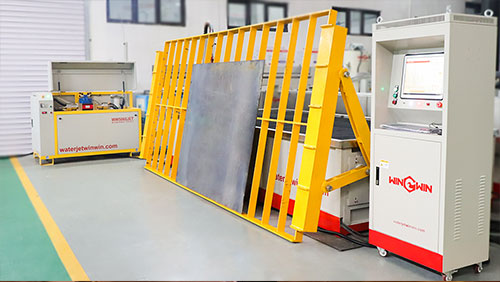
Can a waterjet machine be equipped with an automatic loading and unloading system?
Waterjet machines can integrate automatic loading and unloading via suction gantries, robotic arms, or shuttle tables, boosting throughput, cutting labor costs, and enabling unattended production with up to 2x productivity.Read more
