
05048780-Split-Flange-Kit
Product Name: Split Flange Kit (2.0″) – Part No. 05048780
Description:
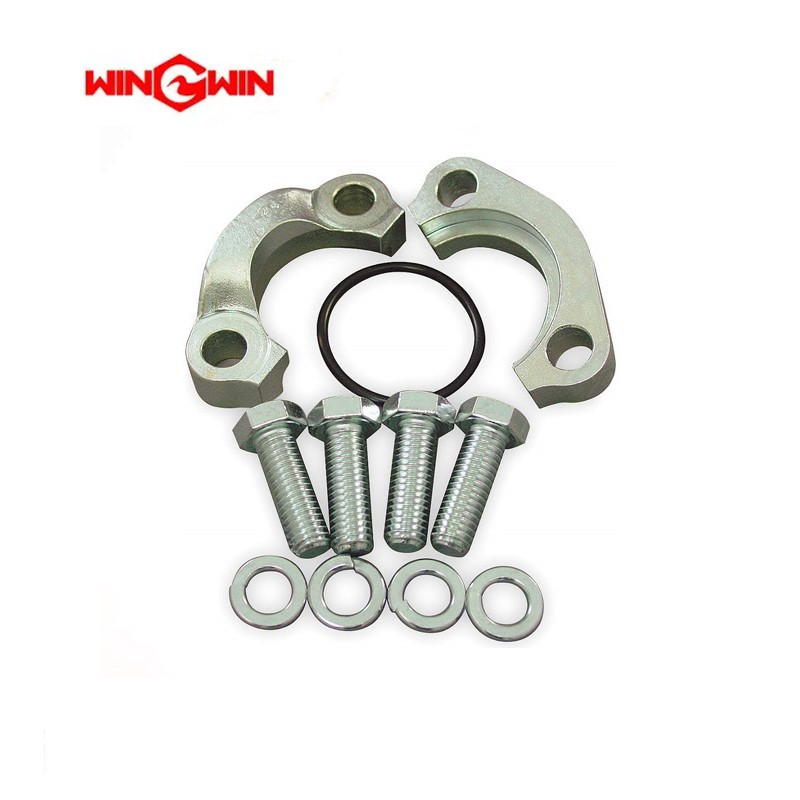
This component is a 2.0-inch (2") split flange kit, specifically designed for high-pressure hydraulic connections in waterjet cutting systems . A split flange, also known as a split-flange connector or 2-piece flange clamp, is a type of heavy-duty hydraulic fitting used to securely connect large-bore hoses or pipes to components like pumps, valves, or manifolds .
The "split" design consists of two identical, precision-machined metal halves that bolt together around the flange head of a mating hose or pipe fitting. Instead of threading the pipe into the pump housing, the flanged connection is bolted down. When the two halves are tightened, they create a powerful clamping force, compressing the flange head against a corresponding flat surface to form a leak-proof, high-pressure seal. This kit is listed as Item 9 in Table 12-13 (Hydraulic Hose Connections 72159239) and as Item 6 in Table 12-7 (Hydraulic Pump Assembly 20498668) .
Applications:
Used to connect large-diameter hydraulic hoses to the hydraulic pump, manifold, intensifier, or reservoir in high-pressure waterjet power units .
Installed in the high-flow, low-pressure hydraulic circuit (suction and return lines) where threaded connections might be impractical or prone to loosening under vibration .
Part of the assembly for hydraulic pump (P/N 20498668) and hydraulic hose connections (P/N 72159239) .
Suitable for oil, hydraulic fluids, and water systems with high flow rates .
Features:
High Clamping Force: Designed to withstand high levels of vibration and pressure pulsation without loosening.
O-Ring / Gasket Seal: Relies on an O-ring or flat gasket (often included in the kit) between the flange faces to ensure a positive, leak-proof seal.
Flange Size: The "2.0" designation typically refers to the nominal pipe size (e.g., 2-inch ID hose) or the SAE flange size code (e.g., Code 61 or 62) .
Complete Kit: Generally supplied as a complete kit, including the two mating metal clamp halves, the required mounting bolts (cap screws), and the sealing gasket or O-ring .
Ease of Installation: Allows for blind assembly and reduces the risk of hose twisting during installation.
Maintenance:
Inspect for Leaks: Regularly inspect the flange connection area for signs of oil seepage or weeping. A leaking split flange can be identified by oil accumulating at the joint .
Torque Compliance (Critical): When installing or reinstalling, tighten the two cap screws to the specific torque value listed in the equipment service manual using a calibrated torque wrench . Over-tightening can warp the flanges, while under-tightening will cause leaks.
Inspect the Seal: If a leak is detected, disassemble the split flange and inspect the O-ring or gasket for nicks, cuts, or hardening. Replace the seal with a new one if any damage is visible. Do not reuse an old seal.
Check for Wear: Examine the mating metal surfaces for any burrs, nicks, or scoring that could compromise the seal.
Full Depressurization (Critical): Before any maintenance, fully depressurize the hydraulic system, shut down the high-pressure water system, and follow lockout/tagout procedures to prevent high-pressure fluid injection injuries.
Product recommendation
-
Electronic-Shift-Assembly-Check-Valve-80085756
-
Short-Stop-Filter-WAdapter-Assembly-301026-3
-
Extension Tube / Cutting Head Connecting Rod / Part No. 510000466
-
Waterjet robot parts Coil 104759 Axis 3 IRB1600 High pressure Tube
-
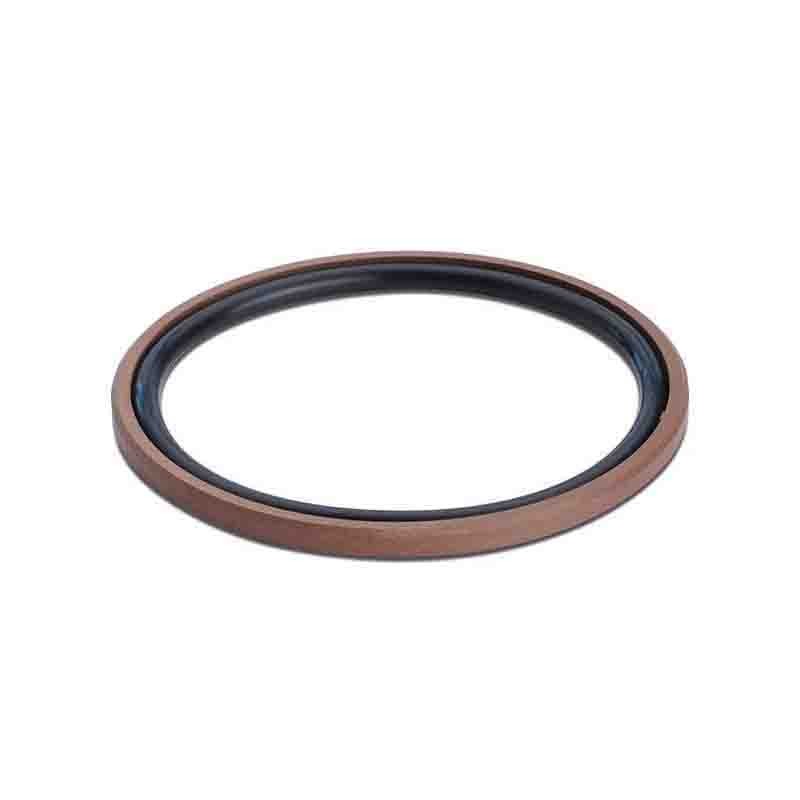
Water-Jet-Parts-Piston-Sealing-XK121-220
-
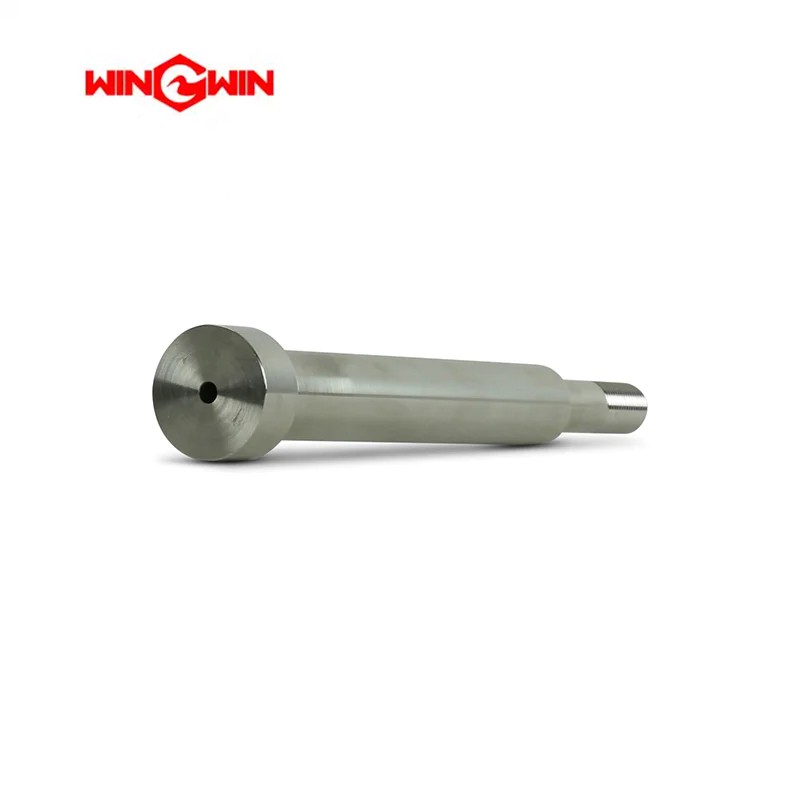
10138428 Actual in 5.65 (143.51) Nominal in 6.00 (152.40)
-
Low Pressure Valve Pad / Insert Poppet / Part No. 510000358
