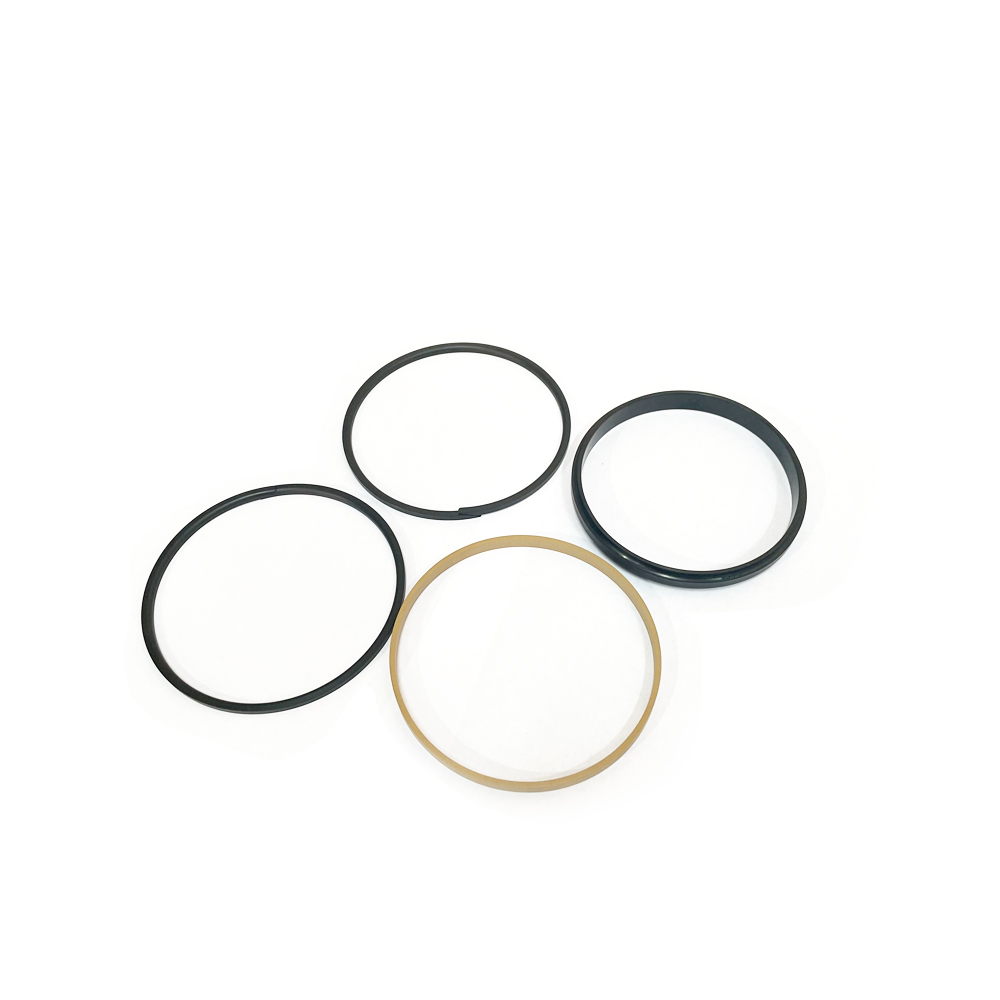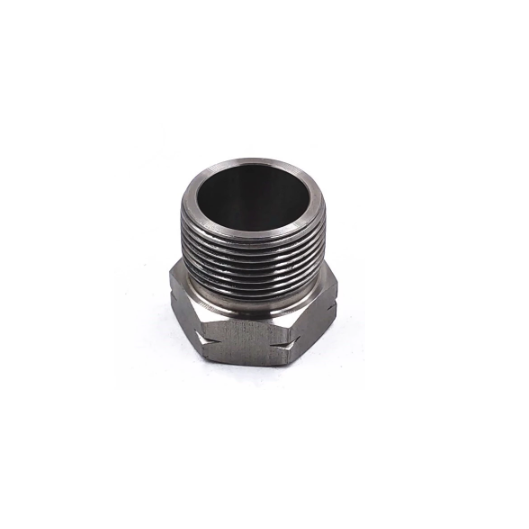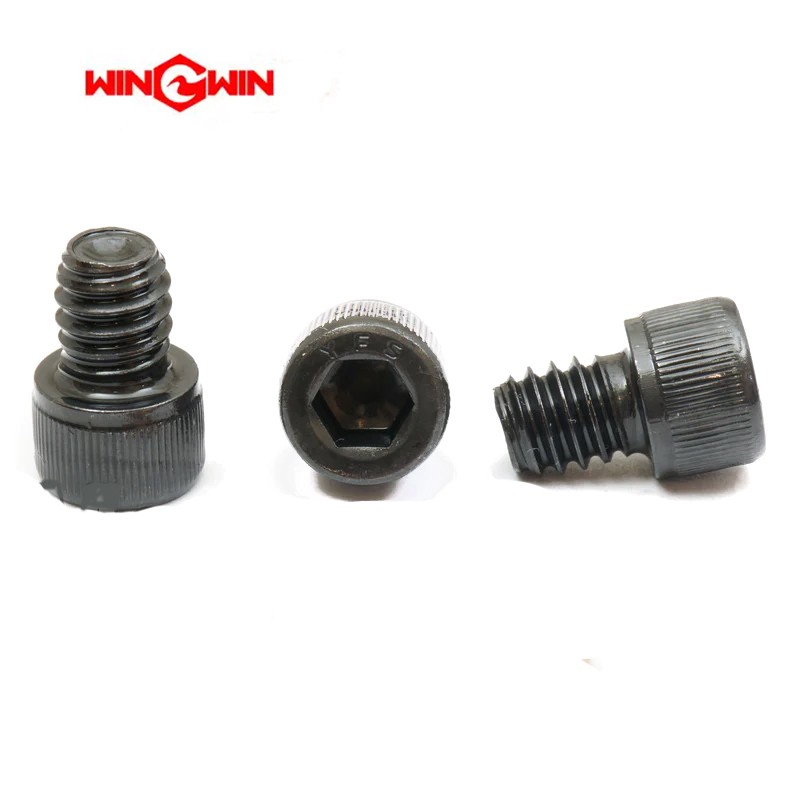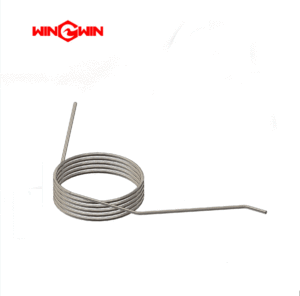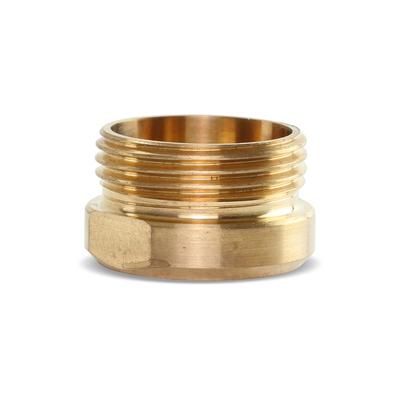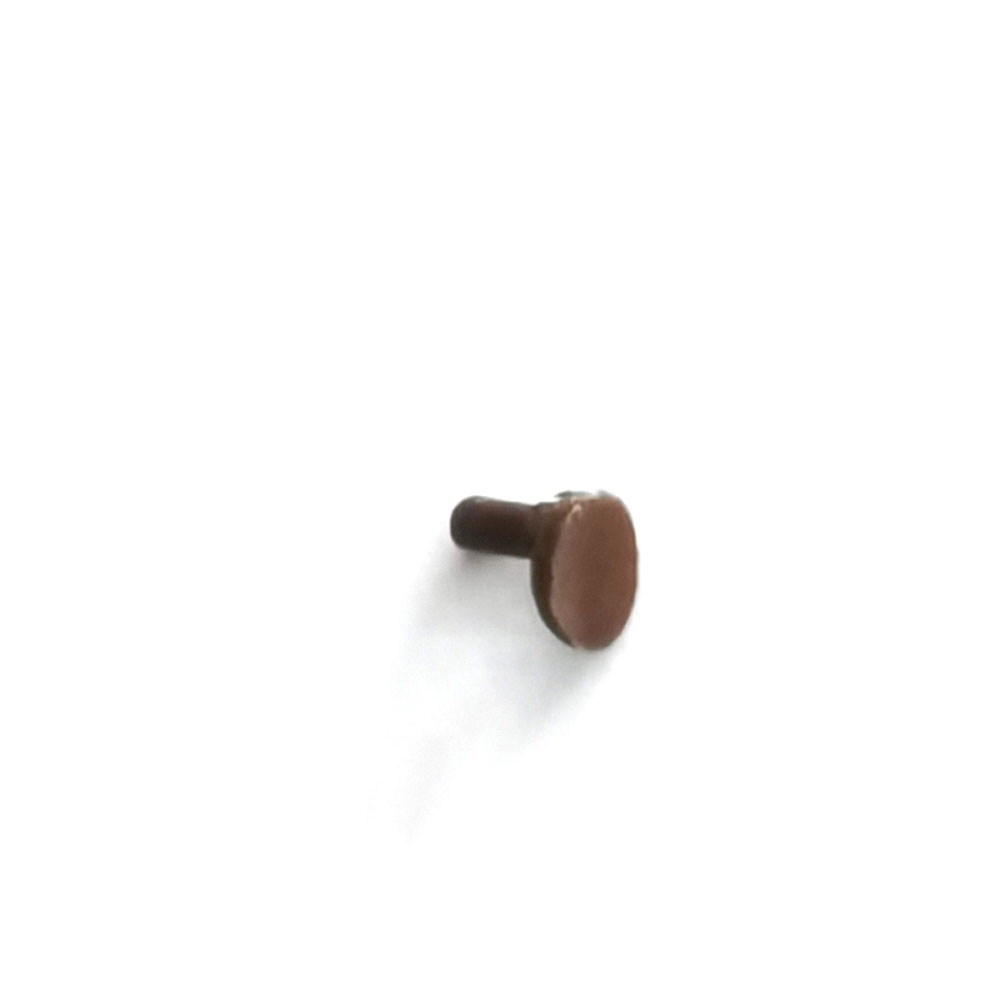
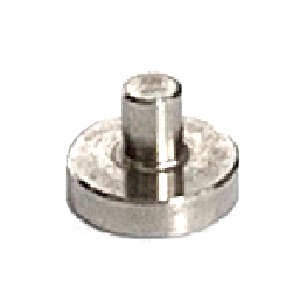
Low Pressure Valve Pad / Insert Poppet / Part No. 510000358
Product Name: Low Pressure Valve Pad / Insert Poppet / Part No. 510000358
Description:
This component is a low pressure valve pad, also known as an insert poppet or inlet poppet. It is a precision-machined, plug-shaped sealing component designed for the low-pressure hydraulic circuit within a waterjet intensifier pump. Manufactured from hardened steel, it acts as the moving sealing element within a check valve or relief valve assembly, controlling the flow of hydraulic fluid at the low-pressure inlet side .
Applications:
Controls the flow of hydraulic fluid in the low-pressure section of the waterjet intensifier pump.
Functions as a sealing plug (poppet) inside the inlet check valve, preventing backflow.
Rated for ultra-high pressure systems up to 4,137 bar (60,000 PSI) .
Features:
Hardened Steel Construction: Provides high wear resistance and durability under repetitive impact and fluid flow .
Precision Sealing Surface: The poppet face is machined to exact tolerances to create a reliable seal against its corresponding valve seat.
Low-Pressure Specific: Engineered for the hydraulic (oil) side of the intensifier, rather than the high-pressure water side.
Interchangeable: Directly cross-references with OEM part numbers EP0062 and Dardi G9 inlet poppet .
Lightweight: Weighs approximately 0.005 kg (0.011 lbs) for easy handling .
Maintenance:
Wear Inspection: During pump overhaul, inspect the poppet's sealing face for pitting, grooving, or deformation. A worn face will cause pressure loss.
Replacement Criteria: Replace the insert poppet immediately if any surface damage is visible. A failing poppet prevents the valve from sealing, leading to pressure instability .
Seat Matching: Always inspect the mating valve seat when replacing the poppet. Replace both components if either shows wear.
Contamination Control: Keep the poppet and valve cavity surgically clean during assembly. Debris is a leading cause of premature seal failure.
Full Depressurization: Always fully depressurize the hydraulic system and follow lockout/tagout procedures before replacing the poppet.