Water-Jet-Parts-Piston-Sealing-XK121-220
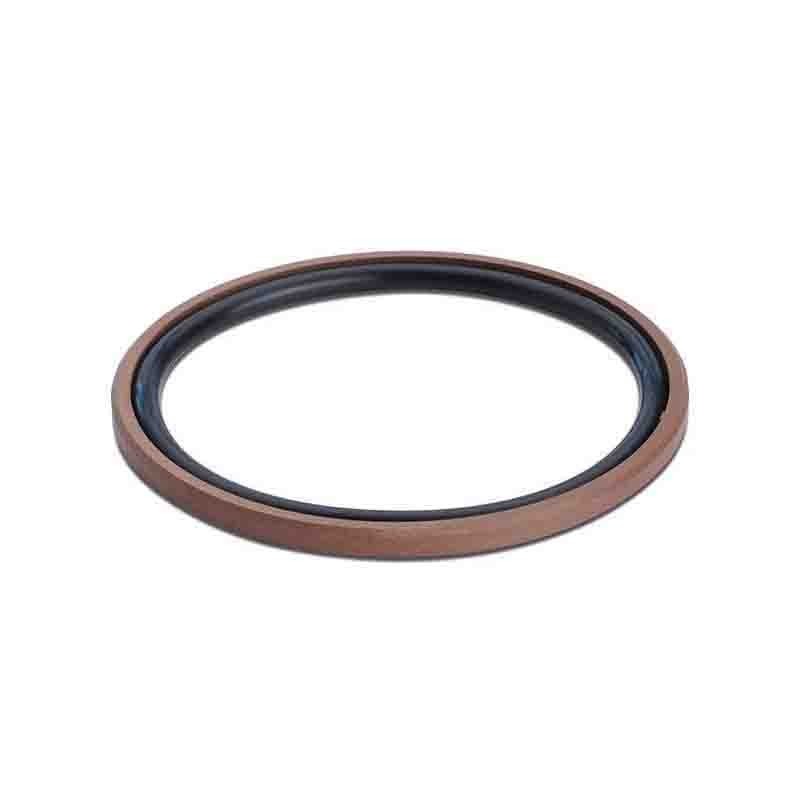
Product Name: Piston Sealing (Part No. XK121/220)
Description:
This component is a piston sealing assembly, specifically designed for the hydraulic (low-pressure) piston in BFT waterjet intensifier pumps . It is a pre-configured set of dynamic sealing elements responsible for creating a leak-tight barrier between the reciprocating hydraulic piston and the cylinder bore . This sealing assembly prevents hydraulic oil from bypassing the piston, which is essential for maintaining stable system pressure and efficient energy transfer to drive the high-pressure plunger .
Applications:
Serves as the primary dynamic sealing element for the hydraulic piston within the intensifier pump.
Prevents hydraulic oil bypass and internal leakage, ensuring the piston converts hydraulic pressure into consistent linear force.
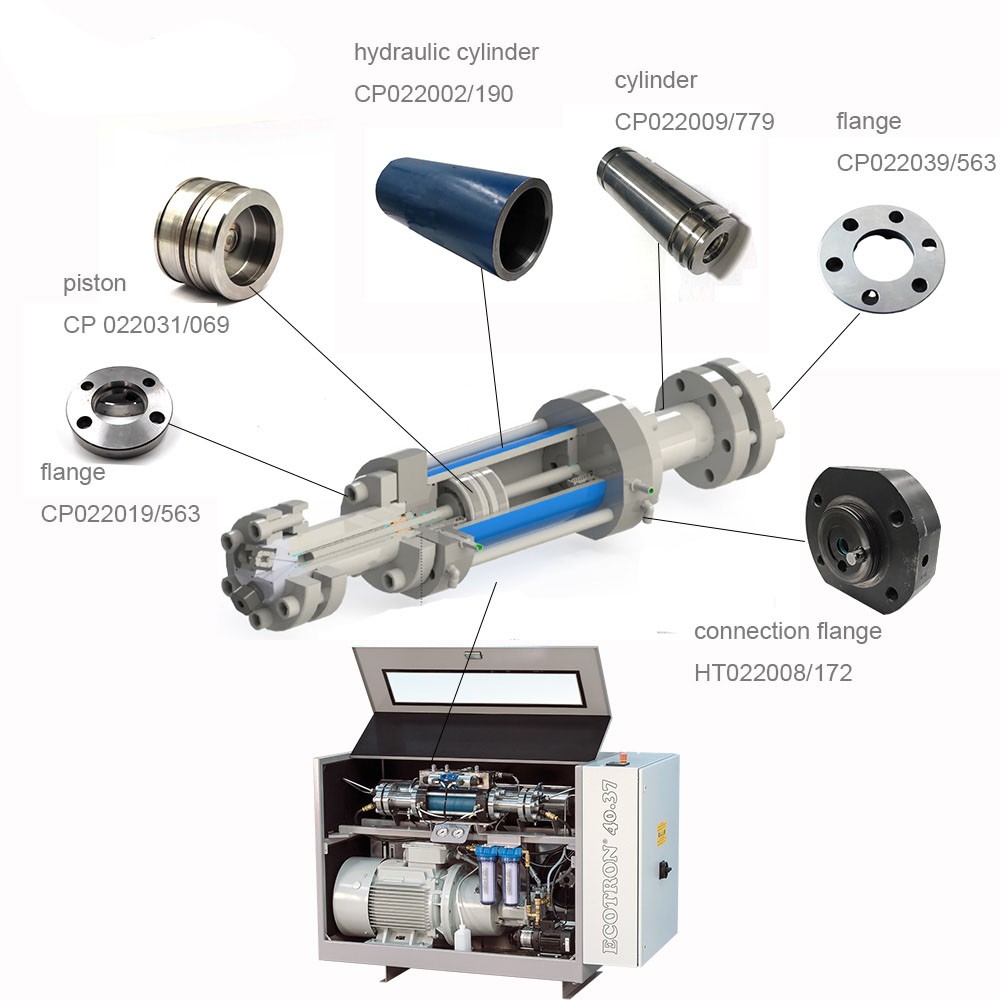
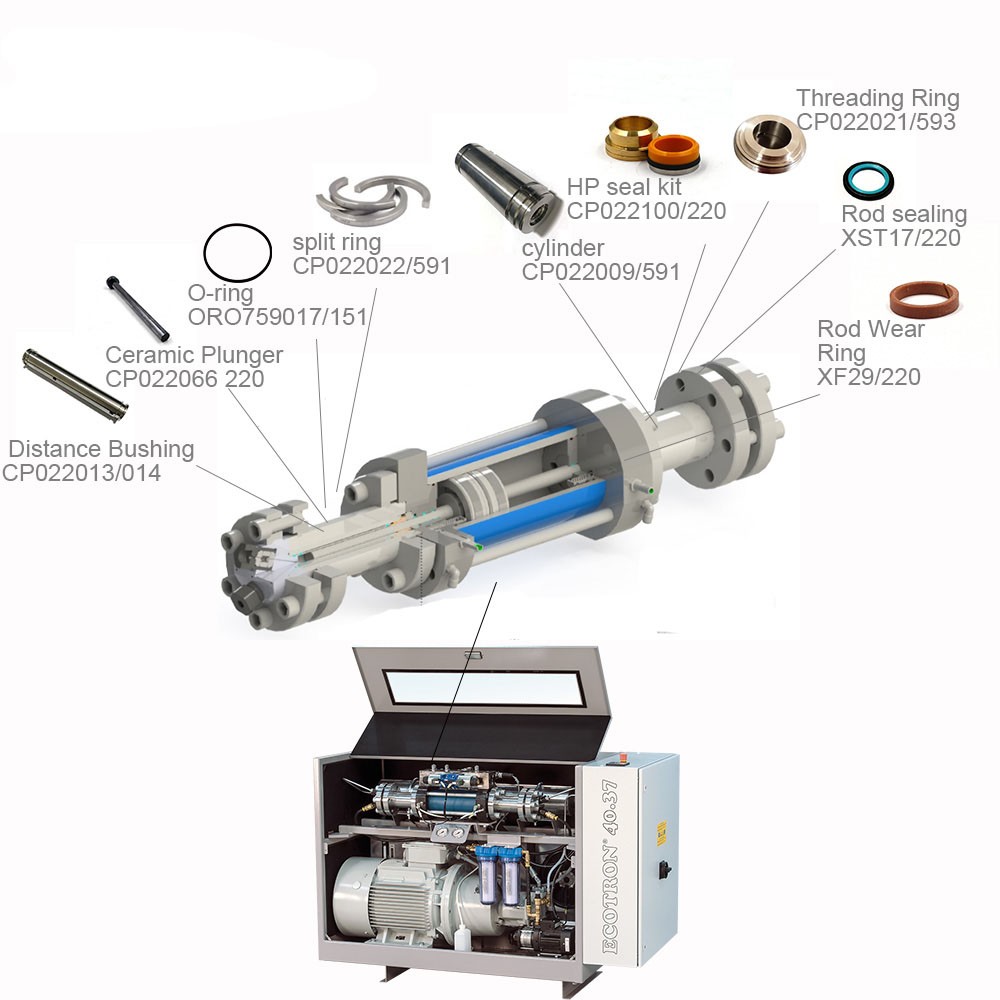
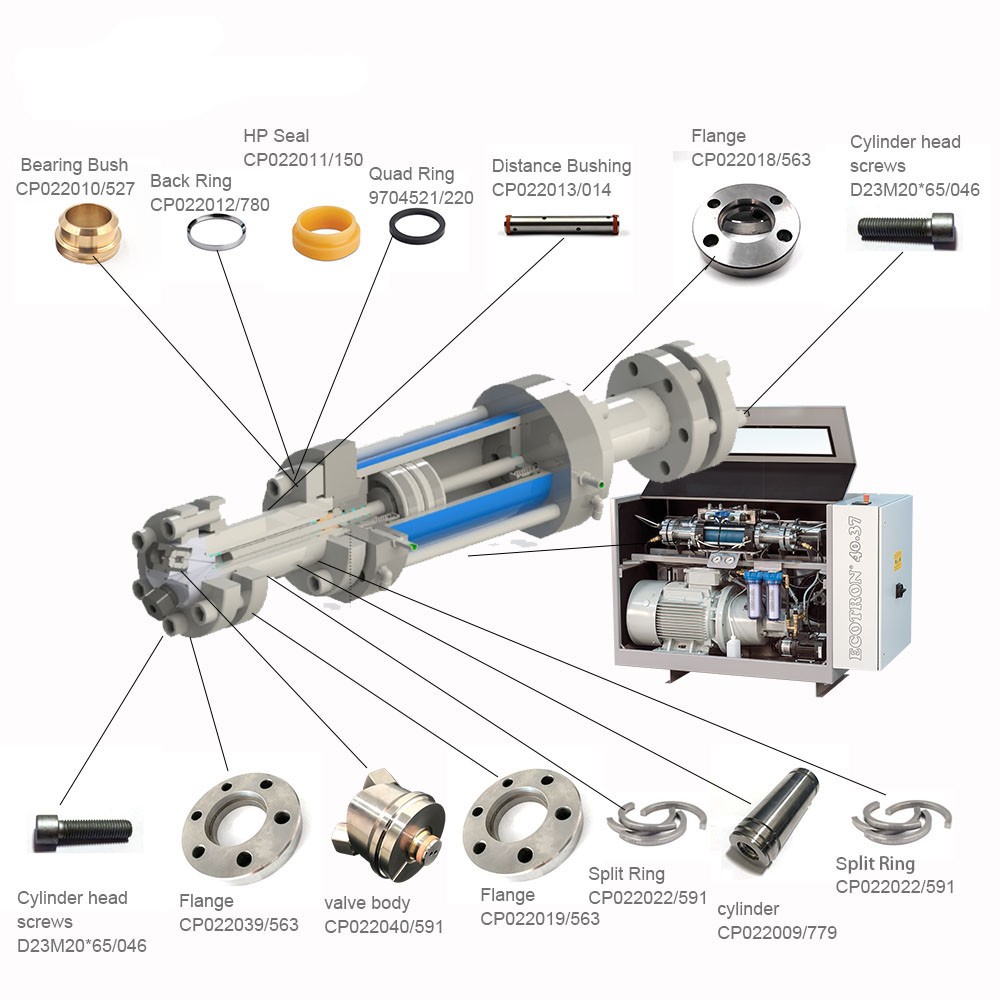
Part of the seal stack for BFT intensifier assemblies (models CP022001/2 and HT022012/172) .
Used during scheduled preventive maintenance, major pump overhauls, or when symptoms of piston seal failure appear.
Features:
Pressure-Energized Design: The sealing profile uses system pressure to tighten the seal against the cylinder wall, providing a more effective barrier as pressure increases.
High Wear Resistance: Manufactured from high-grade polymer and elastomer materials to withstand millions of high-cycle strokes without premature failure .
Low Friction Configuration: Engineered to reduce friction and heat generation during high-speed reciprocating motion, protecting both the seal and the cylinder bore.
Critical Consumable Component: Classified as a high-wear part that requires periodic replacement to maintain pump efficiency and prevent system failure .
Direct OEM Replacement: Interchangeable with BFT part number XK121/220 and standard OEM specifications .
Maintenance:
Failure Diagnosis (When to Replace):
Erratic Intensifier Cycling: If the intensifier piston moves faster in one direction, fails to shift properly, or "overstrokes," the piston seals are likely worn and allowing internal bypass.
Inability to Build Full Pressure: Worn piston rings and seals allow hydraulic oil to leak internally, preventing the system from reaching its rated cutting pressure .
External Hydraulic Leakage: Visible oil weeping from the hydraulic cylinder or end bell areas indicates rod or piston seal failure .
Hydraulic Oil Contamination: Milky or discolored hydraulic oil may indicate water intrusion past the dynamic seals .
Scheduled Preventive Maintenance: It is standard practice to replace piston seals during major intensifier overhauls (typically every 4,500-5,000 operating hours or whenever the pump is disassembled for seal replacement) .
Inspection and Replacement Guidelines:
Hydraulic Oil Cleanliness (Critical): Contaminated oil with impurities is the primary cause of piston seal and cylinder bore wear. Maintain proper filtration and change oil at recommended intervals .
Full Depressurization (Critical): Before any maintenance, fully depressurize both the hydraulic system and the high-pressure water circuit, and follow lockout/tagout procedures .
Use a Complete Seal Kit: When replacing the piston sealing, it is recommended to replace all seals, wear rings, and O-rings in the hydraulic piston assembly simultaneously using a complete repair kit .
Proper Orientation (Critical): Dynamic seals (such as U-cups) must be installed with the lip facing the pressure source. Consult the equipment service manual for specific orientation diagrams.
Use a Ring Compressor: After installing new seals (particularly Teflon cap rings), the assembly must be resized using a ring compressor so that it will fit properly into the hydraulic cylinder bore.
Inspect the Piston and Cylinder Bore: Before installing new seals, thoroughly inspect the piston surface and the hydraulic cylinder bore for scoring, pitting, or damage. A damaged piston or cylinder will rapidly destroy new seals .
Lubricate During Installation: Generously lubricate the new seals, the piston assembly, and the hydraulic cylinder bore with clean hydraulic oil or high-pressure grease during reassembly to prevent dry start-up.
Torque Compliance: When reinstalling the piston assembly and end bells, tighten tie rod nuts in a crossing (staggered) pattern to the torque value specified in the equipment service manual.
Use an Alignment Fixture: An intensifier assembly fixture must be used to square the end bells with each other during reassembly to prevent oil manifold damage.
Heating the Teflon Cap (If Applicable): To facilitate installation of some piston sealing components (like Teflon cap rings), heat the ring in 150°-200°F (65°-90°C) water for 2-3 minutes to soften it .
Cross-Reference Information:
Also known as: Piston Sealing, Dynamic Seal Kit, Hydraulic Piston Seal
Component of Intensifier Assemblies: CP022001/2 & HT022012/172
Works with: Wear Ring (XF56/220), Piston (CP022031/069), Cylinder (CP022002/190)
Rated Pressure: 60,000-94,000 PSI (4,137-6,480 bar)