High-Pressure Hose (UHP Waterjet Hose)
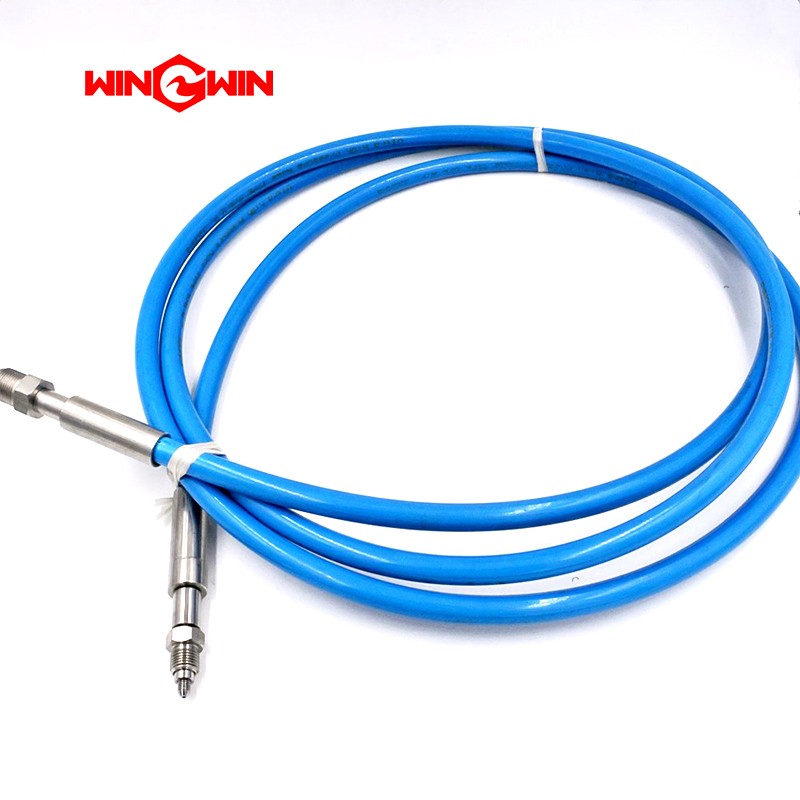
Product Name: High-Pressure Hose (UHP Waterjet Hose)
Description:
This component is a high-pressure hose, also known as an ultra-high pressure (UHP) hose or waterjet cutting hose, designed specifically for waterjet cutting systems . It is a flexible conduit that transports ultra-high-pressure water from the intensifier pump to the cutting head assembly . These hoses are constructed with multiple layers of high-tensile steel wire spiral reinforcement, a specialized thermoplastic or polyoxymethylene (POM) inner tube, and a durable polyurethane outer cover to withstand extreme pressure, pulsation, and abrasive environments .
Applications:
Conveys high-pressure water from the intensifier pump to the cutting head swivel or nozzle assembly
Used for both pure water and abrasive waterjet cutting systems
Suitable for ultra-high pressure waterjet systems typically operating at 40,000–90,000 PSI (approximately 2,800–6,200 bar)
Commonly installed on the Z-axis motion system where flexibility is required
Also used in hydro-demolition, industrial cleaning, and surface preparation applications
Features:
High-Pressure Rating: Engineered for continuous operation at pressures up to 60,000–90,000 PSI (4,137–6,200 bar), with burst pressure safety factors of 2.1–2.5:1
Spiral Wire Reinforcement: Constructed with 4, 6, or 8 layers of high-tensile steel wire spirals, providing superior strength and flexibility
Wear-Resistant Cover: Polyurethane outer cover (e.g., TOUGHJACKET™) provides exceptional abrasion resistance, significantly outlasting standard PVC-covered hoses
ColorGard™ Technology: Embedded contrasting color layer allows visual inspection of inner tube corrosion, improving safety and reducing unplanned downtime
Low Volume Expansion: Minimal expansion under pressure ensures consistent water flow and precise cutting performance
Compact Design: Smaller outer diameter than traditional hoses reduces operator fatigue and improves ergonomics
Wide Temperature Range: Rated for operation from -10°C to +70°C (14°F to 158°F)
Standard Nominal Diameters: Available in common sizes including 6.35mm (1/4 inch) for Z-axis motion and larger diameters for main transmission lines
Maintenance:
Visual Inspection (Critical): Before each operation, inspect the hose for signs of outer cover abrasion, cuts, bulging, swelling, or cracking . Pay particular attention to areas near clamps, fittings, and moving parts.
ColorGard Check: Utilize the ColorGard™ technology to monitor inner tube corrosion. If the inner contrasting color becomes visible through the outer cover, replace the hose immediately .
Service Life Replacement: High-pressure hoses have a finite service life. It is recommended to replace hoses after approximately 1,000 operating hours or as specified by the manufacturer, even if no external damage is visible, to prevent catastrophic failure .
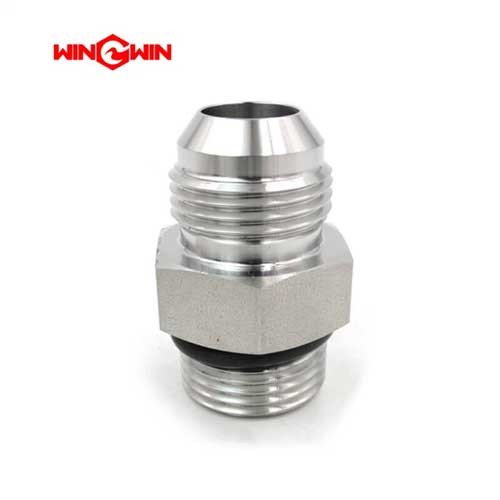
Fitting Inspection: Check all end fittings for tightness, corrosion, or leaks. Ensure sealing cones and threads are free from nicks or damage. Re-torque fittings as specified in the equipment service manual .
Minimum Bend Radius: Strictly adhere to the manufacturer’s minimum bend radius specifications (typically 280–300mm / 11–12 inches for 5/16" hoses) . Exceeding this radius can cause internal kinking, reinforcement damage, and premature failure.
Full Depressurization: Before disconnecting or replacing any high-pressure hose, fully depressurize the waterjet system (both hydraulic and high-pressure water circuits), shut down the intensifier pump, and follow lockout/tagout procedures .
Handle with Care: Avoid dragging hoses across sharp edges or abrasive surfaces. Use protective sleeving in high-wear areas.
Clean Installation: Ensure hoses are kept free from abrasive debris and contaminants. Clean the exterior with a soft cloth and water as needed.
Replacement Criteria: Replace the hose immediately if any of the following are detected:
Outer cover bulging, blistering, or cracking (indicates reinforcement failure)
Deep cuts or abrasion exposing inner layers
Fitting slippage or corrosion
Leakage at any point in the hose assembly
Service life exceeding manufacturer recommendations
Kinking or flattening from improper handling