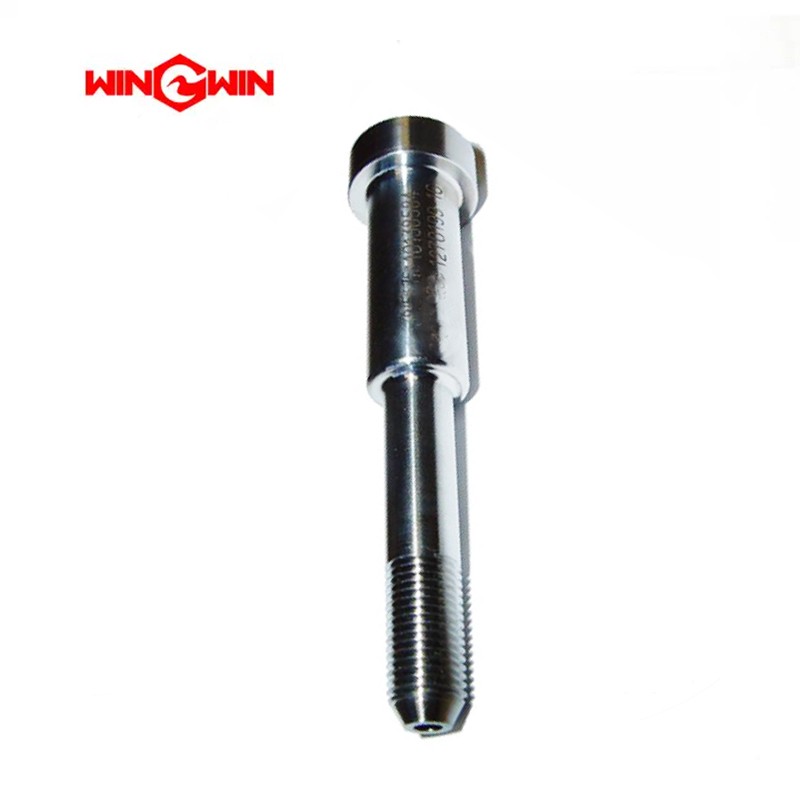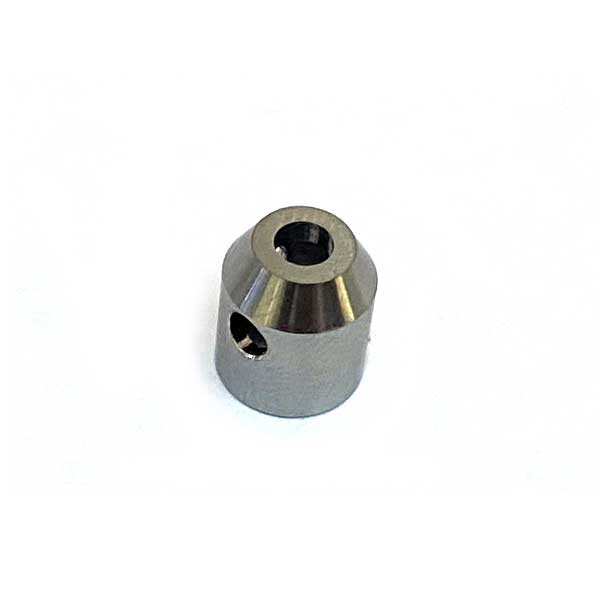
Clamping Nut / Mixing Tube Lock Nut (Part No. 303453)
Product Name: Clamping Nut / Mixing Tube Lock Nut (Part No. 303453)
Description:
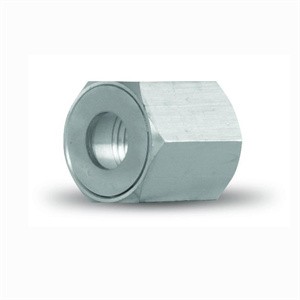
This component is a clamping nut, also known as a mixing tube lock nut or sleeve nut, specifically designed for the cutting head assembly of a waterjet cutting system. It is a precision-machined stainless steel nut that serves to secure the mixing tube (focusing tube) within the mixing chamber assembly.
The clamping nut threads onto the lower portion of the mixing chamber body. When tightened, it applies inward radial force through a collet or spring clamp, creating a uniform clamping pressure that holds the mixing tube firmly in place while maintaining perfect coaxial alignment with the water orifice. It is rated for continuous operation at 60,000 PSI (approximately 4,137 bar) and is compatible with OMAX MAXJET 5 series nozzles and standard abrasive waterjet systems.
Applications:
Secures the mixing tube (focusing tube) within the mixing chamber assembly of the waterjet cutting head
Provides uniform clamping force to hold the mixing tube in perfect alignment with the water orifice
Used in abrasive waterjet cutting systems for cutting hard materials including metal, stone, glass, and composites
Compatible with MAXJET 5 series nozzles and standard waterjet cutting head assemblies
Features:
Stainless Steel Construction: Manufactured from corrosion-resistant stainless steel for durability in waterjet environments
Precision-Machined Threads: Ensures smooth engagement with the mixing chamber body and accurate torque application
Collet Clamping Design: When tightened, it creates inward radial force to evenly clamp the mixing tube without damage
High-Pressure Rating: Engineered for continuous operation at 60,000 PSI (approximately 4,137 bar)
Lightweight: Approximately 0.022 kg for easy handling during maintenance
Direct OEM Replacement: Interchangeable with OMAX part number 303453 and AccuStream 1-13198
Maintenance:
Failure Diagnosis:
Mixing Tube Slippage: If the mixing tube moves or falls out during operation, the clamping nut is not providing sufficient clamping force
Mixing Tube Cracking: A cracked mixing tube often indicates the clamping nut was over-tightened
Difficult Removal: If the nut is seized or requires excessive force to remove, threads may be damaged or galling may have occurred
Visible Wear: During disassembly, inspect the nut threads and internal clamping surfaces for damage or wear
Inspection and Replacement Procedures:
Thread Inspection: Before reassembly, carefully inspect the clamping nut threads for signs of wear, galling, corrosion, or cross-threading. Damaged threads will not provide proper clamping force
Clamping Surface Check: Examine the internal taper or clamping surfaces for wear, deformation, or debris buildup
Torque Compliance (Critical): Tighten the clamping nut to the specific torque value listed in the equipment service manual. Over-tightening can crack the mixing tube; under-tightening will not secure the tube properly
Thread Lubrication: Apply a thin layer of high-pressure thread lubricant or anti-seize compound to threads during reassembly to prevent galling and ensure accurate torque application
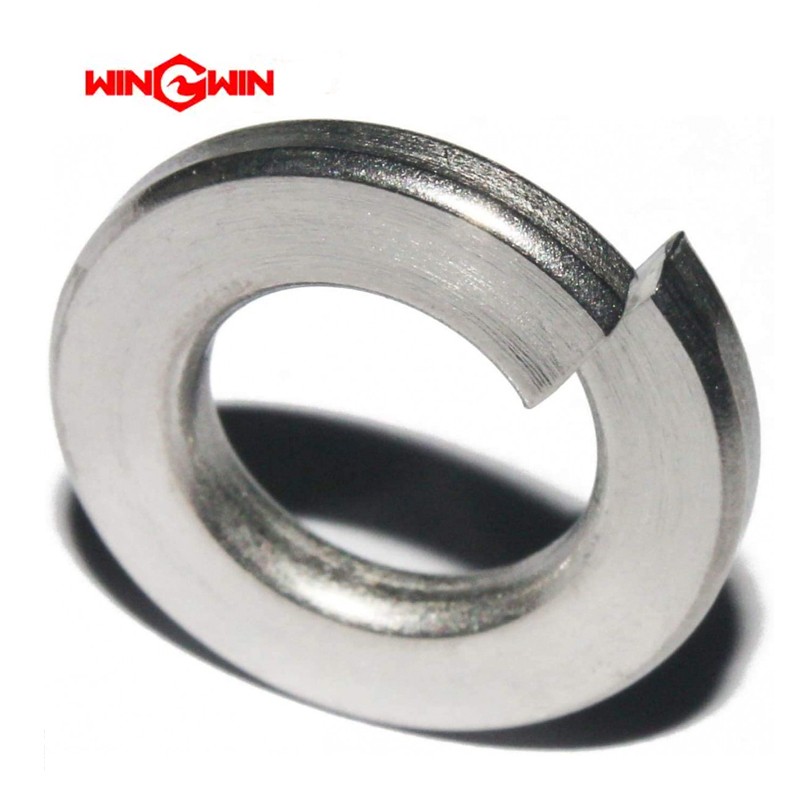
Spring Clamp Inspection: If the nut uses a separate spring clamp or collet (such as a spring夹), inspect it for deformation, cracking, or loss of elasticity. Replace if damaged
Full Depressurization: Always fully depressurize the waterjet system and follow lockout/tagout procedures before loosening or removing the clamping nut
Use Proper Tools: Use the correctly sized wrench on the nut's wrench flats. Do not use pipe wrenches or pliers that could damage the nut surfaces
Replace if Damaged: Replace the clamping nut immediately if threads are damaged, wrench flats are rounded, cracks are visible, or the internal taper is worn
Preventive Maintenance: Inspect the clamping nut during routine mixing tube changes (typically every 100-150 operating hours) for signs of wear