APW Mixing Chamber
Product Name: APW Mixing Chamber
Description:
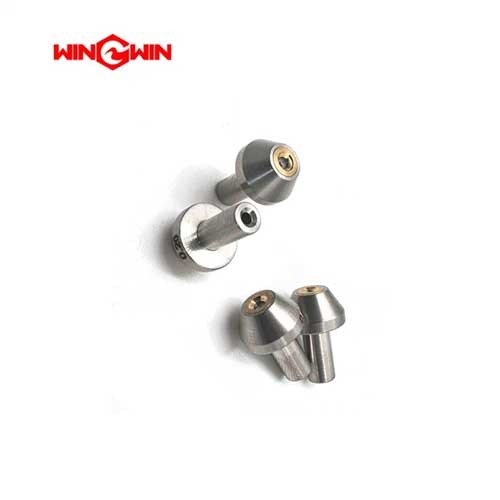
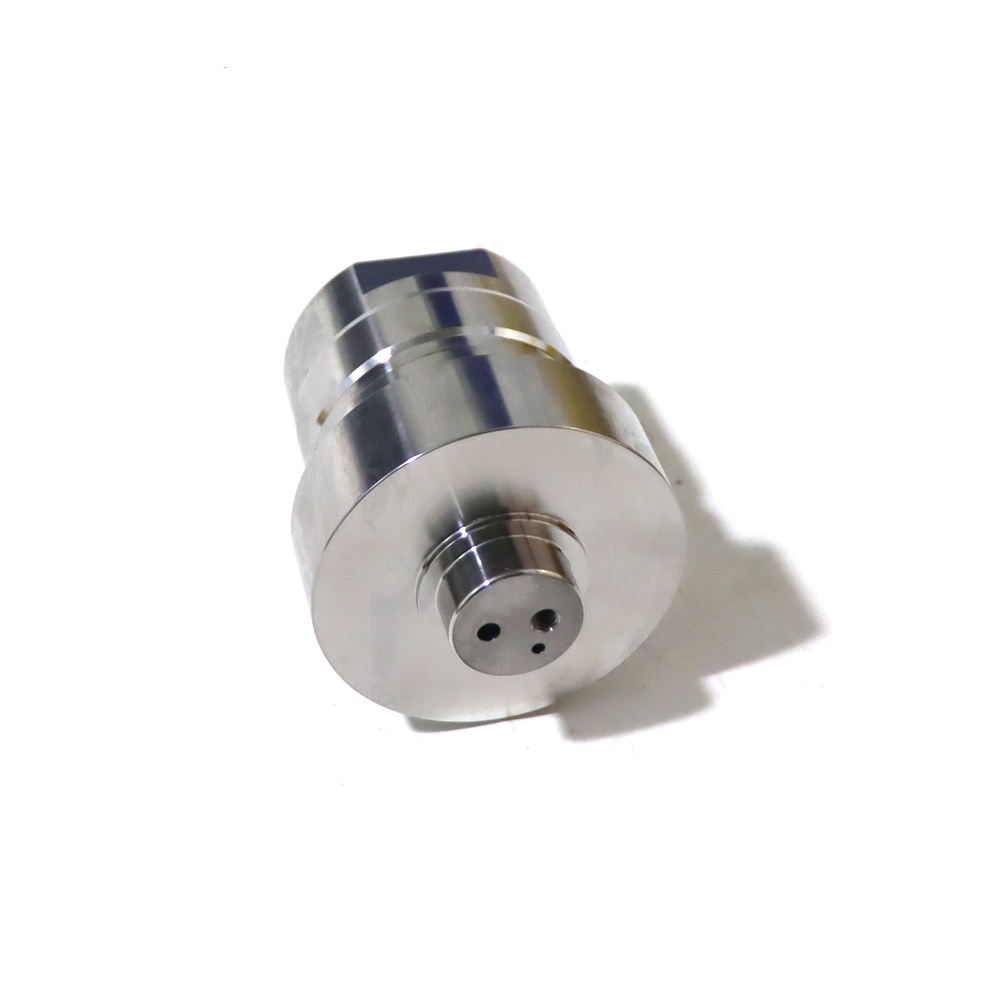
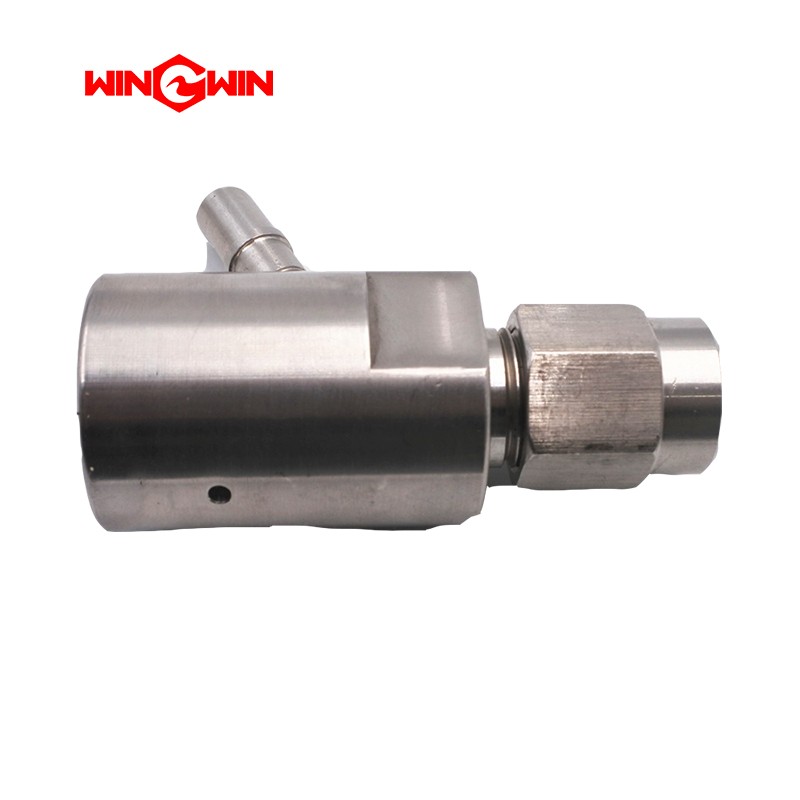
The mixing chamber is a core component of the abrasive waterjet cutting head assembly for APW waterjet cutting systems. It is a precision-machined part—typically constructed from hardened stainless steel or wear-resistant alloy—that serves as the central housing where the ultra-high-pressure waterjet and abrasive particles (such as garnet) are combined and mixed .
In abrasive waterjet cutting, high-pressure water (up to 60,000 PSI / 4,137 bar) passes through a small orifice (sapphire or diamond nozzle) to form a high-speed jet. As this jet enters the mixing chamber, it creates a vacuum (Venturi effect) that draws dry abrasive particles in through a side port. The abrasive and water mix within this chamber before the mixture is accelerated through the focusing tube (mixing tube) to form a coherent cutting stream .
Applications:
Used exclusively in abrasive waterjet cutting heads for hard material cutting
Installed between the water nozzle (orifice) and the focusing tube (mixing tube)
Suitable for cutting metal, stone, glass, ceramics, composites, and armor plate
Compatible with APW series waterjet cutting systems and standard abrasive waterjet assemblies
Features:
Venturi Effect Design: Engineered to create a localized vacuum, ensuring smooth suction and mixing of dry abrasive without requiring an external pump
Precision Geometry: Internal bore and chamber dimensions are machined to tight tolerances to ensure optimal alignment between the water orifice and focusing tube, which is critical for jet coherence
Wear-Resistant Material: Constructed from high-strength, corrosion-resistant stainless steel or hardened alloy to withstand the erosive nature of high-velocity abrasive flow
Side Abrasive Inlet Port: Features a specialized side port designed to introduce abrasive particles at an optimized angle into the waterjet stream
High-Pressure Rating: Engineered for continuous operation at 60,000 PSI (approximately 4,137 bar)
Consumable Component: The mixing chamber body is subject to wear over time and requires periodic inspection and replacement
Maintenance:
Erosion Inspection: Regularly inspect the internal bore and walls of the mixing chamber for signs of erosion, wear grooves, or diameter enlargement caused by abrasive particles. Excessive wear will degrade mixing efficiency and cut quality
Debris Cleaning: During cutting head maintenance, remove the mixing chamber and thoroughly clean any compacted abrasive debris or residual particles to prevent blockages
Component Seating: Ensure that the water nozzle, mixing chamber, and focusing tube are perfectly coaxial (aligned) during reassembly. Misalignment will lead to rapid wear of the focusing tube and poor cut quality
Seal Replacement: Always replace associated O-rings and high-pressure seals when reassembling the mixing chamber to prevent high-pressure water leaks
Abrasive Quality Check: Use clean, dry abrasive of appropriate mesh size (typically 50-80 mesh for standard cutting). Contaminated or moist abrasive will accelerate chamber wear
Full Depressurization: Always fully depressurize the waterjet system (high-pressure water and abrasive supply) and follow lockout/tagout procedures before disassembling or servicing the mixing chamber
Replacement Criteria: Replace the mixing chamber if internal bore erosion exceeds manufacturer-specified limits, if cracks are detected, or if sealing surfaces are compromised
Orifice-to-Mixing Tube Ratio: Maintain a 1:3 diameter ratio between the water orifice and focusing tube. For example, a 0.010 inch (0.25 mm) orifice should be paired with a 0.030 inch (0.76 mm) focusing tube for optimal performance