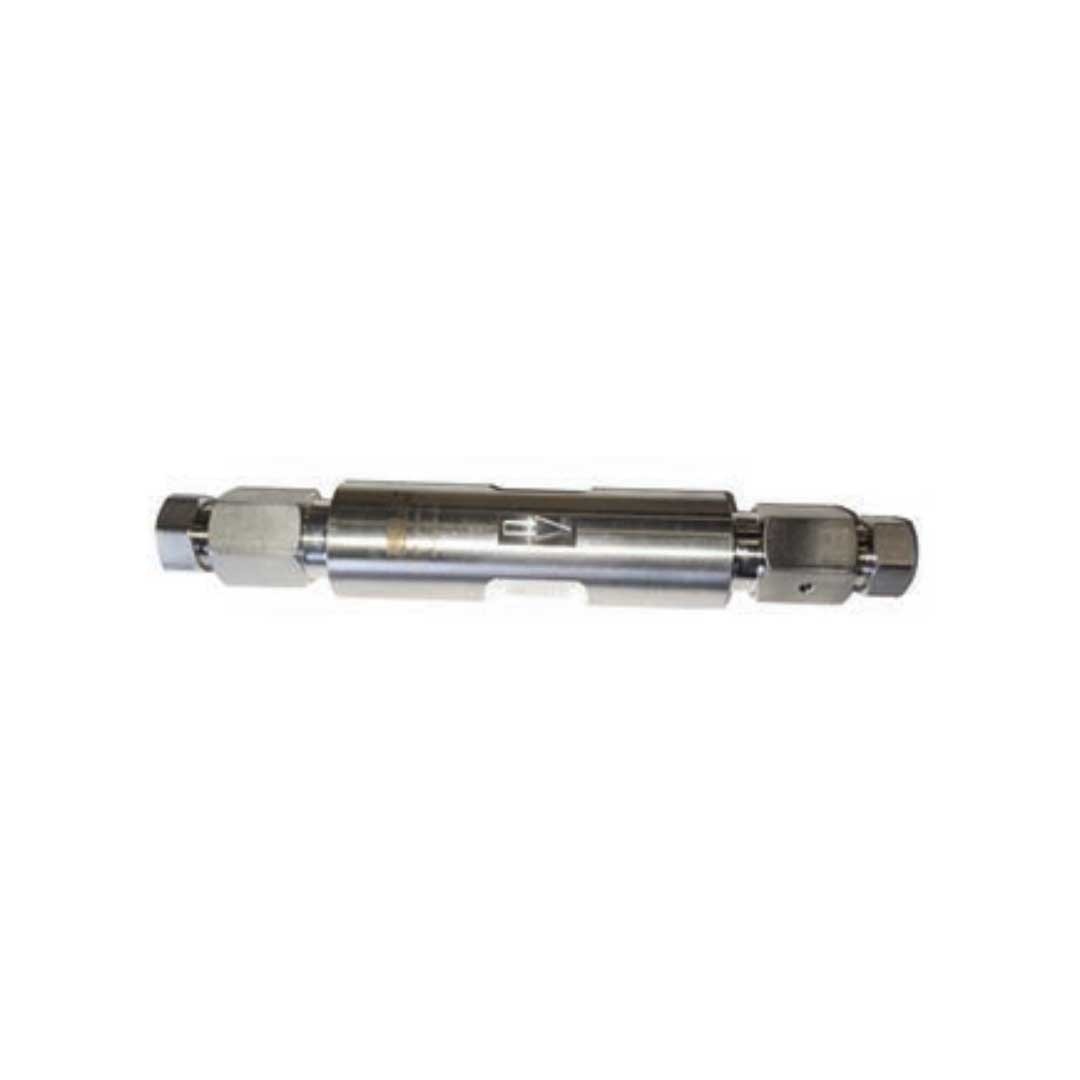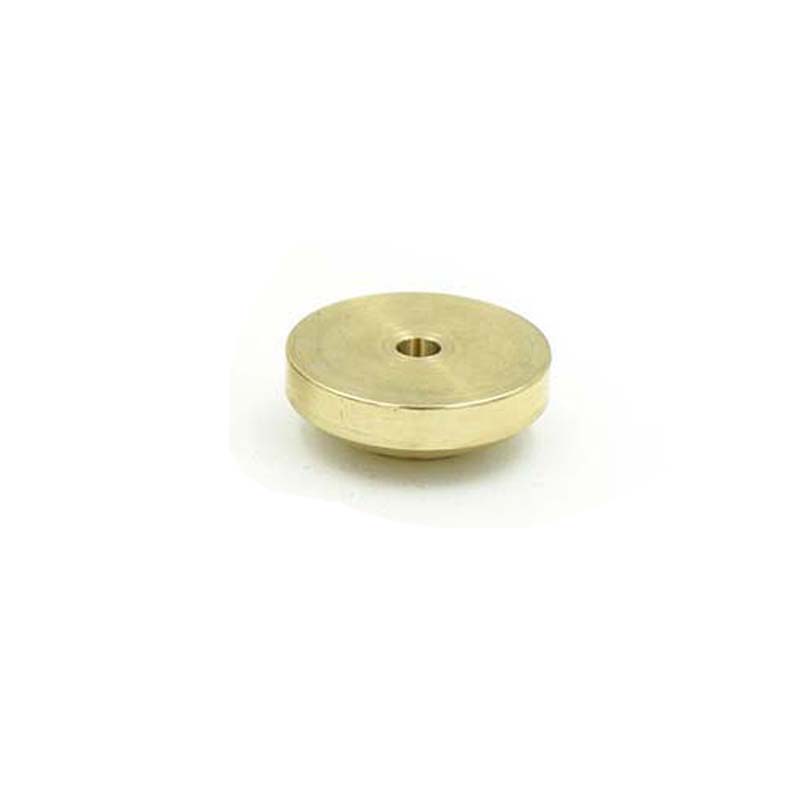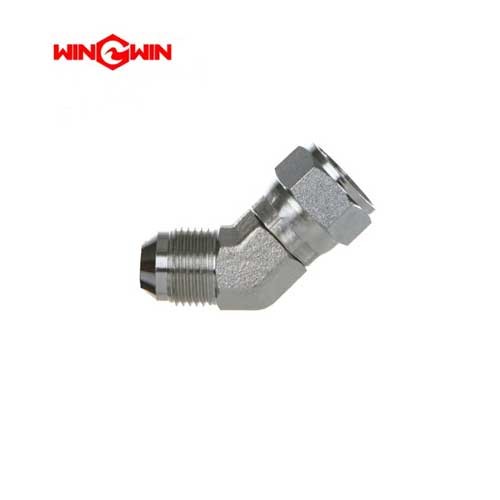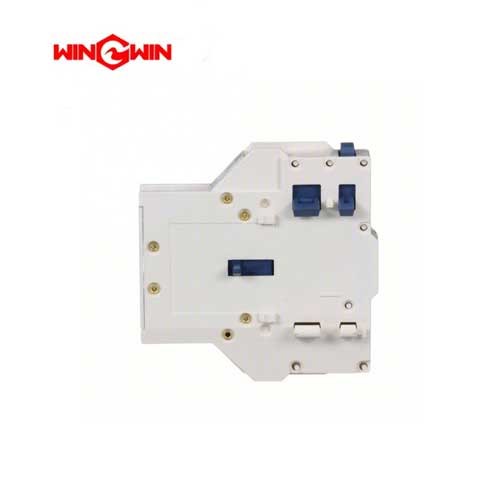
End Cap (for Waterjet Intensifier Pump)
Product Name: End Cap (for Waterjet Intensifier Pump)
Description:
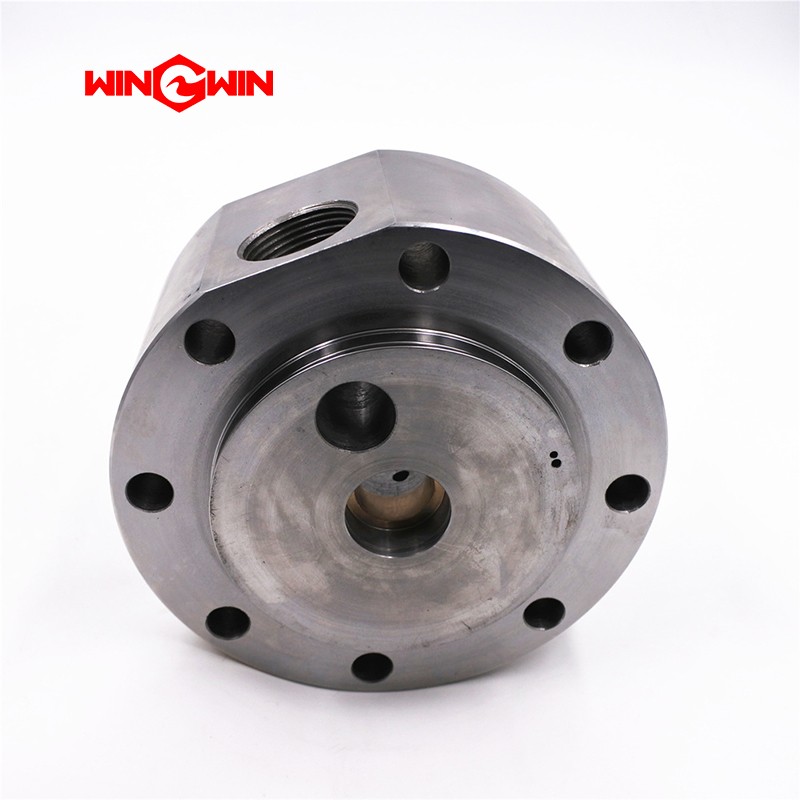
This component is an end cap, also known as a cylinder end cover or sealing head end plate, designed for high-pressure waterjet intensifier pumps. It is a precision-machined, disc-shaped or flanged component that serves as the end closure for the high-pressure cylinder, hydraulic cylinder, or sealing head assembly. The end cap seals the cylinder bore, retains internal components such as seals, plungers, and poppet valves, and provides mounting interfaces for adjacent pump components.
Applications:
Used as the end closure for the high-pressure cylinder in waterjet intensifier pumps
Installed at the hydraulic cylinder ends to retain the piston assembly and seal hydraulic fluid
Serves as the cover plate for sealing head assemblies, securing internal check valve components
Suitable for ultra-high pressure waterjet systems operating at 60,000 PSI (approximately 4,137 bar)
Compatible with APW series and standard waterjet intensifier assemblies
Features:
High-Strength Construction: Manufactured from hardened stainless steel or alloy steel to withstand extreme pressure cycling and axial loads
Precision-Machined Sealing Surfaces: Features precision-ground faces and O-ring grooves for leak-free sealing under ultra-high pressure
Threaded or Bolted Mounting: Engineered with either internal threads for screw-in installation or bolt holes for flange mounting
Corrosion-Resistant: Surface treatment provides resistance to water, hydraulic fluid, and abrasive environments
High Fatigue Resistance: Designed with advanced heat treatment to withstand millions of pressure cycles without deformation or cracking
Maintenance:
Inspection: During pump overhaul, inspect the end cap for signs of cracking, corrosion, pitting, or sealing surface damage. Pay particular attention to O-ring grooves and mounting threads or bolt holes
Seal Replacement: Always replace all O-rings, backup rings, and gaskets associated with the end cap during each service. Do not reuse old seals
Thread Care: If threaded, inspect threads for wear, galling, or damage. Apply anti-seize lubricant during reassembly to prevent galling
Torque Compliance: When reinstalling, tighten the end cap to the specific torque value listed in the equipment service manual. Use a staggered (cross) pattern for bolted caps to ensure even clamping
Full Depressurization: Always fully depressurize both the hydraulic system and the high-pressure water system before removing or servicing the end cap. Follow lockout/tagout procedures
Replacement Criteria: Replace the end cap if cracks, severe corrosion, thread damage, or sealing surface damage is detected. Do not attempt to repair a cracked or severely damaged end cap
Surface Preparation: Before installation, ensure all sealing surfaces are clean, dry, and free from debris, old sealant, or corrosion