Water Ring / High-Pressure Composite Seal (Part No. 520001558)
Product Name: Water Ring / High-Pressure Composite Seal (Part No. 520001558)
Description:
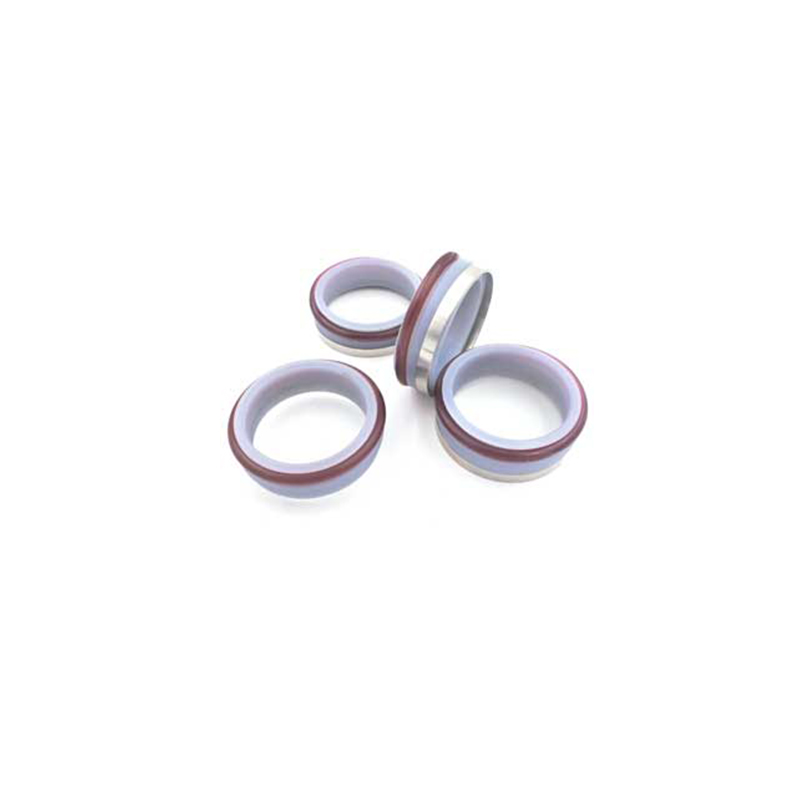
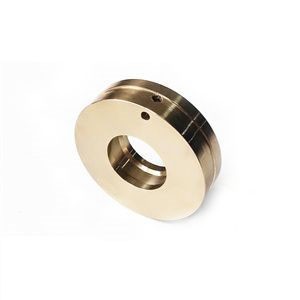
This component is a "water ring," also known as a combination water ring or high-pressure composite seal, specifically designed for the high-pressure cylinder and plunger assembly in waterjet cutting systems . It is a precision-engineered sealing component typically consisting of multiple concentric rings (often a red outer ring and a copper/bronze inner ring) . The water ring creates a critical dynamic seal between the reciprocating ceramic plunger (ceramic rod) and the high-pressure cylinder bore, preventing ultra-high-pressure water (up to 60,000–90,000 PSI / 4,137–6,200 bar) from bypassing the plunger during the compression stroke. Manufactured from advanced composite materials, it is designed for high wear resistance, excellent sealing performance, and convenient maintenance, with a typical service life of 300–1,000 hours depending on water quality and operating conditions .
Applications:
Provides the primary dynamic seal between the reciprocating ceramic plunger and the high-pressure cylinder bore
Prevents high-pressure water bypass that would cause pressure drop and reduced cutting performance
Used in the high-pressure cylinder assembly of waterjet intensifier pumps
Suitable for ultra-high pressure waterjet systems operating at 60,000–90,000 PSI (approximately 4,137–6,200 bar)
Features:
Composite Construction: Features a multi-ring design (typically red outer ring + copper/bronze inner ring) for enhanced sealing performance
High-Pressure Resistance: Engineered to withstand pressures up to 420 MPa (60,000+ PSI)
Wear-Resistant Material: Manufactured from advanced composite materials and PTFE for long service life under high-cycle operation
Critical Consumable Component: The water ring is a high-wear part designed for periodic replacement to protect the expensive cylinder and plunger
Specific Orientation Requirement: Correct installation orientation is critical—the thin side must face the equipment interior, and the red/copper rings must be properly oriented
Maintenance:
Failure Diagnosis:
External Water Leakage: Visible water dripping from the pump weep hole or around the high-pressure cylinder connection indicates water ring wear or damage
Pressure Drop: Inability to maintain rated cutting pressure is a primary indicator of water ring wear
Water Contamination in Hydraulic Oil: Milky or discolored hydraulic oil indicates high-pressure water has breached the water ring seal
Visible Wear During Disassembly: Inspect the water ring for signs of erosion, cracking, flattening, or hardening
Replacement Procedure (Critical):
Full Depressurization (Essential): Before any disassembly, fully depressurize the waterjet system, close the water supply, press the emergency stop, and follow lockout/tagout procedures. Ensure zero residual pressure remains
Ceramic Rod Positioning: Use the Hall sensor to position the ceramic rod correctly before disassembly to avoid binding
Remove Old Water Ring: Use a dedicated removal tool to extract the old water ring. Avoid scratching the high-pressure cylinder bore or damaging the ceramic rod surface
Thorough Cleaning: Clean the installation area completely with compressed air. Ensure no debris, mineral deposits, or abrasive particles remain. For precision cleaning, wipe with clean fuel to ensure no dust or grit remains
Orientation Check (Critical): New water rings have a thick side and a thin side. The thin side must face the equipment interior. Push it flat to the bottom until fully seated, ensuring it is parallel to the mounting surface with no protrusion or tilting
Lubrication: Apply a small amount of high-pressure grease or hydraulic oil to the new water ring during installation to prevent dry start-up and reduce initial friction
Reassembly: Align and manually thread the outer components to avoid cross-threading. Tighten the retaining nut hand-tight, then secure with a wrench, taking care not to overtighten and damage the fine threads (especially on older equipment)
Always Replace as a Set: When replacing the water ring, it is recommended to replace all associated high-pressure seals simultaneously
Associated Component Inspection: When replacing the water ring, thoroughly inspect the ceramic plunger surface for scoring, scratching, or diameter reduction, and inspect the high-pressure cylinder bore for pitting, scoring, or out-of-round wear. A damaged plunger or cylinder will rapidly destroy a new water ring
Testing Procedure:
Post-Installation Test: After reassembly, slowly pressurize the system and monitor the water ring area for leaks for at least 10 seconds. If no leaks are observed and the cutting jet performs normally, the replacement is successful
Water Quality Impact:
Poor water quality with contaminants, high hardness, or inadequate filtration accelerates water ring wear. Maintain proper water filtration to maximize service life