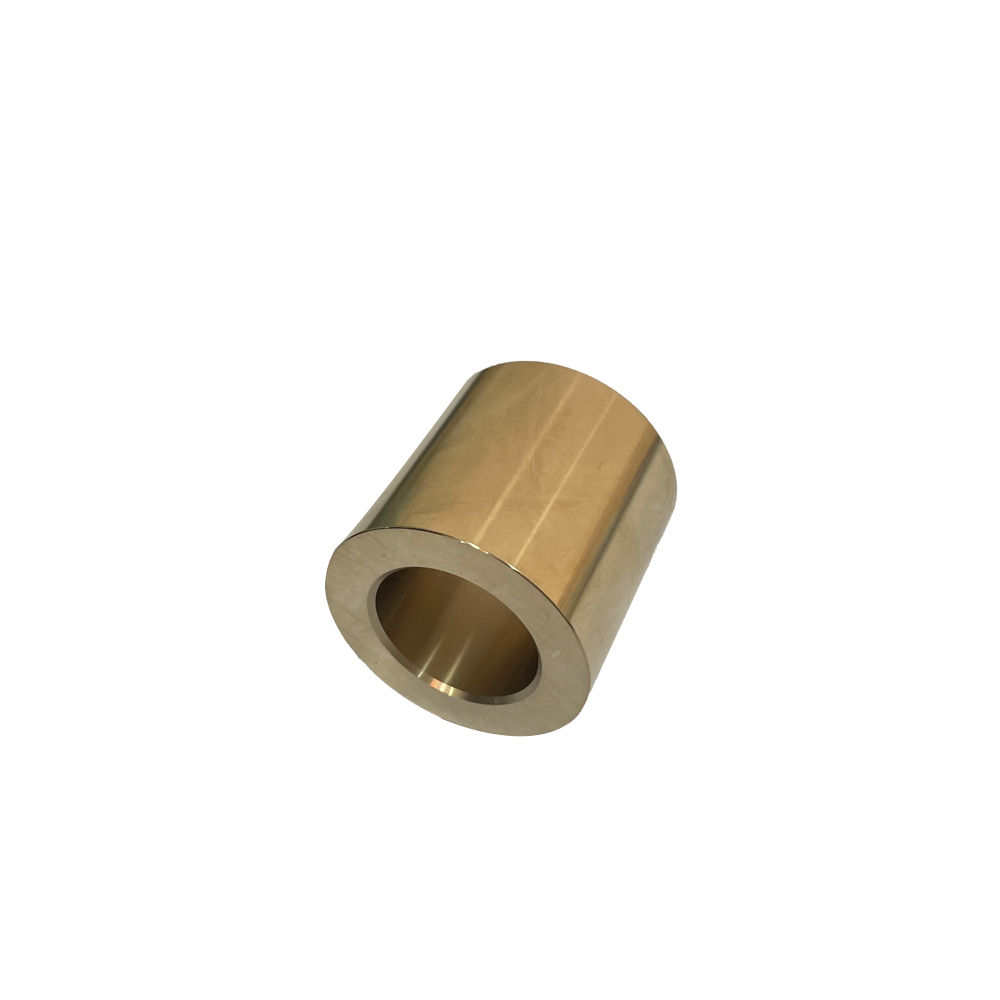
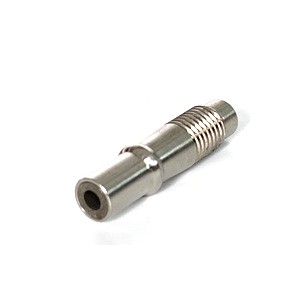
Abrasive Inlet Tube / Feed Line (Part No. 510000552)
Product Name: Abrasive Inlet Tube / Feed Line (Part No. 510000552)
Description:
This component is an abrasive inlet tube or abrasive feed line, specifically designed to transport garnet abrasive from the abrasive metering system (sand valve) to the mixing chamber of the waterjet cutting head. It is a flexible or semi-rigid conduit manufactured from wear-resistant materials such as polyurethane or reinforced rubber to withstand the erosive nature of high-velocity abrasive particles flowing through it. The tube connects the outlet of the abrasive regulator to the side port of the cutting head assembly, where the Venturi effect created by the high-pressure waterjet draws abrasive into the mixing chamber for cutting hard materials.
Applications:
Conveys garnet abrasive from the abrasive control valve (sand valve) to the cutting head mixing chamber
Forms the critical link in the abrasive delivery path for abrasive waterjet cutting systems
Suitable for ultra-high pressure waterjet systems operating at 60,000–90,000 PSI (approximately 4,137–6,200 bar)
Essential for cutting hard materials including metal, stone, glass, ceramics, and composites
Features:
Abrasion-Resistant Material: Manufactured from durable polyurethane, rubber, or reinforced plastic to resist internal wear from high-velocity abrasive flow
Flexible Construction: Allows routing from the fixed abrasive valve to the moving cutting head assembly without kinking or flow restriction
Smooth Internal Bore: Precision-sized internal diameter ensures consistent abrasive flow and prevents clogging
Standard Fittings: Features precision-machined end connectors for secure attachment to sand valve outlet and cutting head inlet ports
Consumable Component: Subject to wear from continuous abrasive flow; requires periodic inspection and replacement
Chemical Resistance: Resists degradation from moisture and water treatment additives
Maintenance:
Common Issues:
Abrasive Flow Interruption: If abrasive stops flowing during cutting, the tube may be clogged with compacted abrasive dust, foreign objects, or moisture-dampened abrasive
External Abrasive Leakage: Visible abrasive particles escaping from the tube or connections indicates wear holes or loose fittings
Cracking or Hardening: Prolonged use can cause the tube material to harden, crack, or lose flexibility, leading to reduced abrasive flow efficiency or complete failure
Inspection and Testing:
Visual Inspection: Periodically check the entire length of the tube for signs of abrasion, cracking, bulging, or pinching. Pay particular attention to areas where the tube bends or contacts machine components
Flow Verification: Monitor abrasive flow during operation; inconsistent or interrupted flow indicates potential tube blockage or wear
Moisture Check: Moisture in the abrasive can cause clogging; ensure the tube interior remains dry
Clearing Blockages:
Compressed Air Method: Remove the tube and use compressed air (0.3–0.5 MPa) to blow through from the sand valve end toward the cutting head end to dislodge debris
Do Not Use Metal Tools: Avoid inserting metal objects into the tube that could damage the internal bore surface
Replace If Blocked: If blockages cannot be cleared with compressed air, replace the tube immediately
Replacement Procedures:
Replacement Indicators: Replace the abrasive inlet tube immediately if any of the following are detected:
Abrasive leakage at connections or through the tube wall
Repeated blockages that cannot be cleared with compressed air
Loss of flexibility or hardening of the tube material
Visible scoring or wear on the internal bore surface
Preventive Replacement: Keep spare abrasive inlet tubes in stock to avoid unplanned downtime while waiting for parts to ship
Clean Installation: Ensure the sand valve outlet and cutting head inlet ports are clean before installing a new tube. Remove all debris and old seal residue
Proper Seating: Verify the tube fittings are fully seated and securely tightened to manufacturer specifications. Do not overtighten, as this may damage the fitting threads or tube end
Full Depressurization: Before disconnecting or replacing the abrasive inlet tube, fully depressurize the waterjet system and shut off the abrasive supply. Follow lockout/tagout procedures
Additional Considerations:
Water Quality Impact: Poor water quality with contaminants can cause backflow moisture, leading to abrasive clogs; maintain proper water filtration
Abrasive Quality: Use clean, dry garnet abrasive; damp or contaminated abrasive will cause tube clogging and accelerate wear
Storage: Store spare abrasive inlet tubes in a clean, dry environment away from direct sunlight, ozone sources, and chemicals to prevent material degradation