
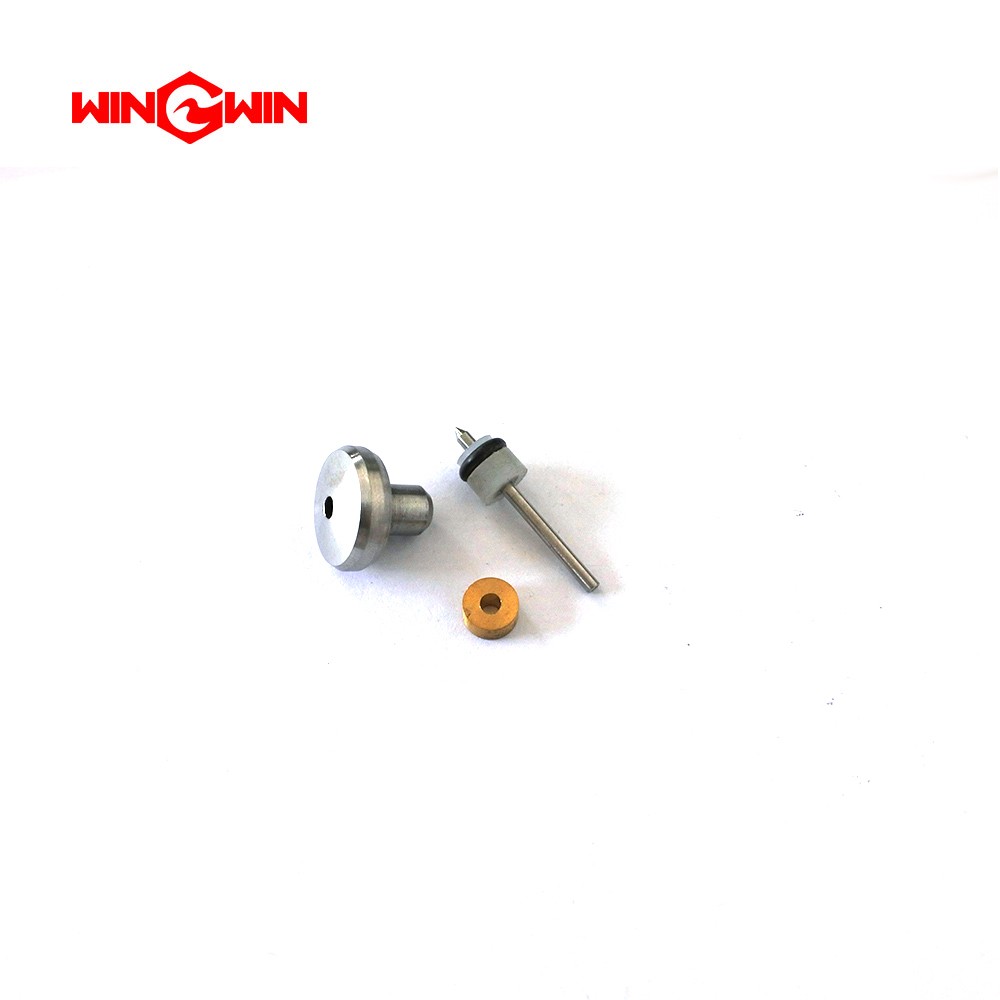
High-Pressure Water Seal
Product Name: High-Pressure Water Seal
Description:
This component is a high-pressure dynamic or static seal, also known as a water seal or rod seal, specifically designed for waterjet cutting systems. It is a precision-engineered sealing component that prevents ultra-high-pressure water from leaking past the reciprocating plunger or at static interfaces within the intensifier pump and cutting head assembly. The seal is manufactured from advanced wear-resistant materials such as polyurethane, PTFE, or high-durometer elastomers to withstand extreme pressure cycling and high-velocity water flow. It is rated for continuous operation at 60,000–90,000 PSI (approximately 4,137–6,200 bar).
Applications:
Provides dynamic sealing around the reciprocating ceramic plunger within the high-pressure cylinder
Seals static interfaces such as cylinder head connections, check valve assemblies, and fitting connections
Prevents high-pressure water bypass that leads to pressure drop and reduced cutting performance
Suitable for both pure water and abrasive waterjet systems
Features:
Ultra-High Pressure Rating: Engineered for continuous operation at 60,000–90,000 PSI without extrusion failure
Wear-Resistant Material: Manufactured from polyurethane, PTFE, or high-grade elastomers for long service life under high-cycle conditions
Low Friction Design: Precision-machined sealing surfaces minimize friction on the reciprocating plunger
Anti-Extrusion Backup Rings: Includes rigid backup rings that prevent seal deformation under extreme pressure spikes
Chemical Compatibility: Resistant to water, hydraulic fluids, and water treatment additives
Maintenance:
Performance Monitoring: Replace the water seal when symptoms appear: drop in cutting pressure, visible water leakage from pump weep holes, increased pump cycling frequency, or water contamination in hydraulic oil
Expected Service Life: Under normal operating conditions with proper water quality, seals typically require replacement every 500–1,000 operating hours
Preventive Replacement: Replace seals as part of scheduled preventive maintenance rather than waiting for failure to avoid unplanned downtime
Inspect Associated Components: When replacing seals, inspect the ceramic plunger surface for scratching, scoring, or wear. A damaged plunger will rapidly destroy new seals. Also inspect the cylinder bore for pitting or scoring
Clean Installation: Perform seal replacement in a clean area. Wear gloves to prevent introducing oils, debris, or abrasive particles to new seals
Lubrication: Apply manufacturer-recommended high-pressure grease to seals during installation to prevent dry startup and ensure proper seating
Full Depressurization: Always fully depressurize the waterjet system and follow lockout/tagout procedures before replacing seals
Water Quality Impact: Poor water quality with contaminants accelerates seal wear. Maintain proper water filtration and treatment
Use Proper Tools: Use manufacturer-specified seal removal and installation tools to avoid damaging the cylinder bore or new seals
Product recommendation
-
400008-3-Adapter-HP-38”M-x-916”F
-
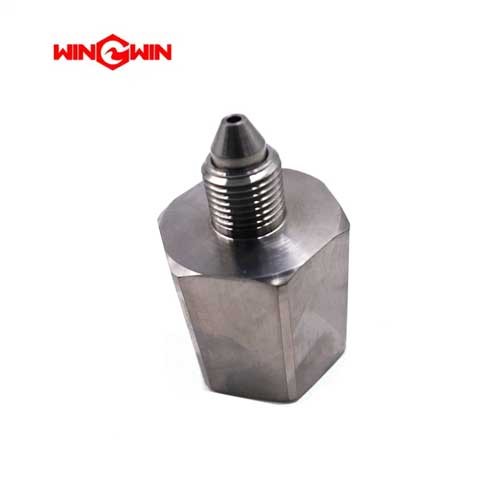
10079424 HP Bushing, .56 x .25, F/M Water Jet Parts
-
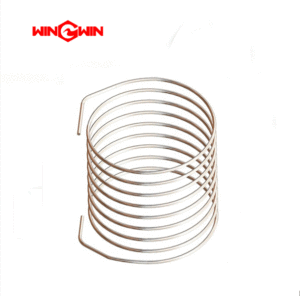
Waterjet Parts Coil 103262 Coil Axis 4 5 6 top ABB M98 2400 10
-
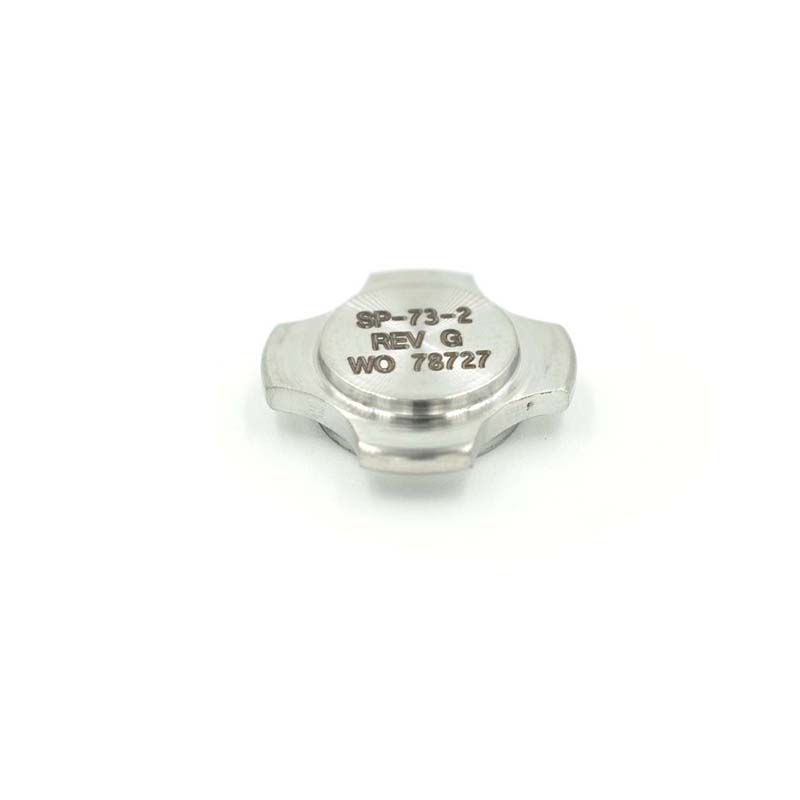
SP-73-2 Check Valve Poppet
-
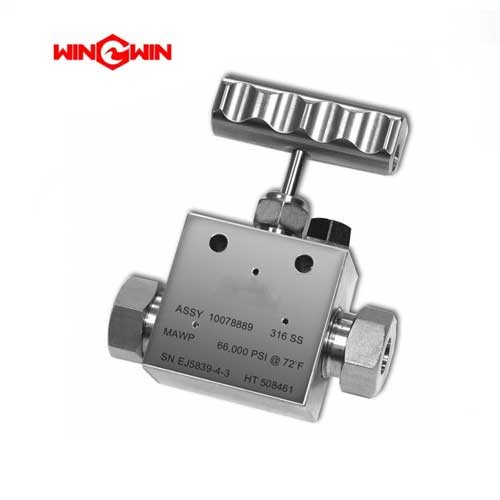
10078889 High Pressure Fitting and Valve Assemblies 2 Way Straight, .56
-
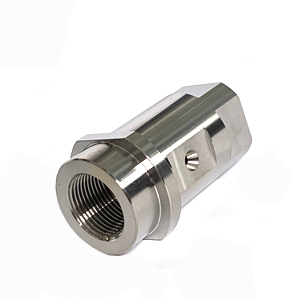
Water On/Off Valve Body (Part No. 520001555)
-
Waterjet parts Coil 104757 Coil Fanuc line 4
