High Pressure Valve Pad / Insert Poppet (Part No. 510000351)
Product Name: High Pressure Valve Pad / Insert Poppet (Part No. 510000351)
Description:
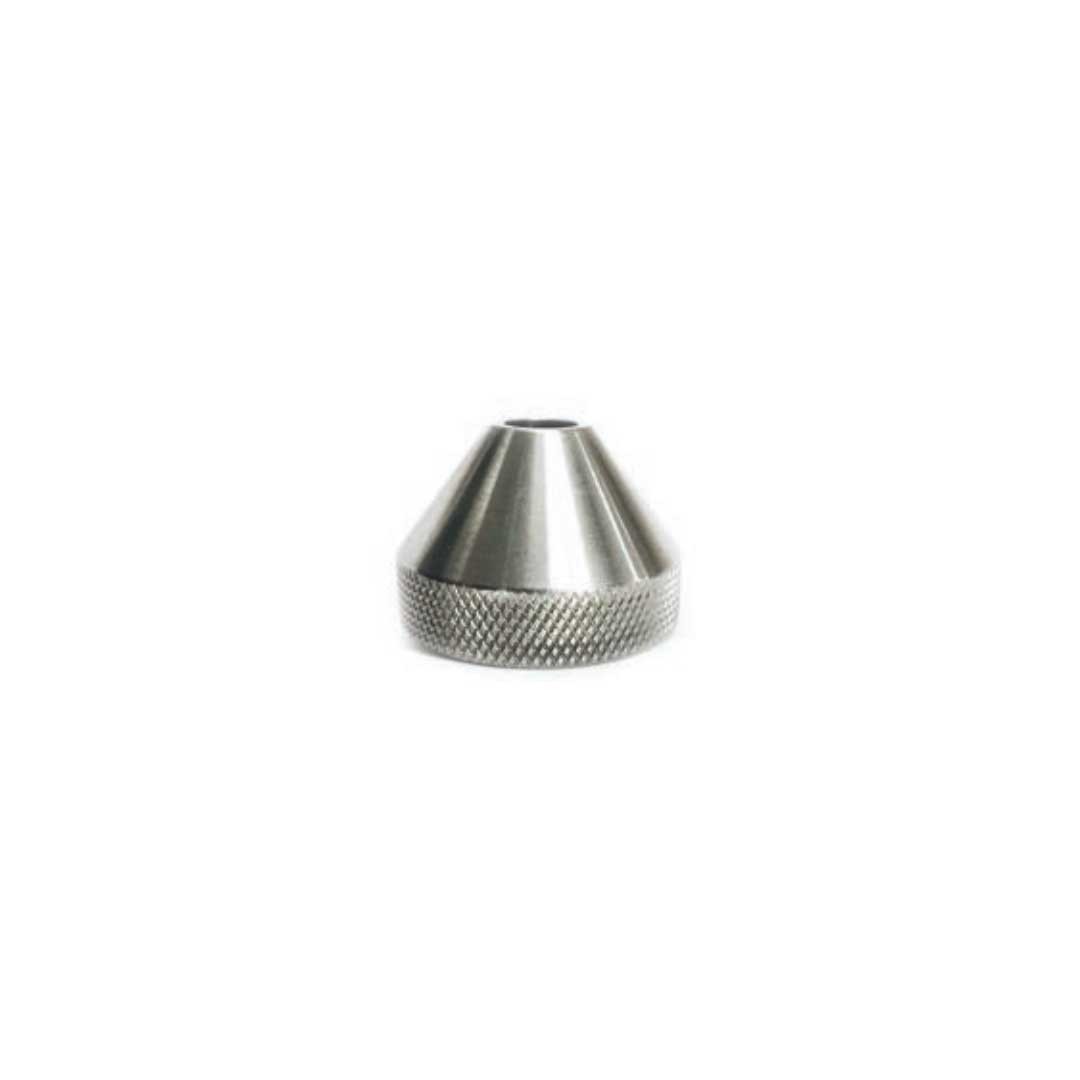
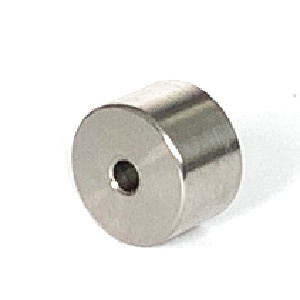
This component is a high pressure valve pad, also known as an insert poppet or high-pressure valve seat insert, specifically designed for the check valve or on/off valve assembly in waterjet cutting systems . It is a precision-machined, disc or plug-shaped sealing component that serves as the stationary or moving sealing surface within the high-pressure water circuit of the intensifier pump . This "insert" is a critical consumable part that works with the valve poppet or ball to create a leak-tight, one-way seal, controlling the flow of ultra-high-pressure water . It is rated for continuous operation at 60,000–90,000 PSI (approximately 4,137–6,200 bar).
Applications:
Used as the primary sealing component within the high-pressure check valve assembly of waterjet intensifier pumps
Installed in the valve body (高压阀体) of the on/off valve (water switch) assembly
Provides a sealing interface for the valve stem or ball to close against, controlling water flow to the cutting head
Suitable for ultra-high pressure waterjet systems operating at 60,000–90,000 PSI
Identified as a Dardi waterjet spare part (Saddle 510000351)
Features:
Precision-Ground Sealing Surface: Machined to exact specifications for leak-tight shut-off when mated with the corresponding poppet or ball
Hardened Material Construction: Manufactured from wear-resistant, hardened stainless steel or alloy to withstand repeated impact and high-velocity water flow
Critical Consumable Component: The valve pad/insert is a high-wear consumable part designed to protect the more expensive valve body from damage
High-Pressure Rating: Engineered for continuous operation at 60,000–90,000 PSI without deformation or failure
Corrosion-Resistant: Treated to withstand water exposure and water treatment additives
Maintenance:
Failure Diagnosis:
Water Leakage from Cutting Head: If the cutting head drips water when the valve is supposed to be "OFF," the high pressure valve pad (insert) is likely worn or damaged
Pressure Drop: Inability to maintain rated cutting pressure may indicate a worn or pitted sealing surface on the valve pad
Performance Degradation: Reduced cutting efficiency or inconsistent performance suggests valve pad wear
Replacement Procedures:
Critical Replacement Indicator: If water drips from the mixing tube outlet when the water switch is closed, the high pressure valve pad (insert) must be replaced immediately
Simultaneous Replacement: When replacing the valve pad, always replace the corresponding valve poppet (阀芯) and seal ring (密封圈) simultaneously for optimal sealing performance
Inspection: During valve overhaul, inspect the valve pad sealing surface for pitting, erosion, cracking, or indentation. Even minor surface damage warrants replacement
Clean Installation: Ensure the valve body cavity and sealing surfaces are surgically clean before installing new components. Contamination is a leading cause of premature seal failure
Surface Preparation: Clean sealing surfaces thoroughly with a soft cloth and compatible solvent. Remove all debris, old seal residue, and mineral deposits
Proper Seating: Ensure the valve pad is correctly seated in its groove without tilting or misalignment before reassembly
Lubrication: Apply a light coating of high-pressure grease to sealing surfaces during installation to prevent dry start-up and ensure proper seating
Torque Compliance: When reassembling, tighten all retaining components to the specific torque values listed in the equipment service manual. Over-tightening may damage the valve pad or valve body
Full Depressurization: Always fully depressurize the waterjet system and follow lockout/tagout procedures before replacing the valve pad
Water Quality Impact: Poor water quality with contaminants accelerates wear on the valve pad and mating components. Maintain proper water filtration and treatment