Hex-Nut-Intensifier-Assembly-20460489
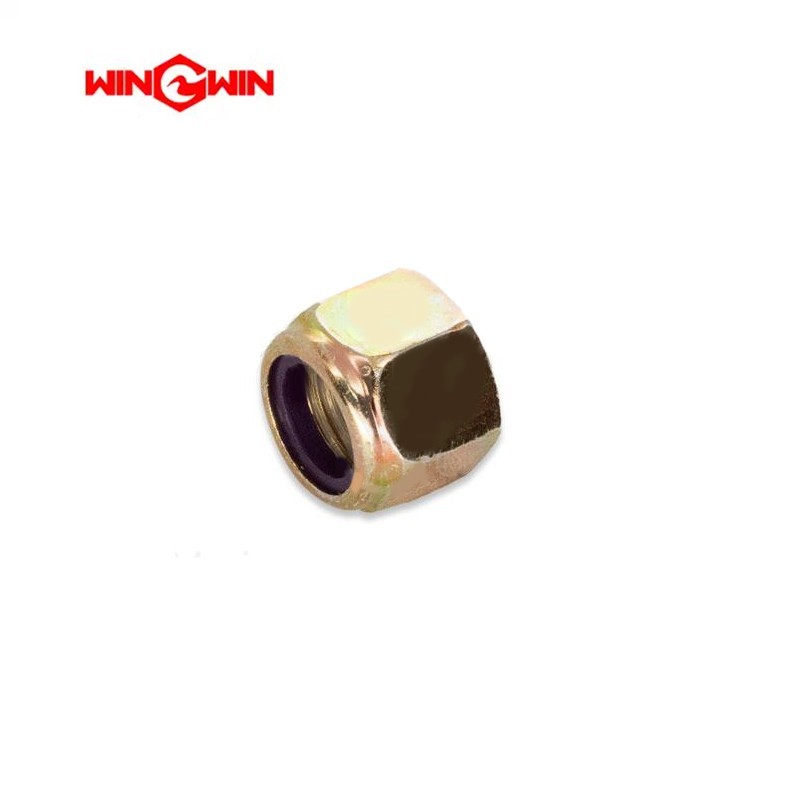
Product Name: Hex Nut (Intensifier Assembly Tie Rod Nut) – Part No. 20460489
Description:
This component is a heavy-duty hex nut, specifically engineered as a critical structural fastener for the intensifier pump assembly in high-pressure waterjet cutting systems . It is designed to secure the long tie rods that compress and hold the entire intensifier stack together, including the end bells, hydraulic cylinder, and high-pressure cylinder.
The hex nut is used in conjunction with tie rods (such as P/N 20458191) to apply and maintain the precise clamping force required to keep the intensifier assembly rigid under extreme pressure cycling up to 60,000 PSI (approximately 4,137 bar). It is typically manufactured from high-strength, heat-treated alloy steel or stainless steel, ensuring it withstands heavy preload and resists loosening due to vibration .
As a structural fastening component, this hex nut is not a high-wear consumable, but its threads are subject to stress and must be kept clean and undamaged to maintain proper torque.
Applications:
Secures the tie rods that clamp together the complete intensifier pump assembly (End Bells, Hydraulic Cylinder, and High-Pressure Cylinder) .
Maintains the structural rigidity of the pump stack under high hydraulic and water pressure.
Used during major pump overhauls, seal replacements, and complete intensifier rebuilds.
Compatible with KMT, H2O Jet, and other standard waterjet intensifier systems .
Features:
High-Strength Construction: Manufactured from heat-treated alloy steel or stainless steel to withstand high clamping loads without thread deformation.
Precision Threads: Machined to exacting tolerances for a secure fit on the intensifier tie rods.
Heavy-Duty Design: Built to resist loosening under the intense vibration of continuous pump cycling.
OEM Compatibility: Direct replacement part identified in KMT intensifier parts diagrams .
Maintenance:
Failure Diagnosis & Inspection:
Thread Damage: Stripped, galled, or corroded threads prevent proper torque application and require immediate replacement.
Difficult Assembly: If the nut requires excessive force or feels gritty during threading, threads may be damaged.
Visual Wear: Inspect for cracking, rounding of the hex flats, or signs of previous overtightening.
Loose Connections: If the nut becomes loose during operation, it indicates improper torque or thread wear.
Inspection and Replacement Guidelines:
Full Depressurization (Critical): Before any maintenance, place the main electrical disconnect in the OFF position, bleed down all high-pressure lines, and follow lockout/tagout procedures.
Reassembly Alignment: An intensifier assembly fixture must be used to square the End Bells with each other before tightening . If End Bells are assembled out of alignment, oil manifold leakage and breakage may occur.
Torque Compliance: Tighten the hex nut to the specific torque value listed in the equipment service manual (e.g., 160 Nm / 120 ft-lbs) using a calibrated torque wrench. Use a crossing (staggered) pattern to ensure even clamp load distribution.
Thread Lubrication: Apply a thin layer of high-pressure anti-seize lubricant to the tie rod threads during reassembly to prevent galling and ensure accurate torque application.
Reuse Policy: While durable, it is best practice to replace hex nuts during major overhauls if thread wear is suspected, or if the nut was previously over-torqued.
Cross-Reference Part Numbers: This hex nut is listed as Item 6 in the intensifier assembly diagram, securing tie rods (20458191) to the End Bells (20458299, 20458302) .