End-Bell-Bushing-100020-3
Product Name: End Bell Bushing / Hydraulic Cylinder End Cap (Part No. 100020-3)
Description:
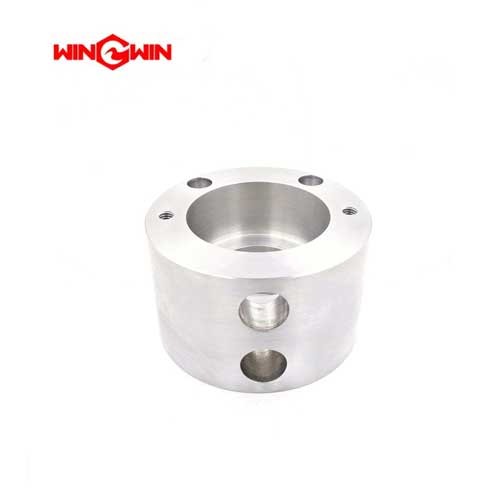
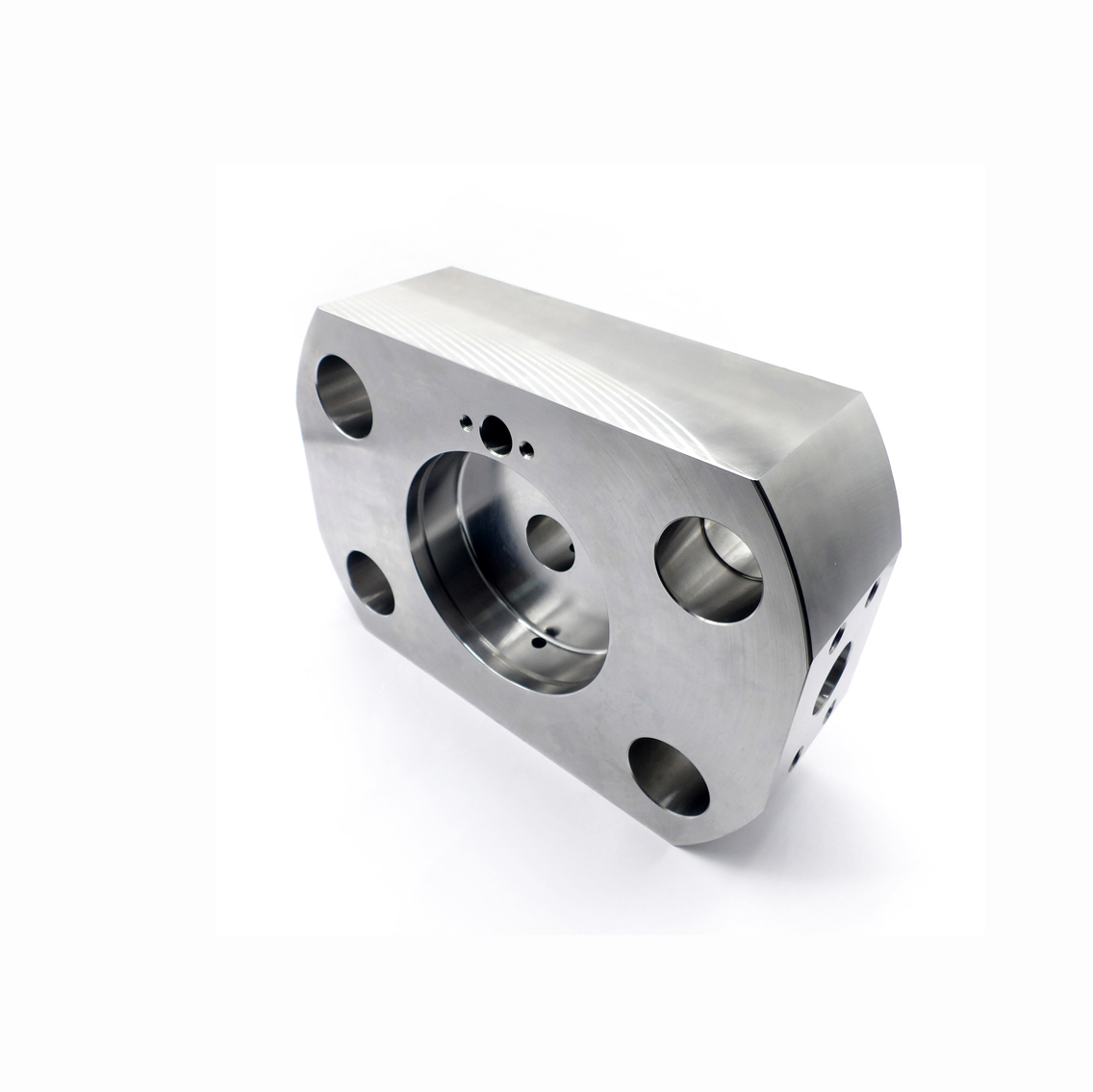
This component is an end bell bushing, also referred to as an end cap or support flange . It is a precision-machined, heavy-duty component that serves as the hydraulic cylinder end cap on one side of a waterjet intensifier pump assembly .
As a critical part of the pump's hydraulic end, the end bell houses and supports the reciprocating piston assembly, oil seals, and bearings . Its primary function is to provide a rigid, leak-proof closure for the hydraulic circuit while ensuring precise axial alignment of the plunger—essential for generating the ultra-high pressure water required for cutting . This component works with an opposite-side end bell to seal the hydraulic cylinder, with both ends secured by heavy-duty tie rods .
Applications:
Closes and seals the hydraulic cylinder assembly on one side of the waterjet intensifier pump
Houses and protects the low-pressure hydraulic seals, bearings, and spacer rings
Provides mounting interface for the hydraulic manifold, directional shift valve, and pressure sensors
Suitable for 60,000 PSI (approximately 4,137 bar) and higher waterjet systems
Compatible with H2O Jet, KMT, AccuStream, and Flow waterjet intensifier systems
Features:
High-Strength Material: Manufactured from high-grade, fatigue-resistant material (typically cast iron or steel) to withstand extreme hydraulic pressures and millions of pressure cycles
Precision Bores: Contains precisely machined internal cavities for housing oil seals and ensuring concentric alignment of the piston rod
Sealing Integrity: Works with low-pressure seal kits to prevent hydraulic oil leakage from the pump assembly
Structural Component: Serves as a key structural element in the intensifier stack, connecting to the high-pressure cylinder and end cap via tie rods
Component of Intensifier Assembly: Listed as a core component in intensifier parts diagrams alongside tie rods, high-pressure cylinders, and plungers
Maintenance:
Failure Diagnosis (When to Inspect/Replace):
External Hydraulic Leakage: Visible oil weeping from the end bell joints or sensor ports indicates seal or gasket failure, requiring disassembly
Alignment Issues: If the intensifier is difficult to reassemble or the oil manifold shows signs of stress, the end bells may be warped
Bore Damage: During maintenance, inspect the internal bore for scoring, pitting, or wear that could compromise seal performance
Thread Condition: Check the tie rod threads for galling or damage; damaged threads cannot maintain proper clamping force
Inspection and Replacement Procedures:
Full Depressurization (Critical) : Before any maintenance, place the main electrical disconnect in the OFF position, bleed down all high-pressure water lines, fully depressurize the hydraulic system, and follow lockout/tagout procedures.
Remove the End Cap and High Pressure Cylinder from the intensifier stack
Remove the tie rod nuts and tie rods retaining the end bell
Remove the end bell from the hydraulic cylinder assembly
Remove internal components: snap ring, spacer, and low-pressure oil seals
Use Alignment Fixture: An intensifier assembly fixture is required to square the end bells with each other. If end bells are assembled out of alignment, oil manifold leakage and breakage may occur
Low Pressure Seal Kit: When reassembling, always replace the low-pressure hydraulic seals with a new rebuild kit (e.g., P/N 20458797)
Lubrication: Apply food-grade grease or high-pressure grease to new seals during installation to prevent dry start-up and ensure proper seating
Torque Compliance: Tighten tie rod nuts in a crossing (staggered) pattern to the specific torque values listed in the equipment service manual (e.g., 160 Nm / 120 ft-lbs)
Sensor Installation: Remember to install and tighten proximity switches (sensors); failure to do so will result in considerable spraying of hydraulic oil
Replacement Criteria: Replace the end bell bushing if cracks are visible, the housing is severely corroded, the internal bore is worn beyond specifications, or the tie rod threads are stripped or damaged. Do not attempt to repair a cracked or warped end bell—replace it entirely.
Cross-Reference Information:
H2O Jet / KMT #: 100020-3
Works with opposite side End Bell (e.g., P/N 20458299 or 20458302)
Interchangeable with various OEM end bell configurations