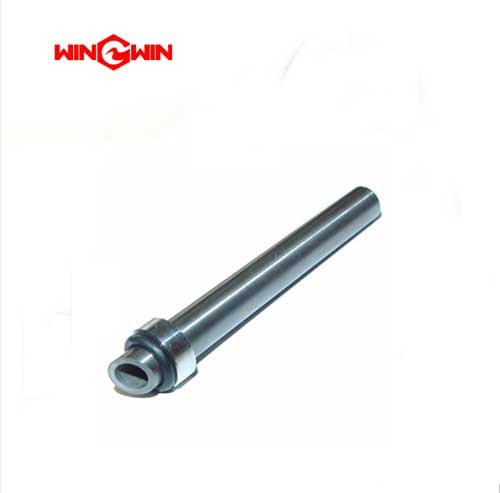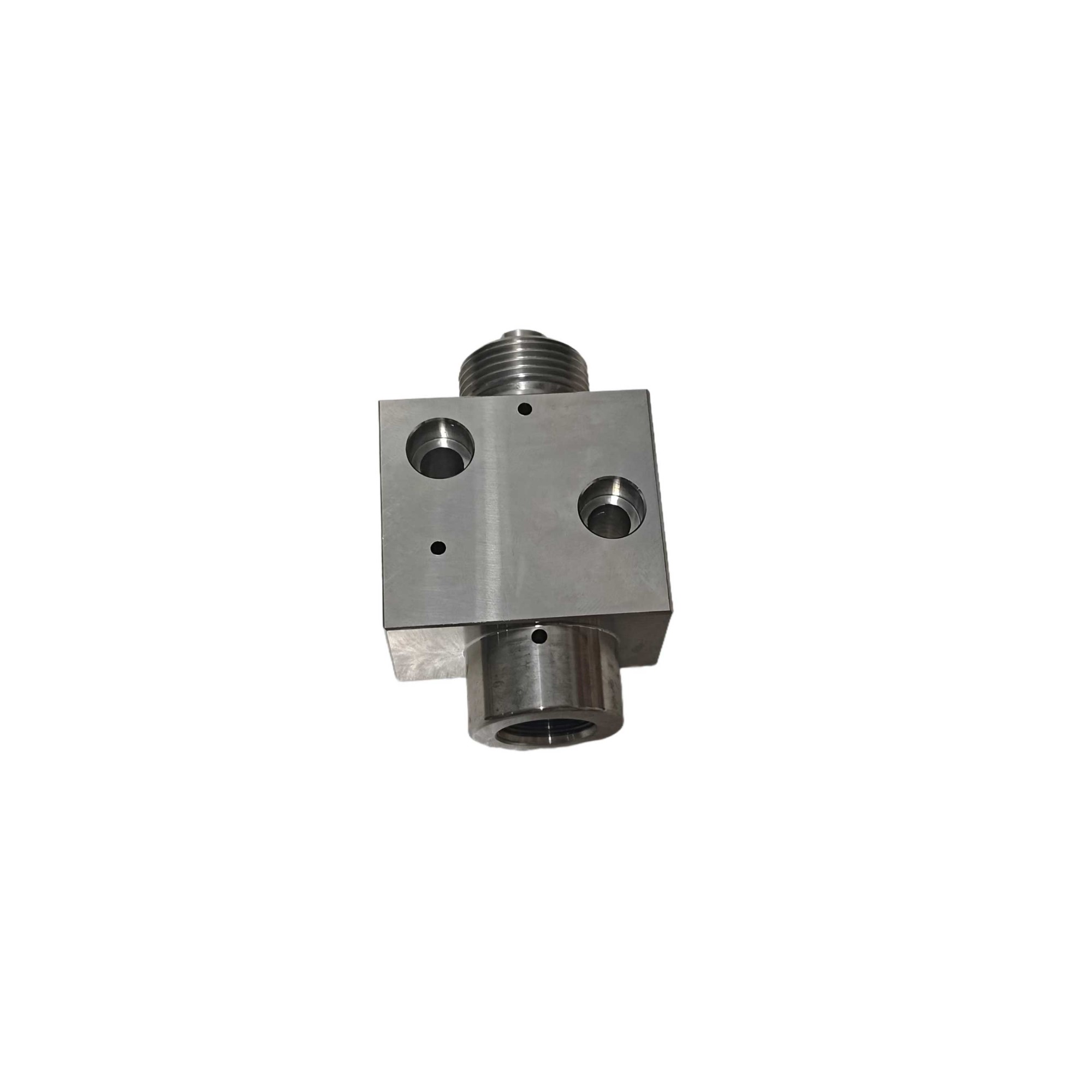
HP Cylinder / High Pressure Cylinder (Part No. 510000389)
Product Name: HP Cylinder / High Pressure Cylinder (Part No. 510000389)
Description:
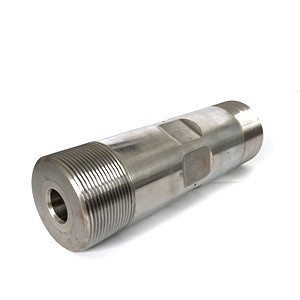
This component is a high pressure cylinder, also known as an intensifier cylinder or pressure vessel, specifically designed for waterjet cutting systems . It is a precision-machined cylindrical pressure vessel that serves as the primary chamber where water is compressed to ultra-high cutting pressures (typically 60,000–90,000 PSI / 4,137–6,200 bar) . The cylinder houses the reciprocating ceramic plunger and high pressure seal assemblies , converting hydraulic energy into a high-pressure water stream for precision cutting.
The HP cylinder is subjected to extreme cyclical pressure loads, often reaching 300–600 MPa or higher, with a typical operational lifespan of approximately 3,000 hours before replacement is recommended . It is typically manufactured from high-strength alloy steel or precipitation-hardened stainless steel, designed to resist fatigue failure and maintain dimensional stability under millions of pressure cycles .
This specific part number (510000389) is identified as a DARDI G6D series high pressure cylinder, also cross-referenced as EP0420 .
Applications:
Used as the primary high-pressure containment vessel within waterjet intensifier pumps
Positioned between the hydraulic cylinder (low pressure side) and the check valve assembly
Houses the reciprocating plunger and high pressure dynamic seals that compress water for cutting
Suitable for ultra-high pressure waterjet systems operating at 60,000–90,000 PSI (approximately 4,137–6,200 bar)
Compatible with DARDI G6D intensifier assemblies and other standard waterjet systems
Features:
High-Strength Construction: Manufactured from high-strength stainless steel or alloy steel with specialized heat treatment to withstand extreme pressure cycling
Precision-Machined Internal Bore: Features a precision-honed bore with exceptional surface finish to ensure proper plunger alignment and seal performance
High Fatigue Resistance: Engineered to withstand continuous pressure cycling from zero to maximum operating pressure without fatigue failure; typical service life of 3,000 hours
Threaded Connections: Features precision-machined threads for secure attachment to cylinder heads and check valve assemblies
Corrosion-Resistant: Material treatment resists erosion from water and water treatment additives
Bore Integrity: Internal surface quality directly affects seal performance and cylinder service life
Maintenance:
Failure Diagnosis:
Water Leakage from Cylinder End: Visible water weeping from the cylinder connection indicates worn seals or cylinder bore damage
Pressure Drop: Inability to maintain rated cutting pressure may indicate internal bore wear or cracking
Hot Cylinder Surface: A cylinder running noticeably hotter than normal indicates internal seal failure or component wear
Loss of Cutting Performance: Reduced cutting efficiency or erratic pressure output suggests cylinder bore degradation
Inspection Procedures:
Visual Examination: During pump overhaul, inspect the cylinder external surface for signs of corrosion, pitting, or mechanical damage
Bore Inspection (Critical): Each time the high pressure seal assembly is replaced, inspect the cylinder bore for scratches, pits, scoring, or residue buildup. Run a fingernail across the surface to identify imperfections
Bore Polishing: If minor surface imperfections are present, polish the inside diameter with 600-grit wet/dry sandpaper using a circumferential wiping motion only. Do not polish along the cylinder length as this may damage the bore surface
End Face Inspection: Check the cylinder end face for signs of marking or pitting around the bore edge
Thread Inspection: Inspect cylinder threads for signs of wear, galling, or damage. Apply anti-seize compound to threads before installation
Replacement Guidelines:
Recommended Service Life: Replace the high pressure cylinder every 3,000 operating hours or immediately if cracking or damage is detected
Replacement Indicators: Replace immediately if any of the following are detected :
Visible cracks or fractures on the cylinder body
Deep scoring, pitting, or scratching inside the bore
Out-of-round condition exceeding manufacturer specifications
Severe corrosion or pitting on sealing surfaces
Damaged or stripped threads
Simultaneous Component Replacement: When replacing the HP cylinder, it is recommended to also replace the plunger and all associated high pressure seals to ensure optimal performance
Installation Best Practices:
Lubrication: Apply anti-seize compound to cylinder threads and shoulder guides before installation to prevent galling
Proper Seating: Carefully thread the cylinder into the hydraulic cylinder head, supporting its weight to prevent thread damage
Torque Compliance: Tighten the high pressure cylinder hand tight with the appropriate cylinder wrench, then tap the wrench with the palm of your hand to achieve final tightening
Alignment Verification: After installation, place a corresponding alignment mark to ensure proper tightening and full seating
Full Depressurization: Always fully depressurize the waterjet system and follow lockout/tagout procedures before removing or servicing the HP cylinder