20460048-Check-Valve-Outlet-Poppet
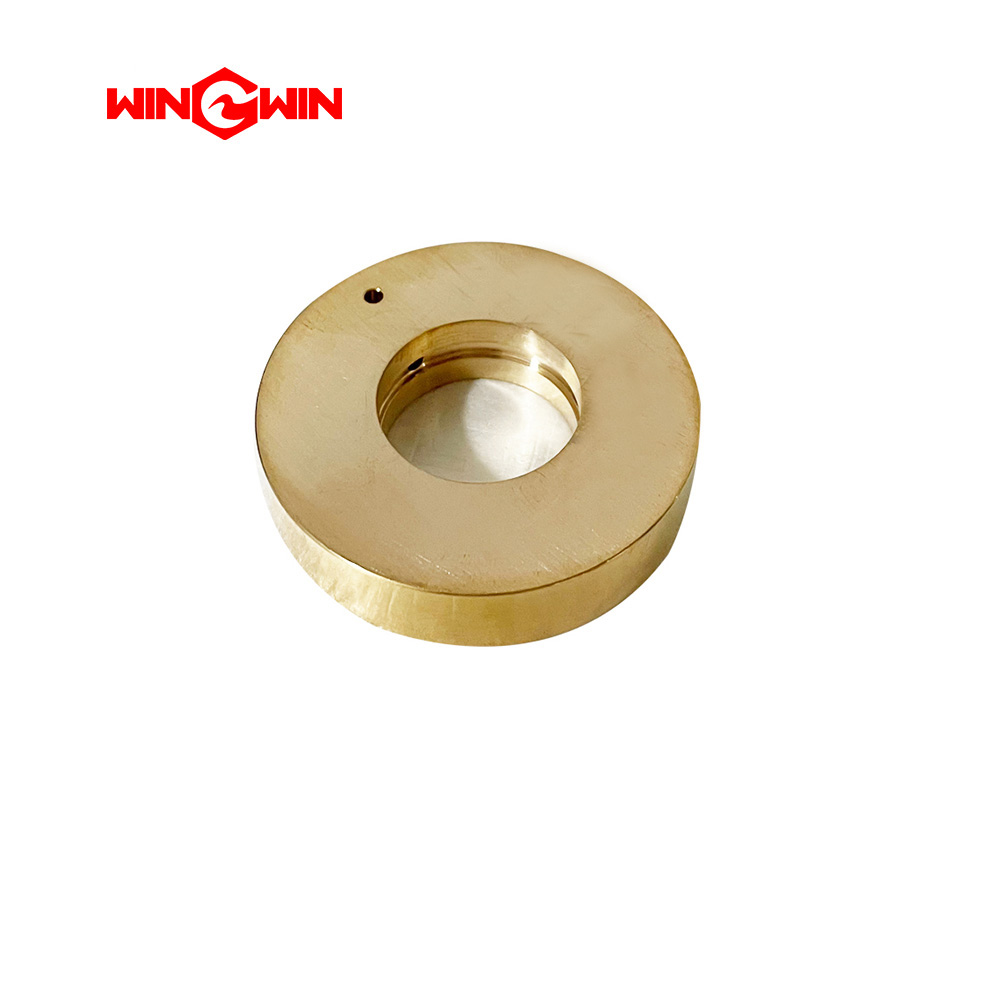
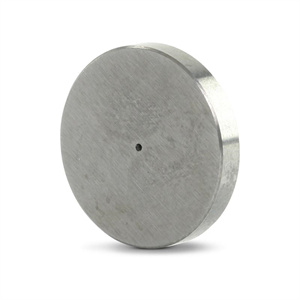
Product Name: Check Valve Outlet Poppet (Part No. 20460048)
Description:
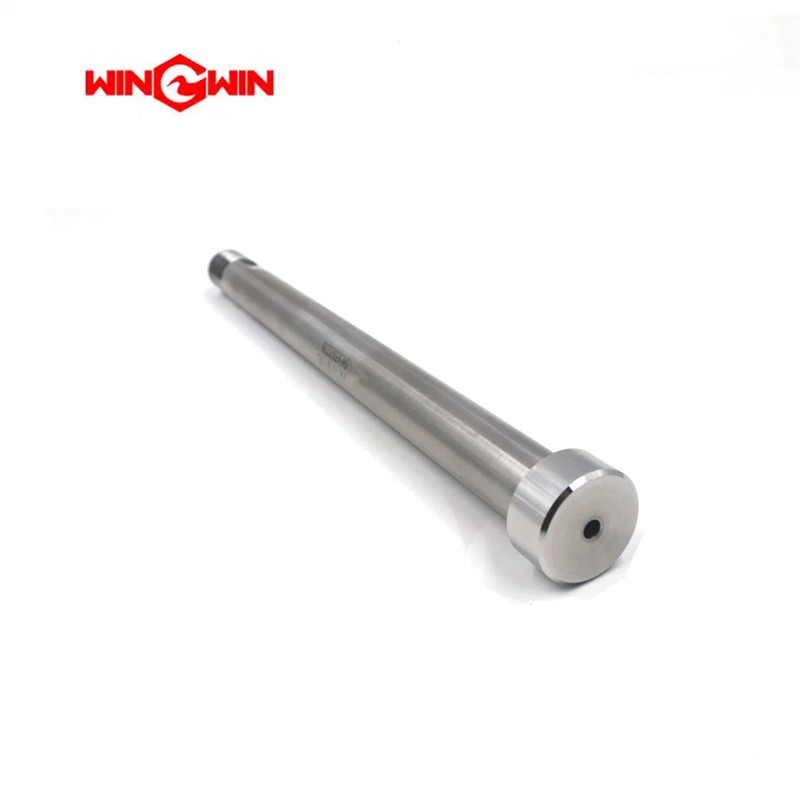
This component is a discharge poppet for the high-pressure outlet check valve in a waterjet intensifier pump system. As a core moving part of the check valve assembly, its primary function is to control the one-way flow of pressurized water leaving the intensifier cylinder, preventing dangerous backflow that could damage system components.
This poppet utilizes a "flat" sealing design (a disc or mushroom shape) to create a leak-tight seal against a stationary valve seat. It is designed for ultra-high-pressure applications, typically rated for 60,000 PSI (approximately 4,137 bar) or higher. It is specifically manufactured to work with .875 inch (7/8") plunger intensifier systems and is compatible with Streamline SL-IV, SL-V, and Neoline series pumps.
Applications:
Used as the primary high-pressure discharge (outlet) check valve component in waterjet intensifier pumps.
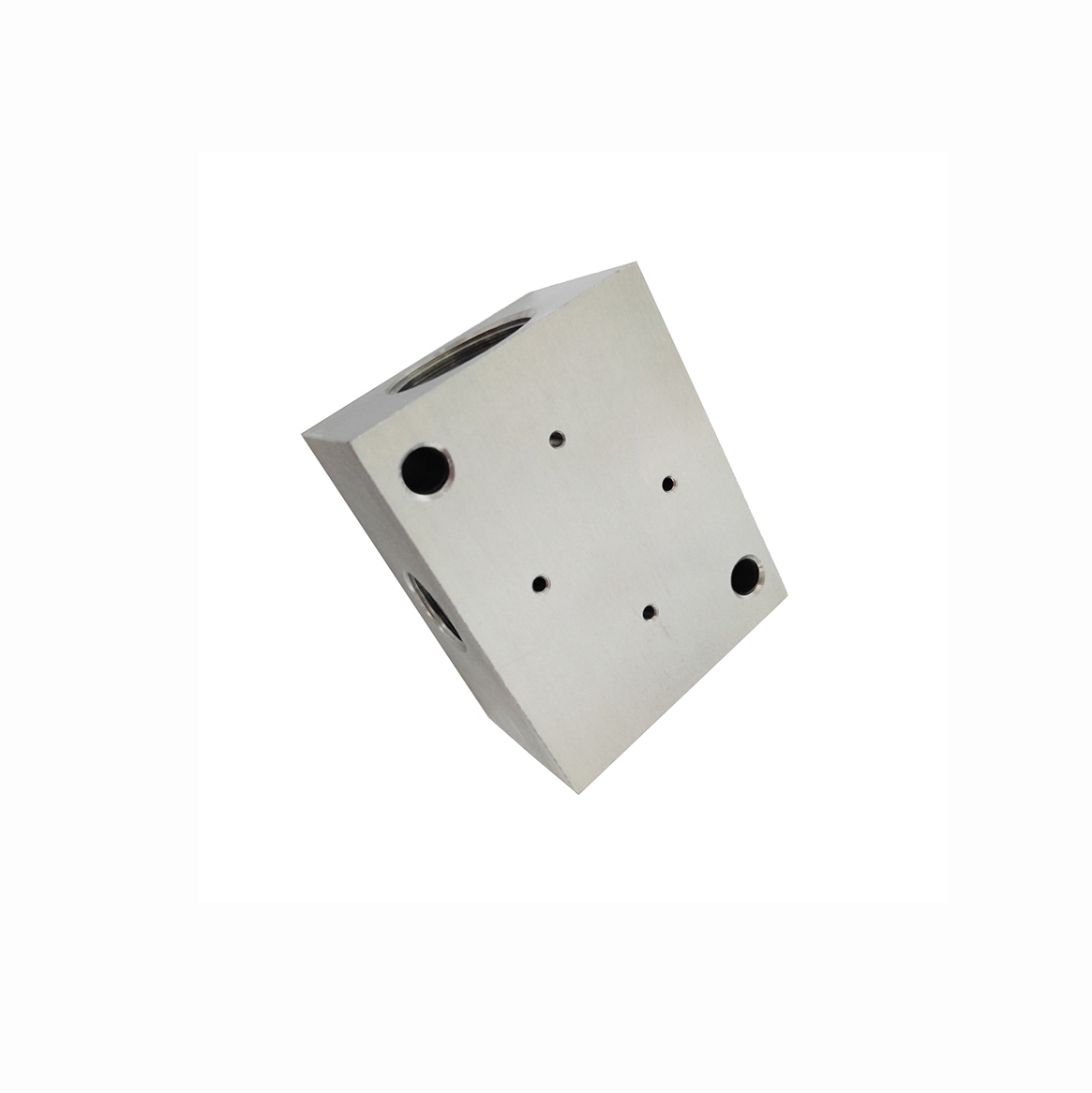
Controls the flow of pressurized water from the intensifier cylinder to the outlet manifold and cutting head.
Suitable for ultra-high pressure waterjet systems operating at 60,000+ PSI (4,100+ bar).
Features:
Flat Poppet Design: The flat sealing surface ensures a durable, positive seal against the valve seat under extreme pressure.
High-Strength Material: Manufactured from hardened, wear-resistant stainless steel to withstand millions of impact cycles and resist corrosion.
Critical Consumable Component: The poppet is a high-wear part that is designed for periodic replacement to maintain pump efficiency.
High-Pressure Rating: Engineered for the extreme cyclic demands of continuous waterjet operation.
OEM Compatibility: Direct replacement for outlet check valves in major intensifier systems.
Maintenance:
When to Replace (Failure Diagnosis):
Pressure Drop: The most common symptom of a worn poppet is the system's inability to build or maintain rated cutting pressure.
Erratic Intensifier Cycling: The intensifier pump may cycle irregularly, "over-stroke," or fail to change direction properly.
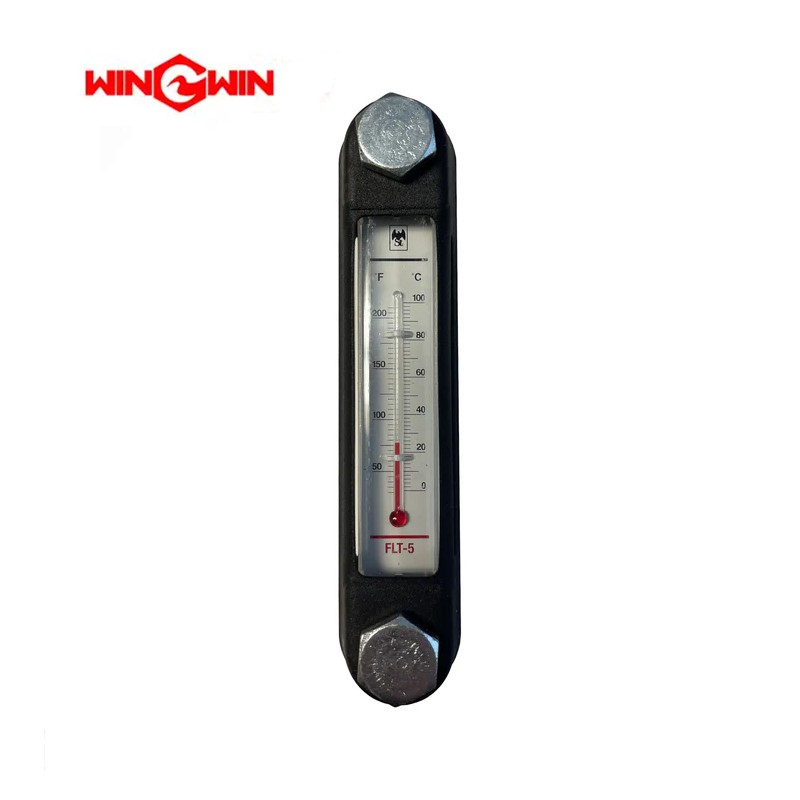
Overheating Valve Body: If a specific check valve body feels significantly hotter than its counterpart after operation, it indicates internal leakage.
Visible Wear: During disassembly, inspect the poppet's flat sealing surface for pitting, grooving, cracking, or indentation. Even minor surface damage requires immediate replacement.
Replacement Guidelines:
Recommended Interval: KMT (OEM) service manuals strongly recommend servicing discharge check valves every 1,500 operating hours as part of a preventive maintenance schedule.
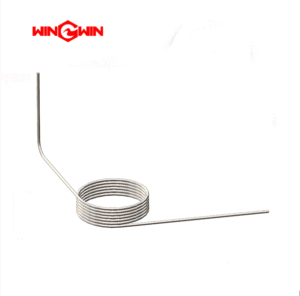
Replace as a Set (Critical): The seat, spring, and poppet valve should always be replaced together as a set. If one component requires replacement, replace all three. Never reuse a worn poppet.
Inspect Valve Seat: Always replace the corresponding high-pressure valve seat simultaneously. Reusing a worn seat with a new poppet will compromise sealing immediately.
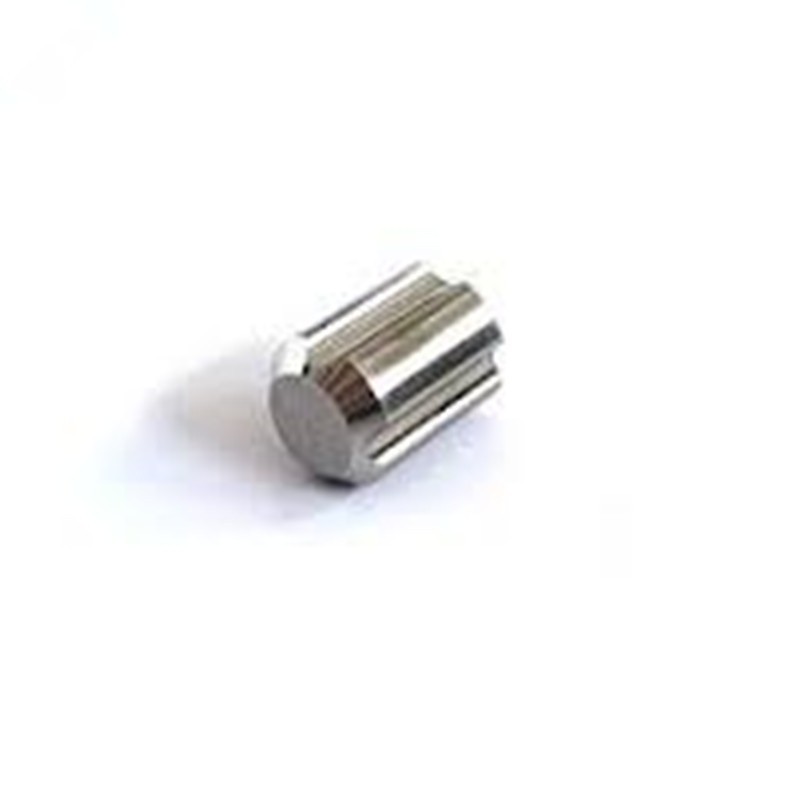
Component Inspection: Examine the poppet pin and spring for damage. Worn or damaged components should be replaced concurrently.
Full Depressurization: Always fully depressurize the waterjet system (hydraulic and high-pressure water circuits) and follow lockout/tagout procedures before servicing.
Clean Installation: Thoroughly clean the valve body cavity and apply a thin film of high-pressure grease (e.g., "Goop") to the sealing faces and threads during reassembly.
Torque Compliance: When reassembling, tighten the gland nut to the specific torque values listed in the equipment service manual using a torque wrench.