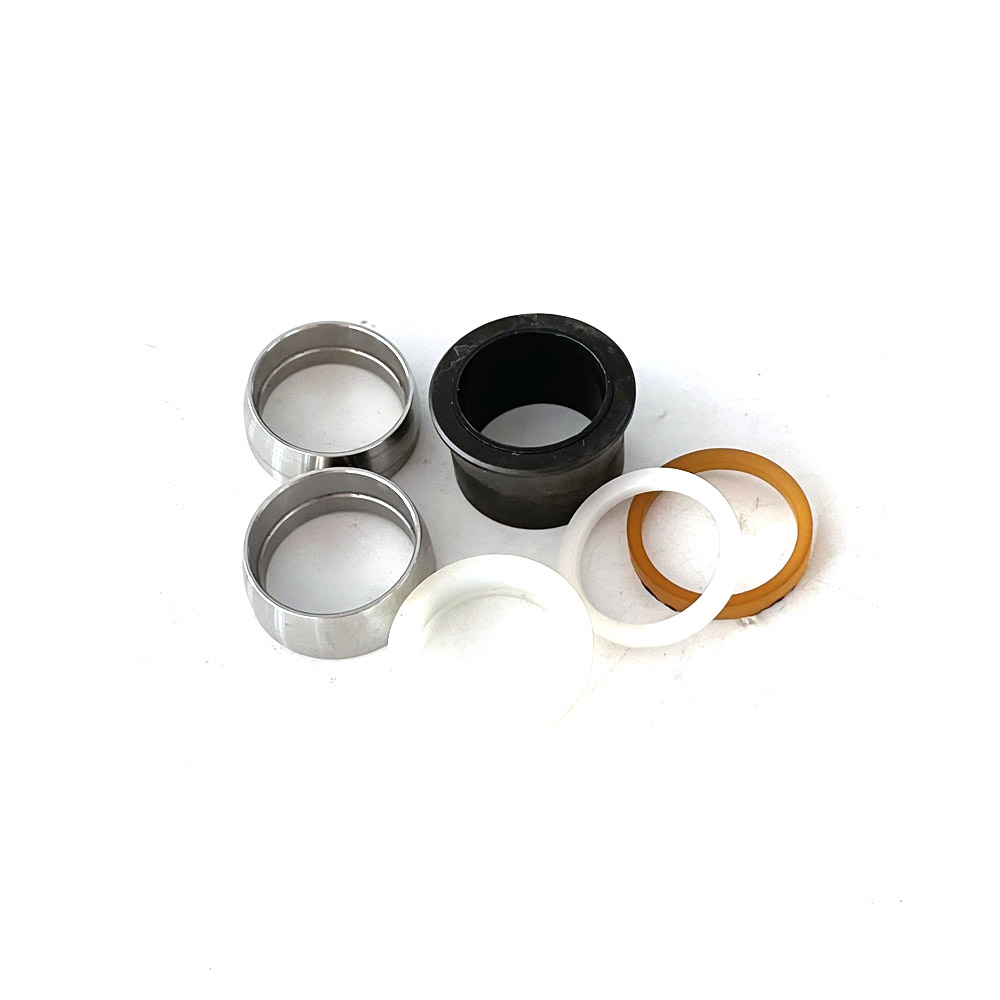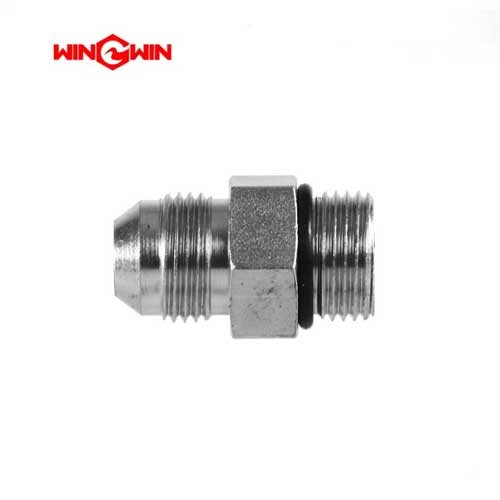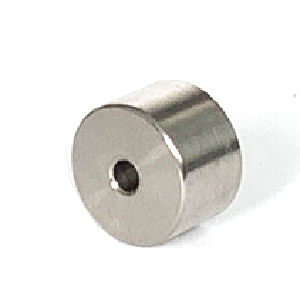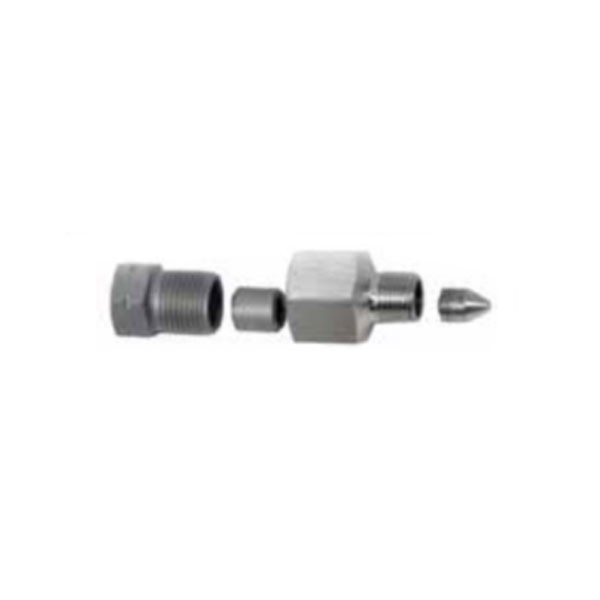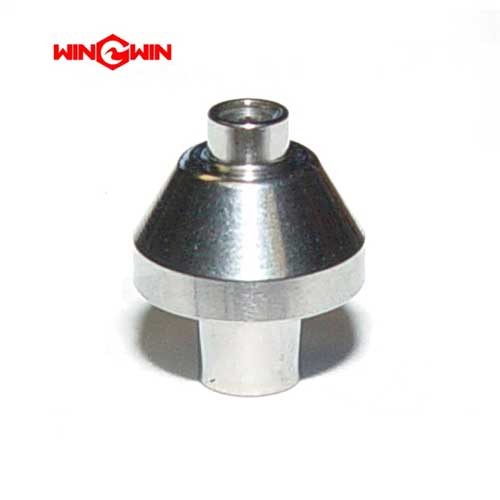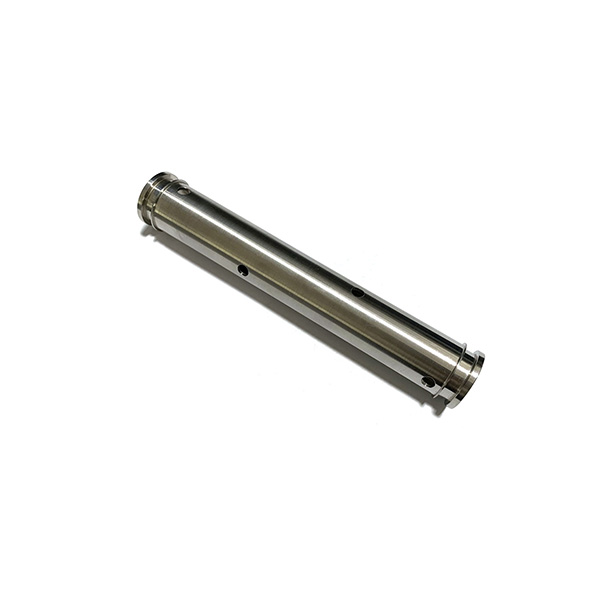
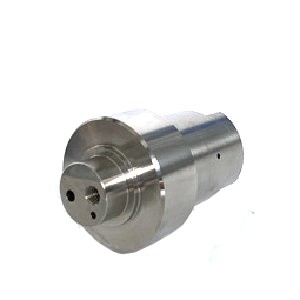
STD Check Valve Plug / Plug (Part No. 730710245)
Product Name: STD Check Valve Plug / Plug (Part No. 730710245)
Description:
This component is a "Plug," specifically the blanking plug or sealing plug for a standard (STD) check valve assembly in a waterjet cutting system. It is a precision-machined component, typically made of high-strength stainless steel, designed to seal a port in the check valve body. It ensures the one-way flow path by blocking a specific passage or access point, maintaining leak-tight integrity under ultra-high pressure.
Applications:
Seals the unused port or access hole on a standard check valve block.
Maintains the structural integrity of the high-pressure hydraulic or water circuit.
Prevents external leakage of high-pressure fluid (water or hydraulic oil) from the valve body.
Suitable for systems rated at 60,000 PSI and above (compatible with 60K systems).
Features:
High-Pressure Sealing: Engineered to withstand the extreme pressure spikes common in waterjet intensifiers.
Corrosion-Resistant Material: Constructed from hardened stainless steel to resist pitting and erosion.
Precision Threading: Features precisely cut threads for a secure, leak-proof fit in the valve housing.
Safety Component: A critical part of the pressure boundary; failure can result in high-pressure fluid jets.
Maintenance:
Inspect for Leaks: Before operation, check the plug for signs of high-pressure water seepage or hydraulic oil weeping.
Thread Care: During servicing, inspect the threads for galling or damage. Apply anti-seize lubricant to prevent thread seizure.
Seal Integrity: If the plug uses a bonded seal or O-ring, replace the seal each time the plug is removed.
Torque Compliance: Tighten the plug to the specific torque value listed in the service manual to prevent damage or leaks.
Full Depressurization: Always fully depressurize the system and follow lockout/tagout procedures before removing the plug.