Advantage-EP-Collar-190026-2
Product Name: Advantage EP Collar (Nozzle Body to Mini Valve) – Part No. 190026-2
Description:
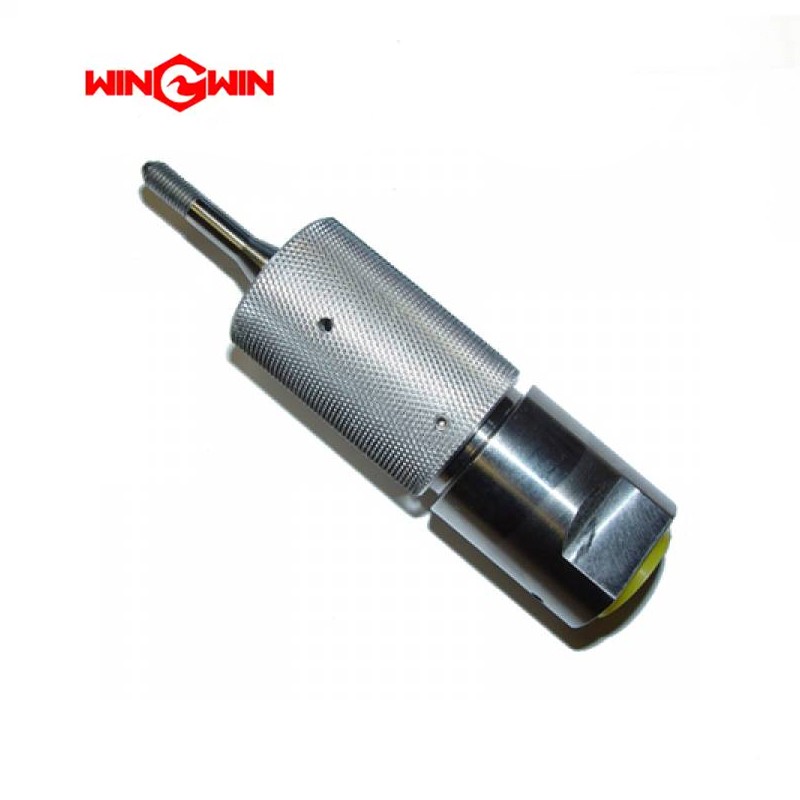
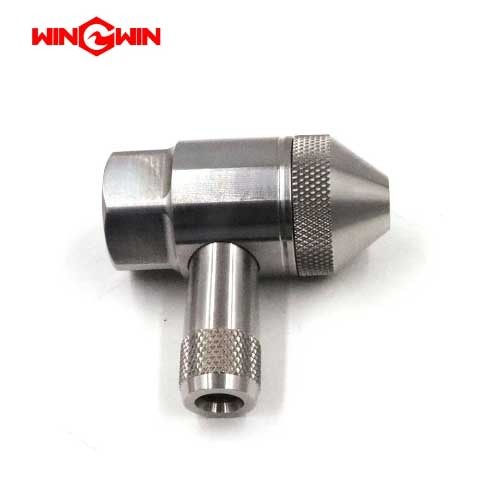
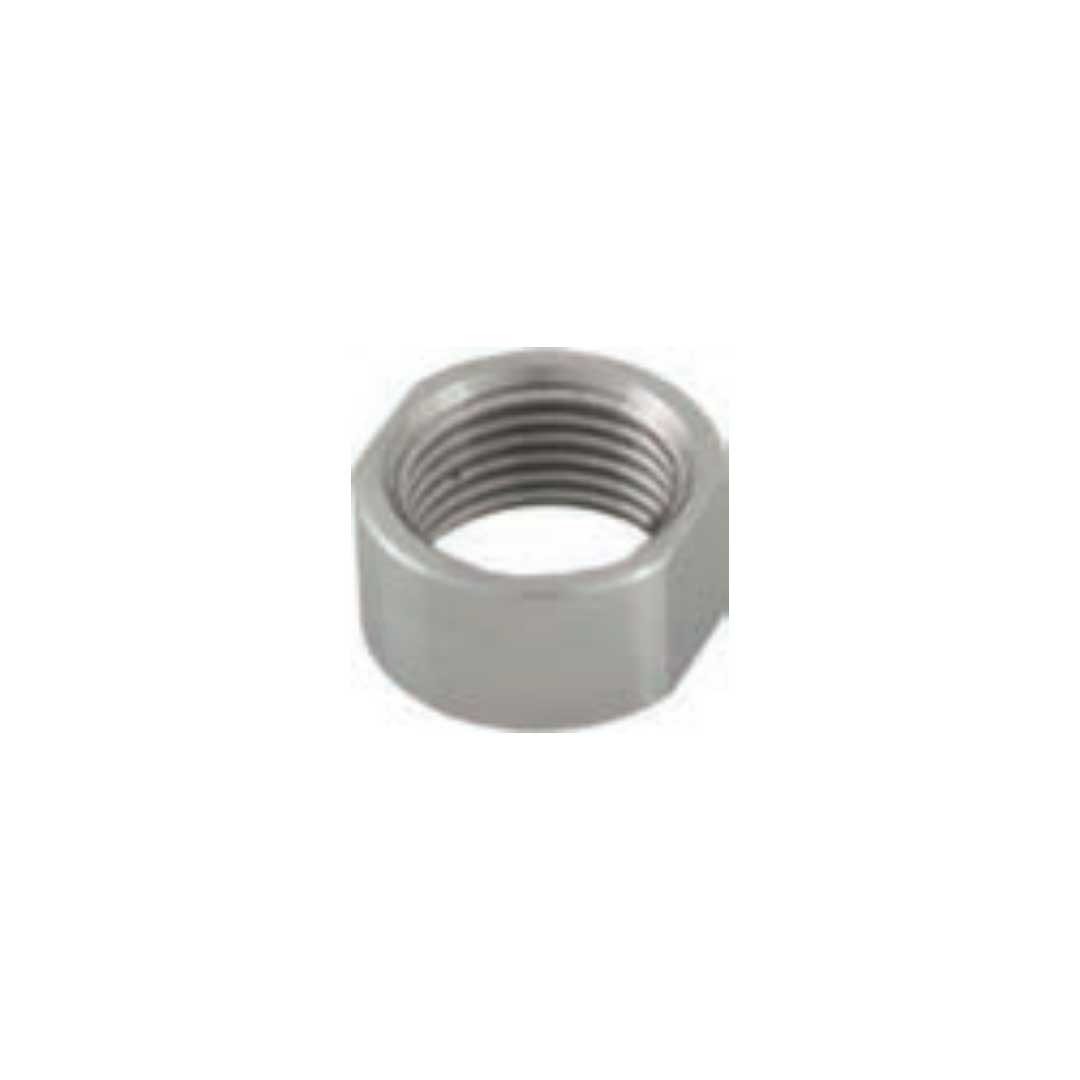
This component is the Advantage EP Collar, a high-strength retaining collar specifically engineered to connect the nozzle body to the mini valve assembly on Advantage EP series waterjet cutting systems . Rated for extreme pressure operation at 6,200 bar (approximately 90,000 PSI) , this stainless steel collar serves as a structural fastening and alignment component in the cutting head assembly.
In the cutting head assembly, the collar works together with the nozzle body and gland nut to ensure structural integrity and high-pressure sealing . When tightened, it creates the necessary clamping force to compress the sealing components, forming a leak-tight, metal-to-metal seal at the interface between the mini valve and the nozzle body.
This collar is an OEM replacement part for H2O Jet and Flow waterjet systems , with cross-reference part numbers including WE000197 and 710869-1 .
Applications:
Secures the nozzle body to the mini valve assembly in Advantage EP waterjet cutting heads
Provides structural stability and proper alignment between cutting head components
Works in conjunction with gland nuts and sealing components to form a high-pressure seal
Suitable for 60,000-90,000 PSI (4,137-6,200 bar) ultra-high pressure waterjet systems
Compatible with H2O Jet, Flow, and other standard waterjet systems
Features:
Stainless Steel Construction: Provides excellent corrosion resistance and structural integrity in waterjet environments
Precision-Machined Threads: Ensures smooth engagement with mating components for consistent clamping force
Extreme Pressure Rating: Engineered for continuous operation at up to 6,200 bar / 90,000 PSI
Essential Connection Component: Serves as the critical mechanical link between the nozzle body and mini valve
Lightweight: Approximately 0.04 kg for easy handling during maintenance
Direct OEM Replacement: Interchangeable with H2O Jet #190026-2, Flow #710869-1, and WE000197
Maintenance:
Failure Diagnosis (When to Replace):
Persistent External Leakage: High-pressure water weeping from the connection area indicates the collar may be loose, threads are damaged, or the sealing surfaces are compromised
Thread Damage: Stripped, galled, or cross-threaded threads prevent proper tightening and will cause high-pressure leaks
Difficult Assembly: If the collar feels gritty or binds during threading, threads may be damaged and require replacement
Visible Cracks or Deformation: Any cracking or distortion of the stainless steel body warrants immediate replacement
Hardware Security: If the collar becomes loose during operation due to vibration, inspect threads for wear and replace if necessary
Inspection and Installation Guidelines:
Full Depressurization (Critical): Before any maintenance, fully depressurize the waterjet system and follow lockout/tagout procedures
Leak Check Procedure: Regularly inspect the collar connection during daily maintenance as part of the leak detection routine—check for visible water weepage and pay attention to temperature differences; if the connection area feels warmer than normal, internal leakage may be occurring
Thread Inspection: Before reassembly, carefully inspect threads for wear, galling, corrosion, or damage. Clean threads thoroughly
Torque Compliance: Tighten the collar to the specific torque value listed in the equipment service manual using a calibrated torque wrench
Thread Lubrication: Apply a thin, even layer of high-pressure anti-seize lubricant (e.g., "Blue Goop" or "Silver Grade") to the threads during reassembly to prevent galling and ensure accurate torque application
Clean Installation: Perform assembly in a clean area. Thoroughly clean all mating surfaces and threads with a soft cloth and compatible solvent before installation
Use Proper Tools: Use the correctly sized wrench on the collar's wrench flats. Do not use pipe wrenches or pliers that could damage the surfaces
Replace if Damaged: Replace the collar immediately if threads are damaged, cracks are visible, the collar shows signs of deformation, or persistent leakage occurs despite correct installation
Preventive Replacement: While a durable component, the collar is considered a semi-wear structural part. It is recommended to inspect it during major pump overhauls and replace it if any signs of wear or thread damage are present