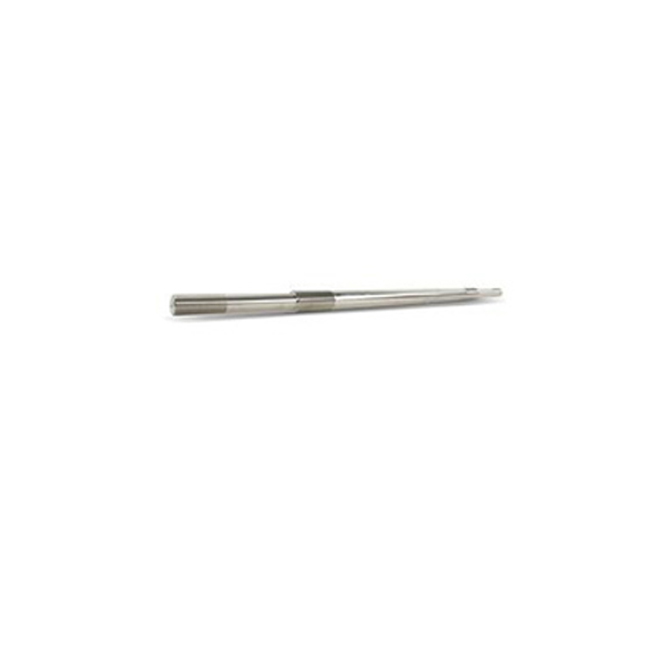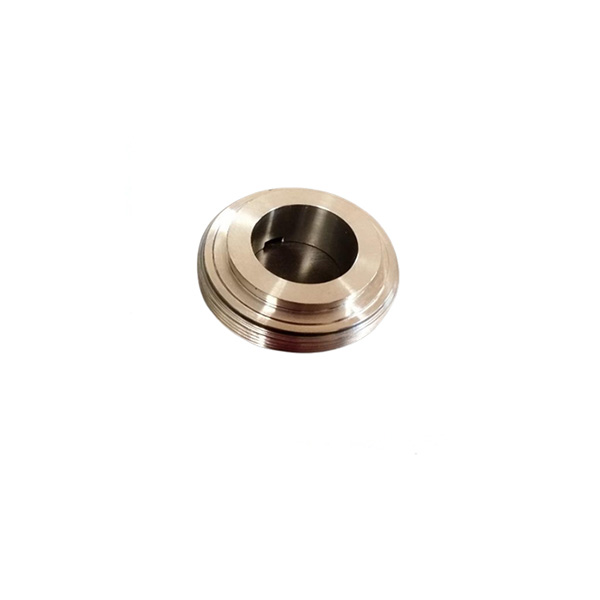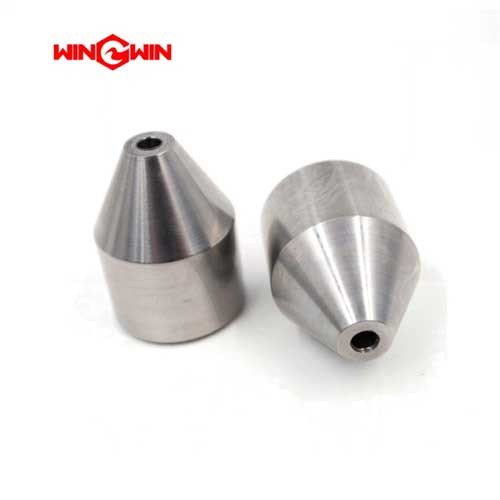
Advantage-EP-Mini-Air-Actuator-391006-1
Product Name: Advantage EP Mini Air Actuator (94k N/C) – Part No. 391006-1
Description:
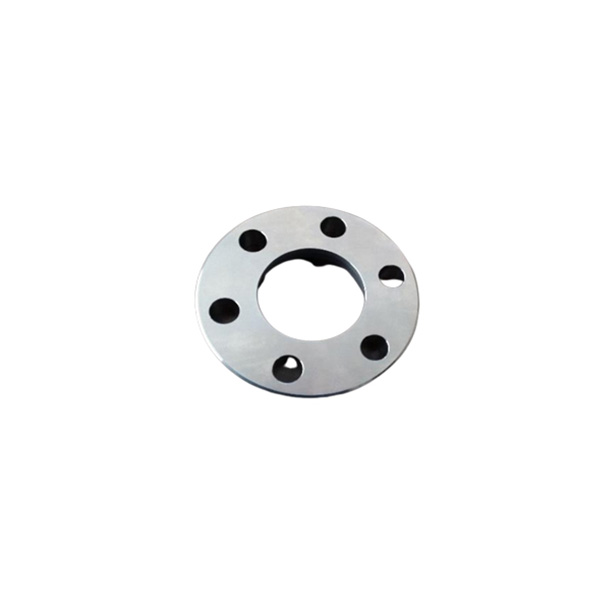
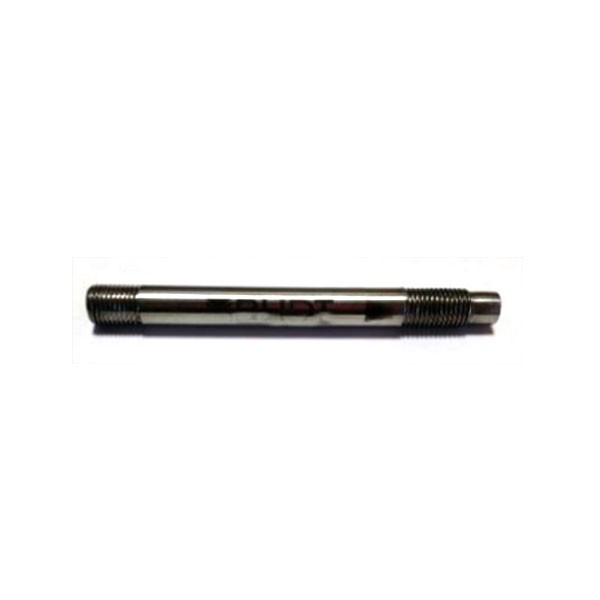
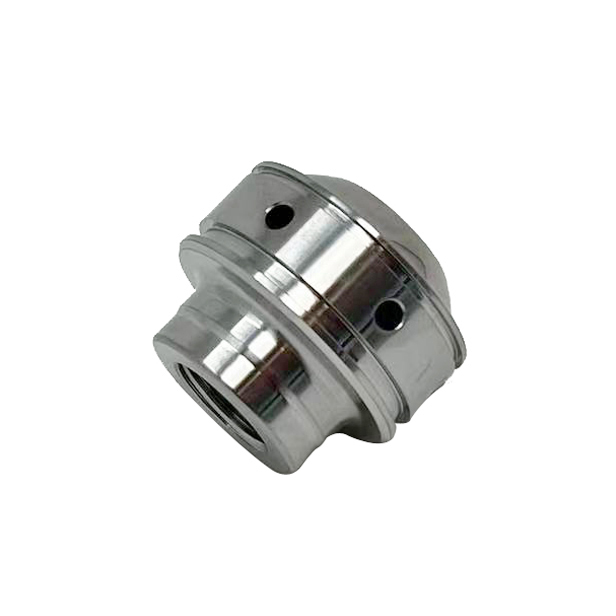
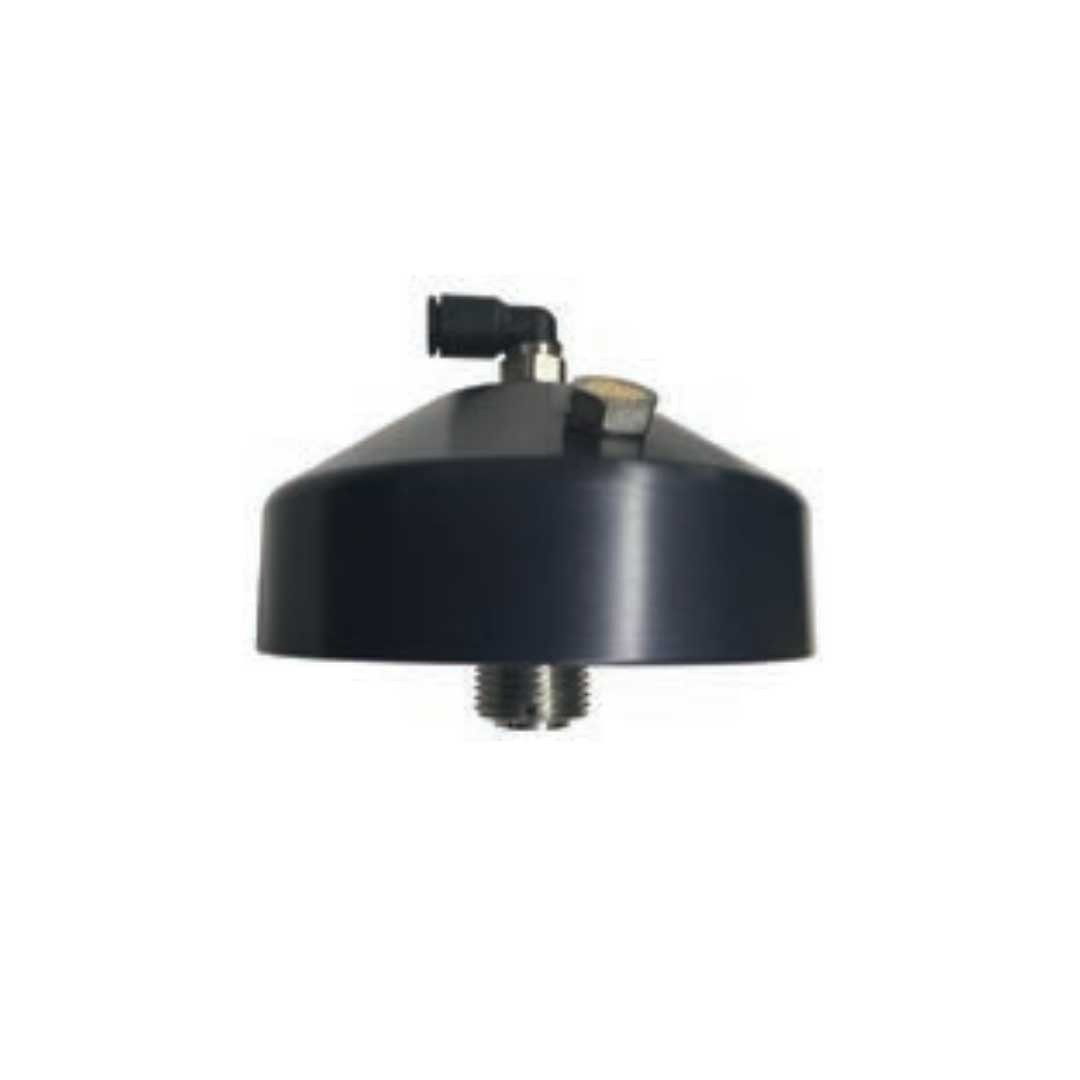
This component is a mini pneumatic actuator specifically engineered for Advantage EP series waterjet cutting systems, rated for extreme pressure operation up to 94,000 PSI (approximately 6,480 bar). It serves as the power unit that converts compressed air energy into linear mechanical motion to actuate the on/off valve (water switch) in the cutting head assembly.
As a "Normally Closed" (N/C) actuator, the valve remains closed when no pneumatic pressure is applied—this is a safety feature ensuring the high-pressure waterjet stops automatically if air supply is lost. When compressed air (typically 75-125 PSIG) is supplied, the actuator moves the valve stem to open the water flow path, allowing the cutting jet to start.
The "Mini" designation indicates a compact form factor, making it suitable for space-constrained cutting head assemblies, particularly on Advantage EP 94k systems where high-pressure performance is required in a small package. This actuator is an OEM replacement part compatible with H2O Jet and other standard waterjet systems.
Applications:
Actuates the on/off valve (water switch) on Advantage EP 94,000 PSI waterjet cutting heads
Converts compressed air into mechanical motion to start and stop the cutting jet
Suitable for ultra-high pressure waterjet systems operating at 94,000 PSI (6,480 bar)
Used during scheduled preventive maintenance or when valve actuation fails
Features:
94,000 PSI Rating: Engineered for the highest pressure class in waterjet cutting
Normally Closed (N/C) Configuration: Default state is closed; requires air pressure to open—enhances safety
Miniature Design: Compact form factor for space-constrained cutting head assemblies
Pneumatic Actuation: Operates on standard plant air supply (typically 75-125 PSIG)
Fast Response Time: Provides rapid valve actuation for precise jet control
Direct OEM Replacement: Compatible with H2O Jet and other standard waterjet systems
Maintenance:
When to Replace (Failure Diagnosis):
Valve Fails to Open: If the cutting head does not produce a waterjet when the control signal is given, the actuator may be malfunctioning or air supply may be insufficient
Valve Fails to Close: If water continues to flow when the control signal is off, the actuator may be stuck or return spring may be damaged
Slow or Sluggish Actuation: Delayed valve response indicates internal wear, low air pressure, or seal degradation
External Air Leakage: Hissing sounds or feeling air escaping from the actuator body indicates worn seals
Visible Damage: Cracks, corrosion, or physical damage to the actuator housing
Inspection and Replacement Guidelines:
Full Depressurization (Critical): Before any maintenance, fully depressurize the waterjet system (high-pressure water, hydraulic system, and air supply) and follow lockout/tagout procedures. Severe injury can result if the machine is not properly locked out
Check Air Supply: First, verify the air supply is within the required range (75-125 PSIG) and that the supply line is not kinked or blocked; a faulty solenoid valve can also prevent air from reaching the actuator
Complete Assembly Replacement: This component is typically serviced as a complete assembly. If internal seals or the piston fail, replacing the entire actuator is the standard procedure
Inspect for Corrosion: Check the actuator body and connections for signs of rust or physical damage, especially in high-moisture environments
Torque Compliance: When reinstalling the actuator onto the valve body, tighten the mounting hardware to the torque values specified in the equipment service manual to prevent air leaks
Service Tip: During actuator replacement, it is highly recommended to inspect the valve body, seat, stem, and seals for wear. Servicing these components together restores fast valve response and consistent shutoff performance
Electrical Connections (if applicable): If the system uses a solenoid valve to control air flow to the actuator, verify the solenoid operates correctly at the specified voltage; check electrical connections for corrosion or loose terminals
Clean Installation: Perform rebuilds in a designated clean area to prevent contamination of new components with abrasive particles
Storage: Store spare actuators in a clean, dry environment in protective packaging to prevent damage to seals and internal components before use
Packaging Information:
According to manufacturer specifications, this component is packaged with soft inner packaging and outer carton for protection during shipping; wooden packaging is also available.