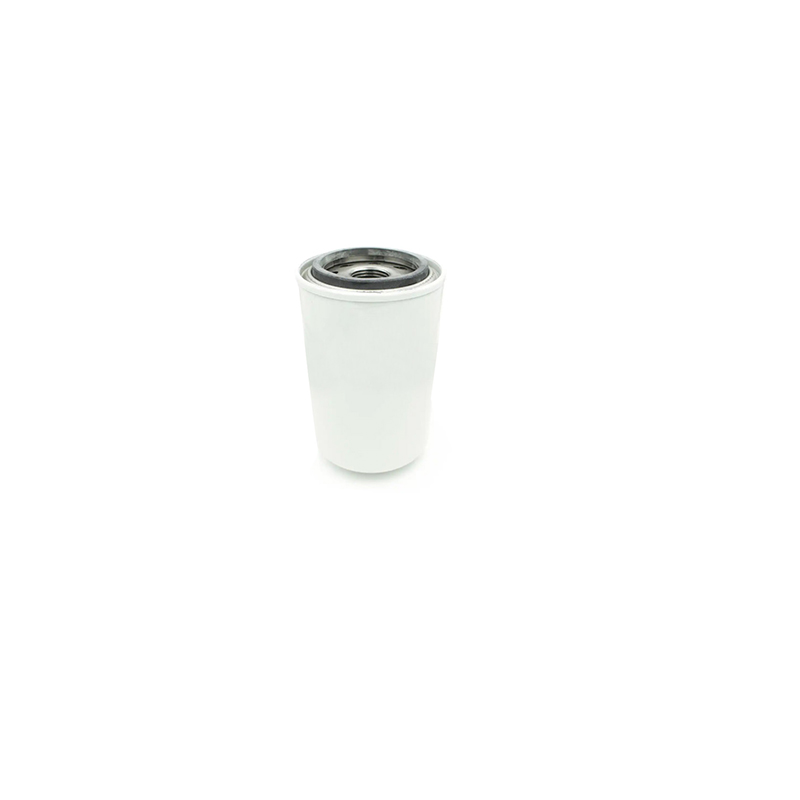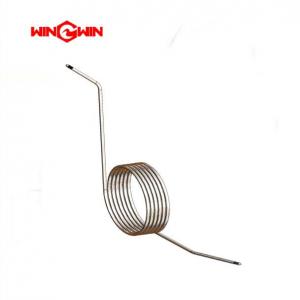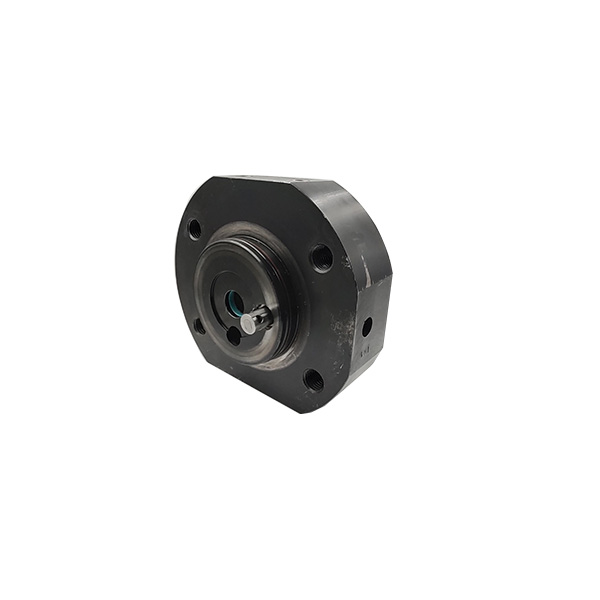
Small Oil Cooler / Hydraulic Heat Exchanger
Product Name: Small Oil Cooler / Hydraulic Heat Exchanger
Description:
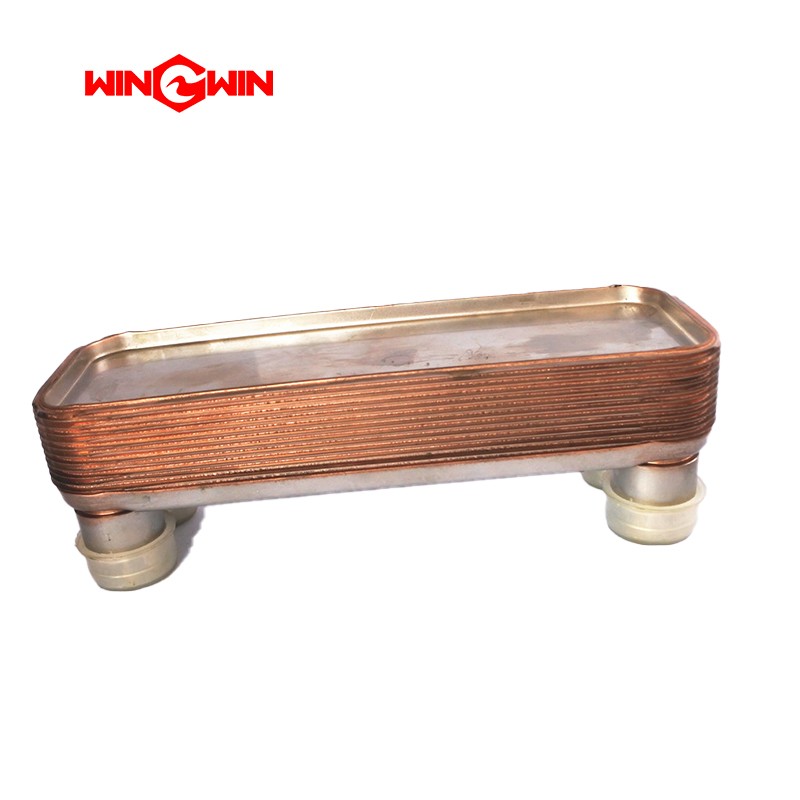
This component is a small oil cooler, also known as a hydraulic heat exchanger or hydraulic fluid cooler, specifically designed for waterjet cutting systems and intensifier pumps . It is a compact cooling device that removes excess heat generated by the hydraulic pump and intensifier assembly during continuous operation, maintaining hydraulic oil within optimal temperature range to prevent system overheating and component damage.
The intensifier is hydraulically driven, and the heat generated by the hydraulic pump requires effective cooling . While high-power systems often use large oil coolers, these "small coolers" are generally designed for lower-flow auxiliary circuits or smaller-scale waterjet systems.
Applications:
Cools hydraulic oil circulating through the intensifier pump and hydraulic power unit in waterjet cutting systems
Installed in the hydraulic oil return line between the intensifier outlet and the reservoir tank
Maintains optimal hydraulic oil temperature range of 20 degrees above ambient temperature
Suitable for smaller waterjet systems or as a secondary cooler in dual-cooler configurations
Features:
Compact Size: Small footprint suitable for space-constrained installations and auxiliary cooling applications
Fan-Cooled (Air-Cooled) Design: Uses a fan to blow air directly over cooling fins to dissipate heat from hydraulic oil
Low Energy Consumption: Designed for efficient operation with minimal power draw
Maintenance-Free Operation: Some models require no routine maintenance
Efficient Cooling: Capable of maintaining oil temperature within specified ranges under normal operating conditions
Durable Construction: Manufactured from materials resistant to corrosion and thermal stress
Common Cooling Configurations: Two common configurations are available: single fan cooler and double fan cooler (the latter typically used in high-temperature environments)
Common Issues & Troubleshooting:
Cooling Performance Degradation :
Cause: Clogged cooling fins or internal tubes, dust/debris buildup, insufficient coolant flow (for water-cooled types), or air in the system.
Solution: Clean the cooling fins with compressed air or water . Check cooling water flow and quality. Bleed air from the system.
Cause: Damaged seals at the oil inlet/outlet connections, cracked fittings, or compromised welded joints.
Solution: Check and tighten all hydraulic fittings. If a fitting is cross-threaded or cracked, replace it. For severe leaks, the cooler core may need replacement .
Cause: Internal tube rupture, erosion from poor water quality (high acidity/alkalinity or salinity), or seal failure.
Symptoms: Milky white hydraulic oil (water contamination) or oil sheen in the cooling water .
Solution: Replace the tube stack (core) or entire unit. Flush the hydraulic system if water has contaminated the oil .
Maintenance:
External Cleaning: Regularly clean the cooling fins/fan guard with compressed air or a soft brush to remove dust and abrasive garnet debris. Clogged fins are the leading cause of overheating .
Leak Inspection: Check oil and water connections for signs of leakage (oil stains or water seepage) .
Temperature Monitoring: Monitor the oil temperature reading during operation. If it consistently exceeds the normal range (typically 50-55°C / 122-131°F), inspect the cooling system.
Water Quality (Water-Cooled Units): For water-to-oil coolers, ensure the cooling water is treated to prevent scale buildup, biological growth, or corrosion of the internal tubes .
Full Depressurization: Before servicing, fully depressurize the hydraulic system, shut down the intensifier pump, and follow lockout/tagout procedures.
Anti-Freeze: In freezing conditions, drain the water circuit from the cooler to prevent ice expansion damage .
Replacement Criteria: Replace the cooler if the core is cracked, if fins are severely damaged/corroded, or if internal blockages cannot be cleared .