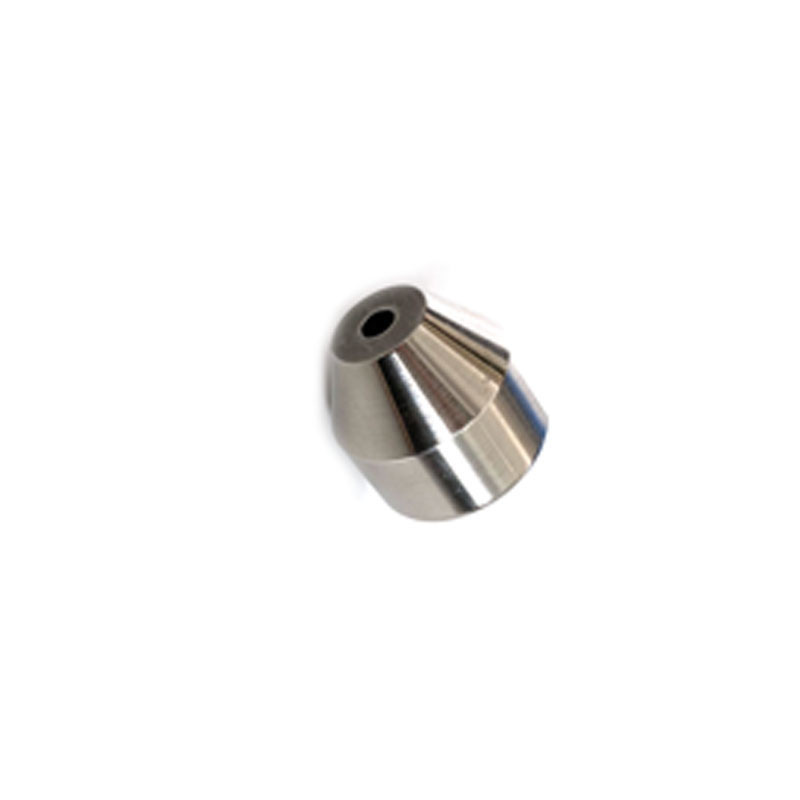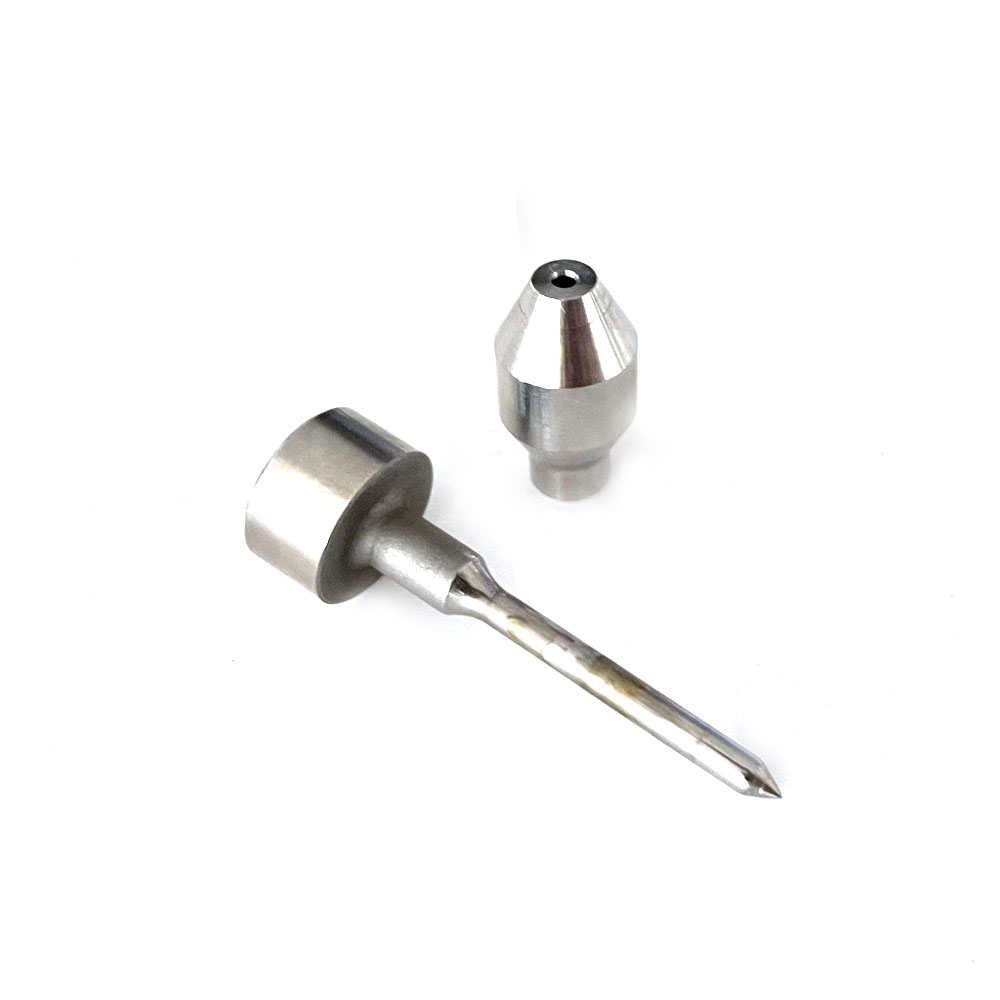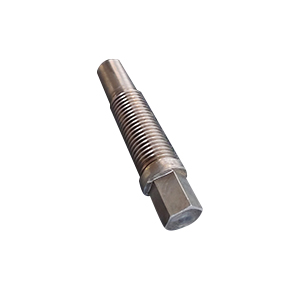
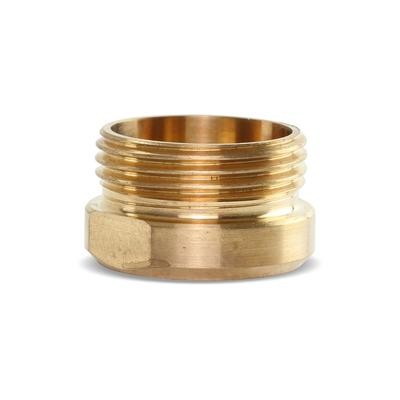
Check Valve Nut 303293
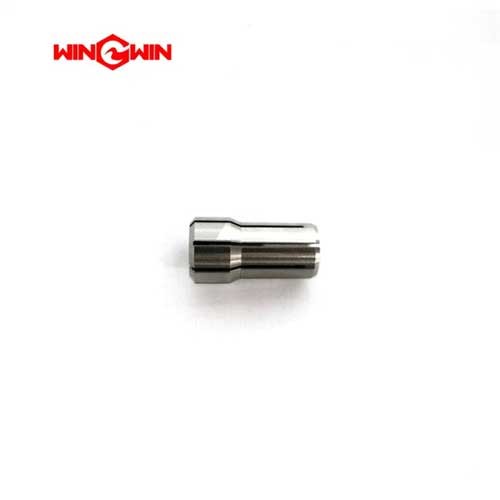
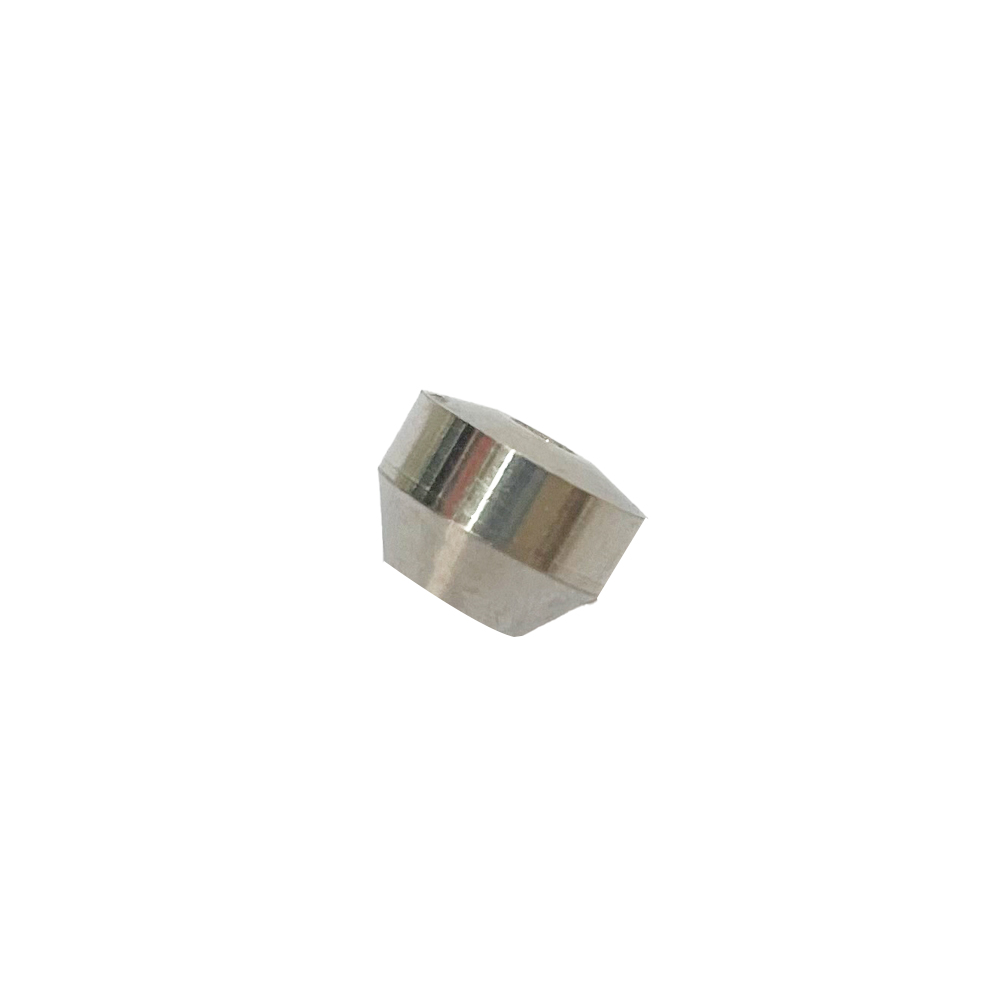
Product Name: Check Valve Nut / Inlet Retainer Nut (Part No. 303293)
Description:
This component is a check valve inlet retainer nut, specifically designed for the check valve assembly in high-pressure waterjet cutting systems . It is a precision-machined retaining nut that secures the internal components of the check valve, including the ceramic ball, valve seat, spring, and seals, within the check valve body. The nut is typically manufactured from high-strength materials such as copper beryllium alloy, chosen for its excellent mechanical properties and resistance to galling under high pressure . It is rated for continuous operation at 60,000–94,000 PSI (approximately 4,137–6,480 bar) and is a critical component for maintaining the integrity of the check valve assembly .
Applications:
Retains internal check valve components (ceramic ball, seat, spring, seals) within the check valve body of waterjet intensifier pumps
Installed at the inlet side of the check valve assembly to secure the sealing stack
Suitable for ultra-high pressure waterjet systems operating at 60,000 PSI and above
Features:
High-Strength Material: Manufactured from copper beryllium alloy, providing excellent strength, corrosion resistance, and anti-galling properties
Precision-Machined Threads: Ensures smooth engagement with the check valve body and accurate torque application for proper seal compression
Critical Retaining Function: Secures the internal sealing components, maintaining proper alignment and preload for leak-free check valve operation
OEM Compatibility: Direct replacement part for OMAX #303293, AccuStream, and other standard check valve assemblies
Non-Wear Component: Under normal use, the nut itself is not a direct wear part, though threads may degrade over time with repeated installation cycles
Maintenance:
Failure Diagnosis:
External Water Leakage: Visible water weeping from the check valve body indicates the nut may be loose or the sealing stack is compromised
Thread Damage: Stripped, galling, or cross-threaded threads prevent proper tightening and sealing
Difficulty Tightening: If the nut requires excessive force or feels gritty during threading, threads may be damaged
Visible Cracks or Deformation: Any cracking or distortion of the nut warrants immediate replacement
Inspection and Replacement Procedures:
Regular Inspection: Periodically inspect the check valve nut for signs of thread wear, galling, or surface damage during pump maintenance
Thread Care: Before reassembly, carefully inspect threads for wear, corrosion, or damage. Clean threads thoroughly with a soft brush
Torque Compliance: Tighten the check valve nut to the specific torque value listed in the equipment service manual to ensure proper seal compression without damaging threads
Thread Lubrication: Apply a thin layer of high-pressure thread lubricant or anti-seize compound to threads during reassembly to prevent galling
Replace if Damaged: Replace the nut immediately if threads are damaged, cracks are visible, or the nut shows signs of deformation
Full Depressurization: Always fully depressurize the waterjet system and follow lockout/tagout procedures before loosening or removing the check valve nut
Use Proper Tools: Use the correctly sized wrench on the nut's wrench flats. Do not use pipe wrenches or pliers that could damage the nut surfaces
Seal Replacement: When reinstalling, always replace associated O-rings and seals to ensure leak-free operation
Component Note: This nut works in conjunction with the check valve body (308102) and ceramic ball (200904) as part of the complete check valve assembly