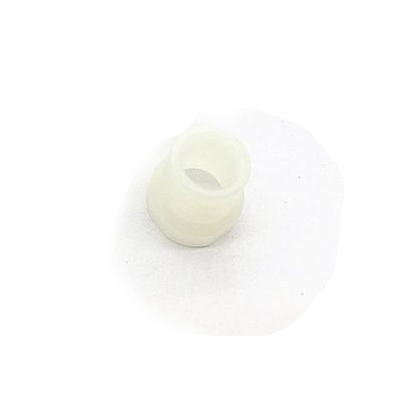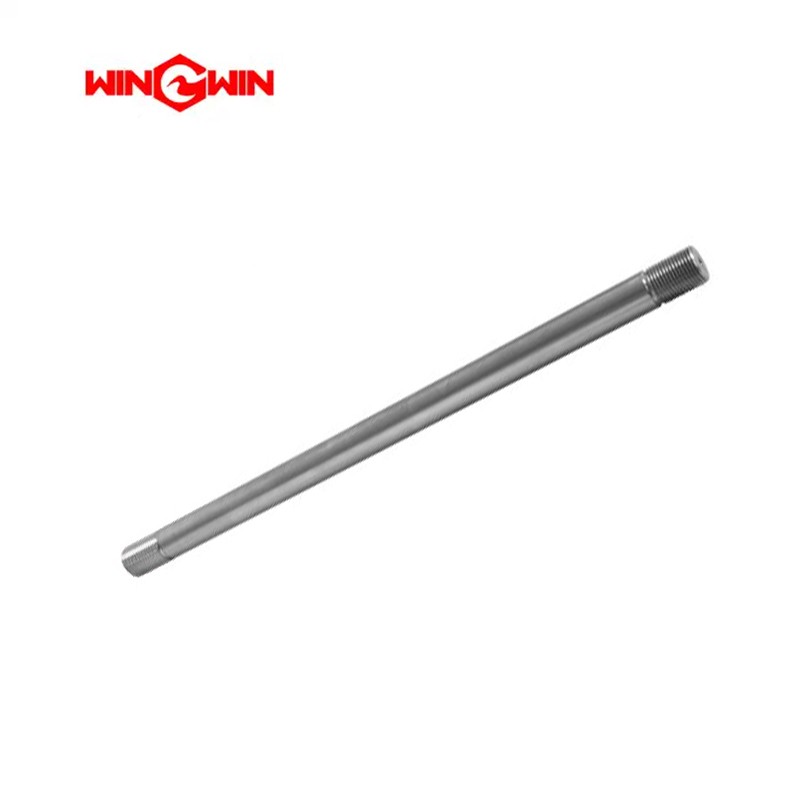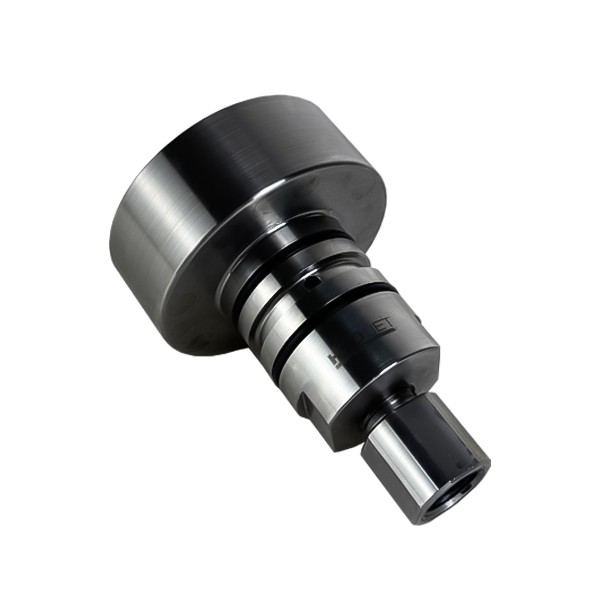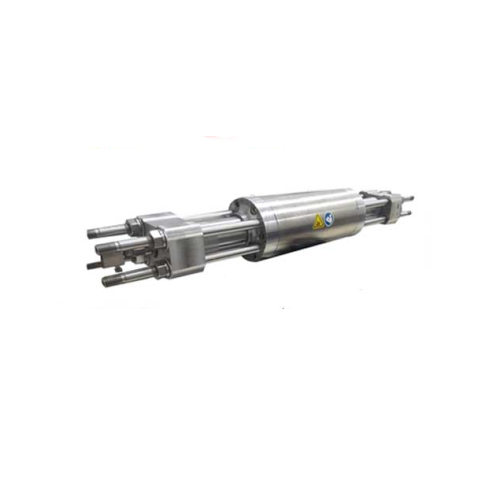
Charge Pump,Pro Con 202015
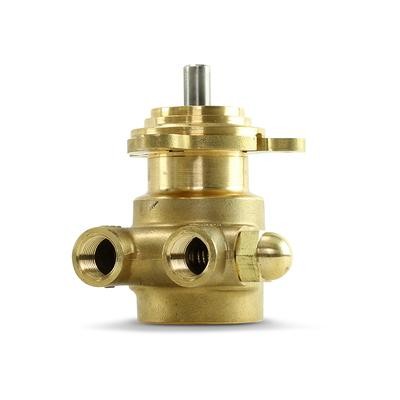
Product Name: Pro Con Charge Pump (Part No. 202015)
Description:
This component is a Pro Con Series charge pump, also known as a booster pump or low-pressure feed pump, specifically designed for the hydraulic power unit of waterjet cutting systems. It is a positive displacement pump, typically a rotary vane or gear pump, responsible for supplying a continuous, low-pressure flow of hydraulic fluid to the main high-pressure intensifier pump. The Pro Con design is engineered for reliability, providing a constant flow rate independent of discharge pressure to ensure the intensifier does not cavitate during high-speed operation.
Applications:
Supplies hydraulic fluid under low pressure to the inlet of the main high-pressure intensifier pump
Prevents cavitation by ensuring a steady flow of oil to the intensifier
Circulates hydraulic oil through the system's cooler and filter circuit
Suitable for ultra-high pressure waterjet systems rated at 60,000 PSI and above
Used in OEM systems from manufacturers including KMT, AccuStream, and OMAX
Features:
Positive Displacement Design: Provides a consistent flow rate, ensuring the intensifier operates smoothly regardless of backpressure
Rotary Vane or Gear Construction: Known for quiet operation, high volumetric efficiency, and long service life
Low-Pressure Rating: Typically operates in the 100–500 PSI range, dedicated to feeding the high-pressure pump circuit
Critical System Component: Failure of the charge pump results in immediate loss of cutting pressure and potential damage to the intensifier
Maintenance:
Cavitation Noise: A rattling or "marbles" sound in the pump indicates cavitation. Check the inlet strainer, oil level, and suction line for blockages immediately.
Pressure Loss: Inability to maintain charge pressure (usually 150-250 PSI) points to internal wear or a failed pressure relief valve.
Leak Inspection: Look for hydraulic fluid leaks around the pump shaft seal. A leaking shaft seal allows air ingress, leading to pump failure.
Inlet Strainer: Clean or replace the inlet strainer (suction filter) annually or whenever the pump performance drops.
Replacement: These are typically sold as complete units rather than being field-serviceable. Replace the unit if internal components are worn.
Full Depressurization: Always depressurize the hydraulic system completely before servicing the pump connections. Follow lockout/tagout procedures.