Waterjet Equipment FAQ
What is a waterjet cutting machine?
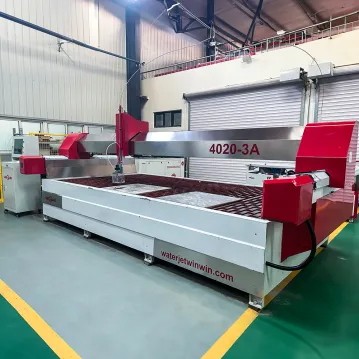
A waterjet cutting machine is a tool that uses a high-pressure stream of water to cut through materials. It can be used for cutting a wide range of materials, including metal, glass, stone, and composites.
How does a waterjet cutting machine work?
Waterjet cutting machines work by pressurizing water and forcing it through a small nozzle at high speeds. Abrasive particles can also be added to the water to enhance cutting capabilities.
What materials can be cut using a waterjet cutting machine?
Waterjet cutting machines can cut through materials such as metal, glass, ceramic, stone, rubber, composites, and more. They are versatile tools suitable for various industries.
What are the advantages of using a waterjet cutting machine?
Advantages of waterjet cutting include high precision, minimal material waste, no heat-affected zones, ability to cut intricate shapes, and environmentally friendly operation.
What is the difference between pure waterjet cutting and abrasive waterjet cutting?
Pure waterjet cutting uses only water for cutting softer materials, while abrasive waterjet cutting involves adding abrasive particles to the water stream for cutting harder materials like metal and stone.
What factors should be considered when choosing a waterjet cutting machine?
Factors to consider include cutting speed, cutting accuracy, material type and thickness, machine size, operating costs, maintenance requirements, and specific application needs.
What maintenance is required for a waterjet cutting machine?
Regular maintenance tasks include checking and replacing abrasive materials, monitoring water quality, inspecting seals and nozzles, and following manufacturer guidelines for upkeep.
Can a waterjet cutting machine be used for 3D cutting?
Yes, waterjet cutting machines can be used for 3D cutting to create complex shapes and contours in materials, making them suitable for various industries like aerospace and automotive.
What safety precautions should be taken when operating a waterjet cutting machine?
Safety precautions include wearing appropriate personal protective equipment, following machine-specific safety guidelines, ensuring proper training for operators, and maintaining a safe work environment.
What industries commonly use waterjet cutting machines?
Industries such as aerospace, automotive, manufacturing, engineering, architecture, metal fabrication, and stone cutting frequently utilize waterjet cutting machines for their precision cutting capabilities and versatility.