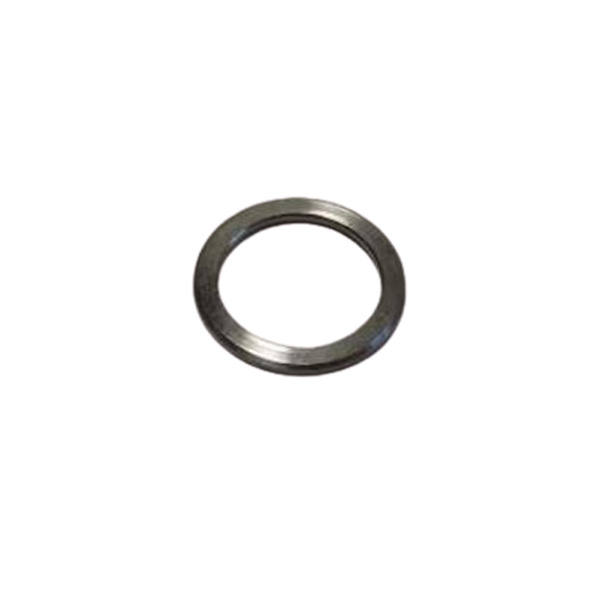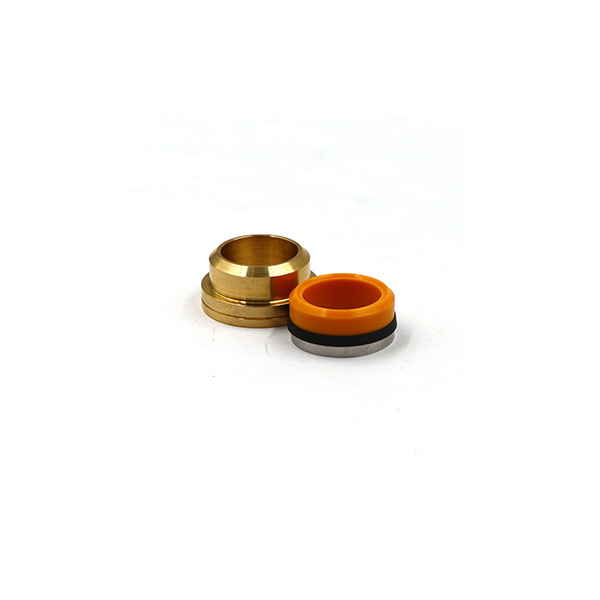
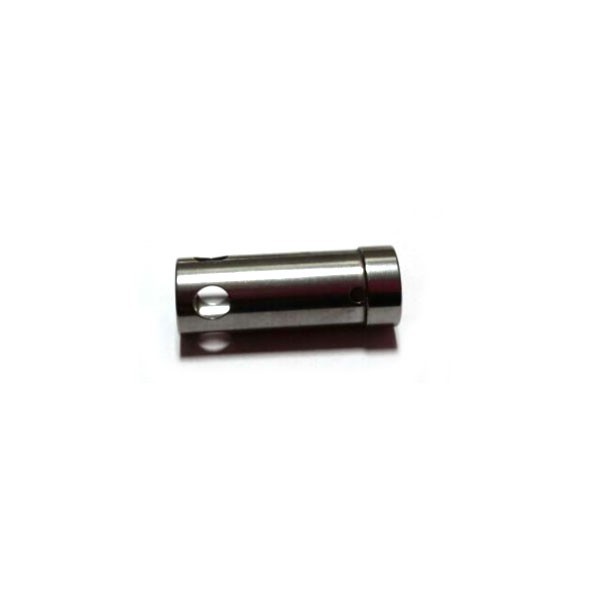
HT022004473-Piston
Product Name: Hydraulic Piston / Piston Assembly (Part No. HT022004/473)
Description:
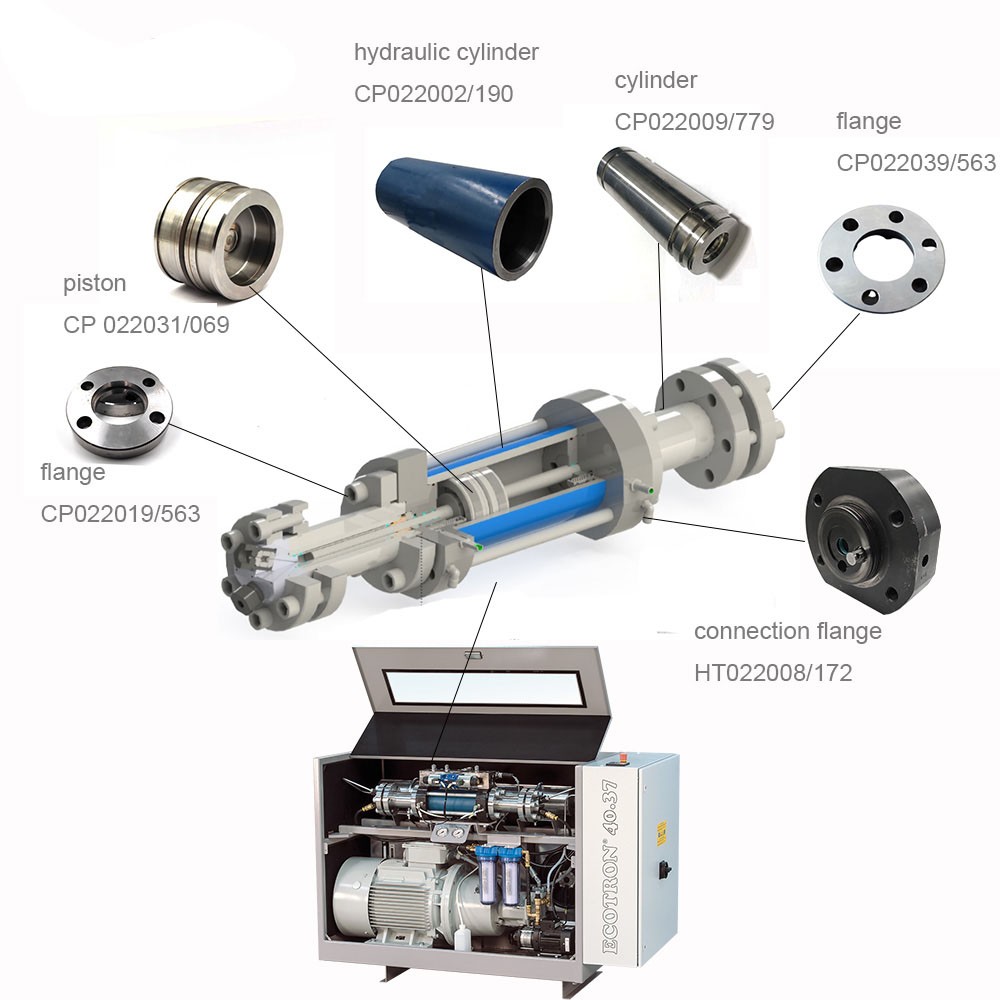
This component is a hydraulic piston assembly, specifically designed for high-pressure waterjet intensifier pumps . It is a precision-engineered component that serves as the core power conversion element within the intensifier's hydraulic cylinder . According to BFT parts diagrams for intensifier assemblies CP022001/2 and HT022012/172, this piston is listed as Item 3 and works in conjunction with components such as the cylinder, wear ring (XF56/220), piston sealing (XK121/220), and backup ring (CP022012/780) .
The piston's primary function is to convert hydraulic oil pressure into linear mechanical force. As hydraulic fluid is alternately directed to either side of the piston, it reciprocates within the cylinder, driving the high-pressure plunger assembly. This reciprocating motion compresses water to ultra-high pressures (typically 60,000-94,000 PSI / 4,137-6,480 bar), creating the cutting jet.
The piston is a highly stressed component at the very center of the pressure generation system. It must have high hardness and sufficient thickness to avoid extrusion deformation under extreme cycling . The piston assembly is classified as a major wear component; the piston itself is durable, but its seals and rings require periodic replacement.
Applications:
Serves as the primary power conversion element in BFT waterjet intensifier pumps
Converts hydraulic oil pressure into linear mechanical force to drive the high-pressure plunger
Used during scheduled preventive maintenance, major pump overhauls, or when piston seals fail
Suitable for ultra-high pressure waterjet systems operating at 60,000-94,000 PSI (4,137-6,480 bar)
Compatible with BFT intensifier assemblies CP022001/2 and HT022012/172
Features:
High-Strength Steel Construction: Manufactured from premium, fatigue-resistant steel to withstand extreme cyclic loading
Precision-Machined Seal Grooves: Engineered with accurate grooves for piston rings, wear rings, and dynamic seals
High-Pressure Rating: Designed for continuous operation at 4,137 bar (60,000+ PSI)
Critical Power Transmission Component: Directly responsible for driving the high-pressure plunger that generates cutting pressure
Semi-Wear Part Classification: The piston itself is not a high-wear consumable; however, it requires inspection for surface damage during major overhauls
Direct OEM Replacement: Interchangeable with BFT part number HT022004/473, listed as Item 3 in intensifier assembly parts diagrams
Maintenance:
Failure Diagnosis (When to Inspect/Replace):
Hydraulic Performance Issues: If the intensifier exhibits erratic cycling, reduced cutting pressure, or fails to maintain pressure, the piston seals may be worn
External Hydraulic Leakage: Visible oil weeping from the pump cylinder area indicates seal failure; the piston surface should be inspected for scoring
Water Contamination in Hydraulic Oil: Milky or discolored hydraulic oil may indicate seal failure allowing water intrusion past the piston seals
Visible Surface Damage: During pump overhaul, inspect the piston surface for scoring, galling, pitting, or uneven wear. Any visible damage warrants replacement
Scheduled Overhaul: It is standard practice to inspect the piston during major pump overhauls (typically every 4,500-5,000 operating hours) and replace it if any wear is detected
Inspection and Replacement Guidelines:
Full Depressurization (Critical): Before any maintenance, fully depressurize the waterjet system (high-pressure water, hydraulic system, and air supply) and follow lockout/tagout procedures
Clean Area Maintenance: Perform the rebuild in a designated clean area to prevent contamination of components with abrasive particles
Disassembly Sequence:
Remove the end bells and high-pressure cylinder from the intensifier stack
Remove the tie rods and separate the hydraulic cylinder assembly
Extract the piston assembly from the hydraulic cylinder bore
Thorough Cleaning: Clean the piston surface and seal grooves with a soft cloth and low-pressure water or compatible solvent. Remove all debris, old seal residue, and mineral deposits. Do not use abrasive tools
Dimensional Inspection: Measure the piston diameter at multiple points using a micrometer to detect uneven wear or out-of-round conditions
Seal Groove Inspection: Inspect the seal grooves for nicks, burrs, or damage that could compromise new seal installation
Cylinder Bore Inspection: Before installing a new piston, inspect the hydraulic cylinder bore for scoring, pitting, or wear. A damaged cylinder will rapidly destroy new piston seals
Lubrication: Apply a generous amount of clean hydraulic oil or manufacturer-recommended high-pressure grease to the piston and cylinder bore during reassembly to prevent dry start-up
Use Ring Compressor: When installing the piston with new piston rings, use a ring compressor to properly size the rings so they fit into the cylinder bore
Torque Compliance: When reinstalling the piston assembly and end bells, tighten the tie rod nuts in a crossing (staggered) pattern to the torque values specified in the equipment service manual
Replacement Criteria: Replace the piston immediately if visible scoring, pitting, galling, cracking, or significant uneven wear is detected. Do not attempt to repair a damaged piston
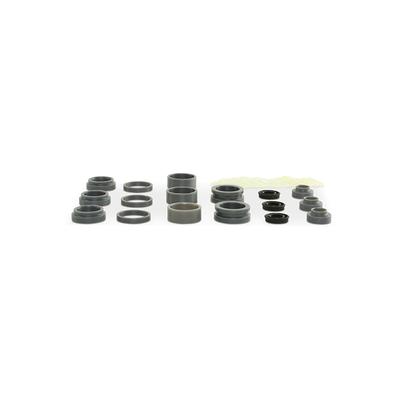
Replace as a Set: When servicing the hydraulic piston, it is recommended to replace all associated seals (wear ring XF56/220, piston sealing XK121/220, backup ring CP022012/780) simultaneously using a complete repair kit
Cross-Reference Information:
BFT #: HT022004/473
Also known as: Piston, HT022004473
Works with: Cylinder (CP022002/190), Wear Ring (XF56/220), Piston Sealing (XK121/220), Backup Ring (CP022012/780)
Compatible with: BFT, WJS, Maximator Jet, STM, Intermac Primus waterjet intensifier systems