oil-heat-sensor-for-waterjet-intensifier-pump
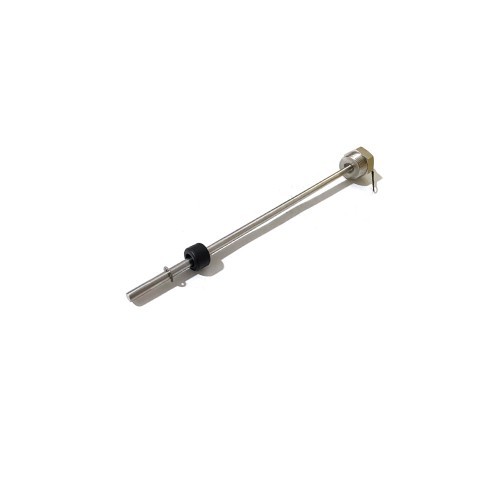
Product Name: Oil Heat Sensor / Hydraulic Oil Temperature Sensor (P/N: Oil Heat Sensor for Waterjet Intensifier Pump)
Description:
The Oil Heat Sensor (commonly referred to as part number Oil Heat Sensor for Waterjet Intensifier Pump) is a critical monitoring component located in the hydraulic system of a waterjet cutting machine . Its primary function is to continuously measure the temperature of the hydraulic oil circulating through the intensifier pump .
As part of the pump's safety and control logic, this sensor works with the PLC controller to maintain optimal operating conditions. If the oil temperature exceeds a safe threshold (typically triggering a "Oil Temp High" alarm), the control system will automatically shut down the pump to prevent damage to seals, hydraulic components, and the intensifier itself . The sensor is typically immersed directly in the hydraulic fluid within the reservoir or manifold .
Applications:
Monitoring hydraulic oil temperature to ensure it stays within the recommended operating range (typically 40-50°C / 104-122°F).
Triggering automatic shutdown of the high-pressure pump in the event of overheating .
Providing real-time temperature data to the machine's control console for operator monitoring .
Used in conjunction with cooling systems to ensure the cooling water circuit is functioning correctly .
Features:
Combination Unit: Often integrated with the low oil level switch into a single "Combination Level/Temp Switch" to save space and simplify installation .
Real-time Monitoring: Displays current oil temperature on the PLC or HMI control panel .
Automatic Protection: Part of the pump's comprehensive fault detection logic; triggers an alarm and shutdown sequence if temperatures become dangerously high .
Durable Construction: Designed to withstand the high vibration, pressure fluctuations, and warm, humid environment of the waterjet pump room.
Maintenance:
Failure Diagnosis:
System Shutdown: If the pump shuts down and the control panel displays an "Oil Temp High" or similar over-temperature fault, the sensor may be reading accurately (indicating a real cooling issue) or the sensor itself may be faulty.
Inaccurate Readings: If the temperature displayed on the console seems inconsistent with the physical feel of the hydraulic components (e.g., display reads very high but components are cool to the touch), the sensor may be out of calibration.
No Reading / Error Code: An open circuit or short circuit in the sensor wiring will typically generate a specific sensor fault code on the display.
Visible Damage: Inspect the sensor probe and electrical connector for cracks, corrosion, or damage.
Testing and Replacement Guidelines:
Full Depressurization (Critical): Before any maintenance, place the main electrical disconnect in the OFF position, fully depressurize the high-pressure water system, and follow lockout/tagout procedures.
Check Cooling System First: Before replacing the sensor, verify the root cause is not a genuine overheating issue. Check the cooling water supply, the heat exchanger (cooler) operation, and the hydraulic oil level .
Resistance Test: Disconnect the sensor and measure its resistance. Compare the reading at ambient temperature to the manufacturer’s specification chart. A sensor that shows an open line or a short circuit is defective.
Wiring Inspection: Closely inspect the wiring harness and connector for any damage, corrosion, or loose pins. Faulty wiring is a common cause of sensor error codes.
Sensor Replacement: If the sensor is confirmed to be faulty, replace it with an exact OEM replacement part. Ensure the new sensor is properly seated and sealed to prevent fluid leaks. Use the correct thread sealant if required.
Set Screws: When installing, pay attention to the connector orientation; some sensors use a set screw or retaining nut to lock the connector in place. Refer to the equipment service manual for the proper tightening procedure to avoid damaging the new sensor or connector.
Note: The technical data for the oil heat sensor is integrated into the overall hydraulic system monitoring and safety shutdown logic of the waterjet pump .