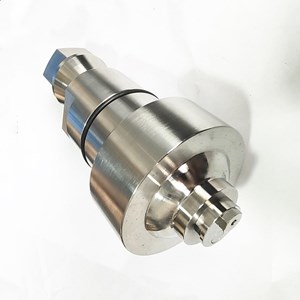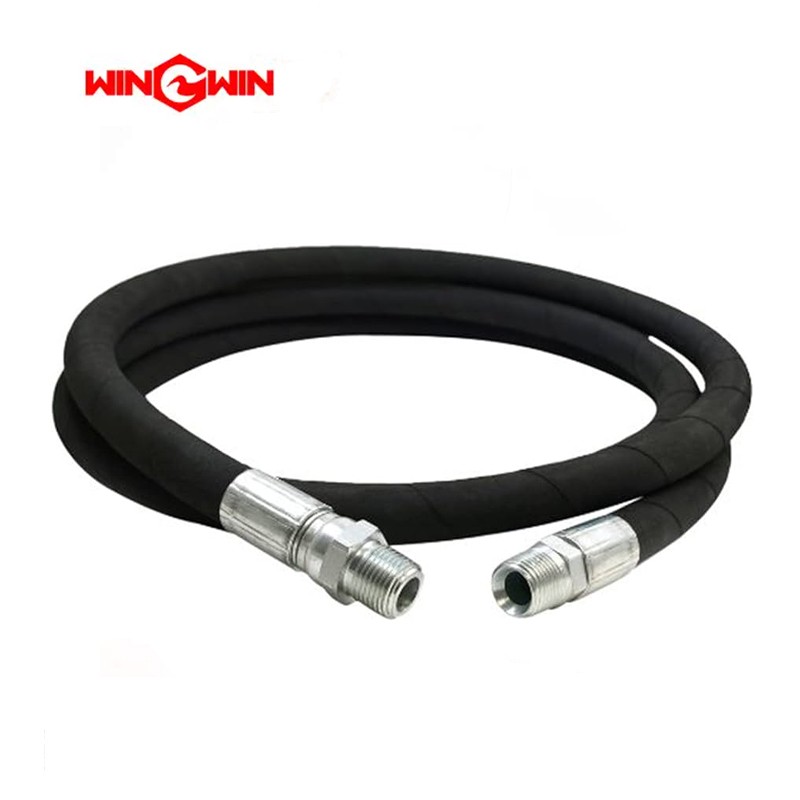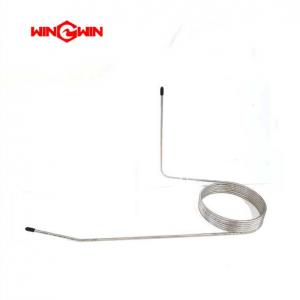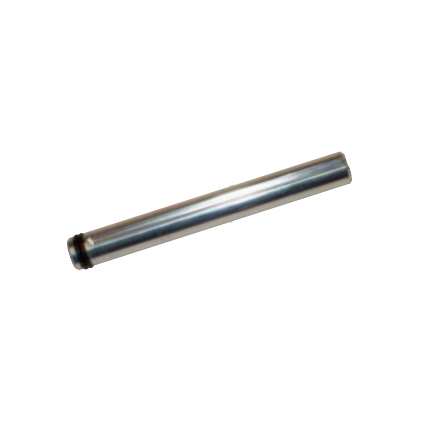
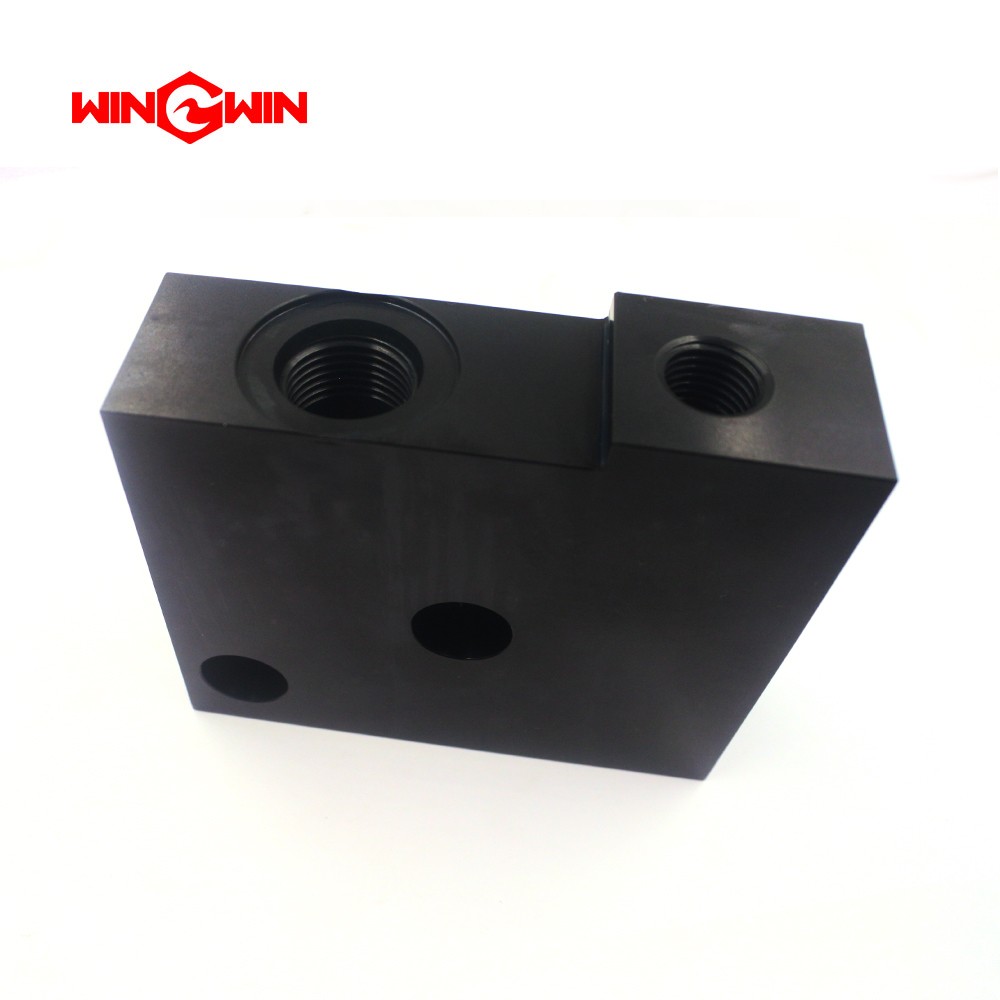
Head Valve Block / Valve Manifold
Product Name: Head Valve Block / Valve Manifold
Description:
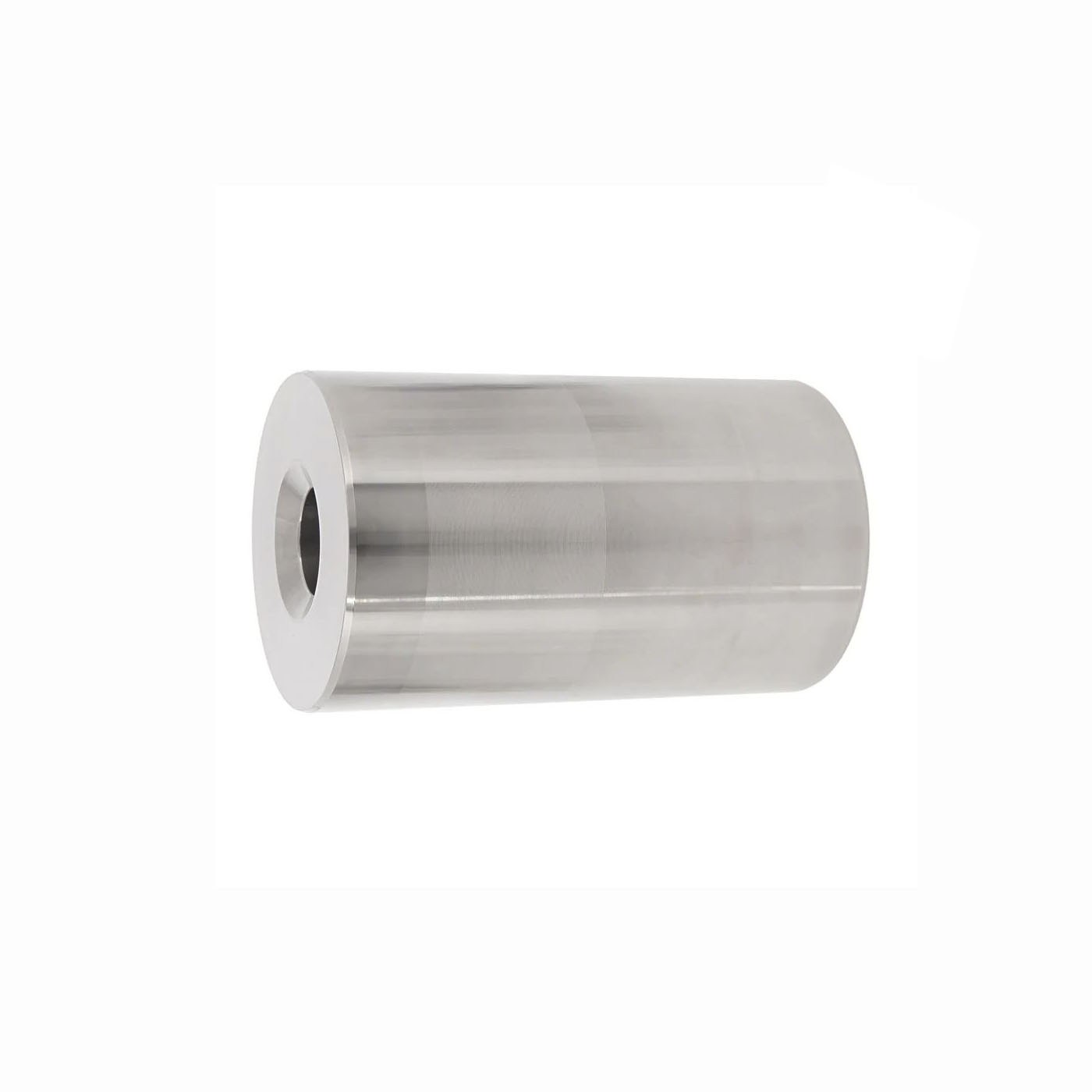
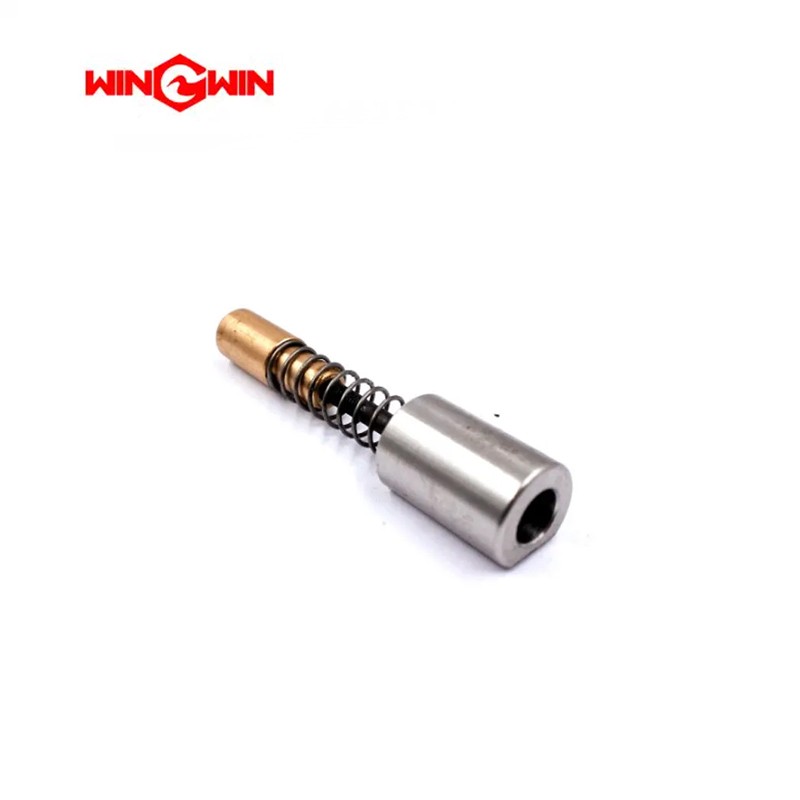
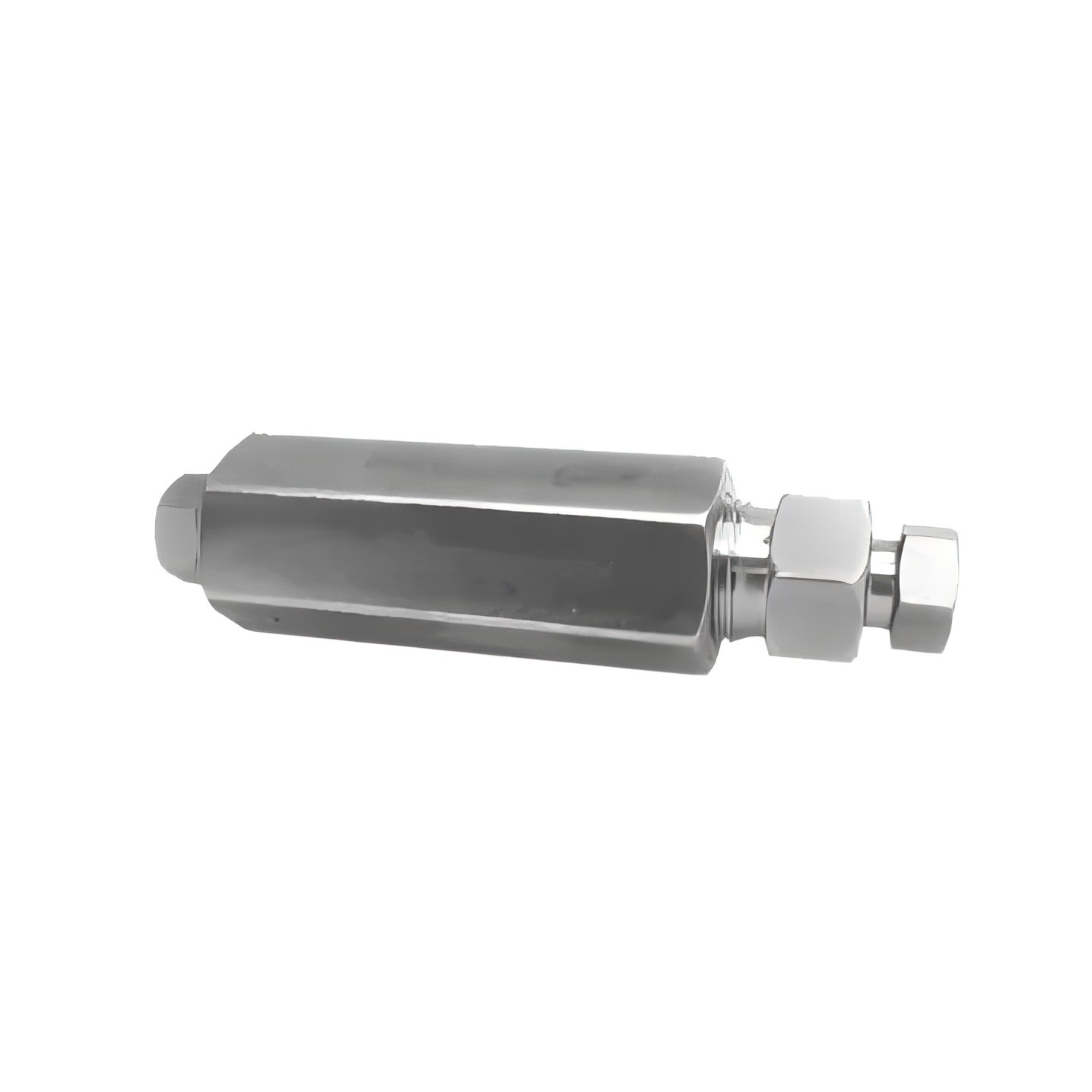
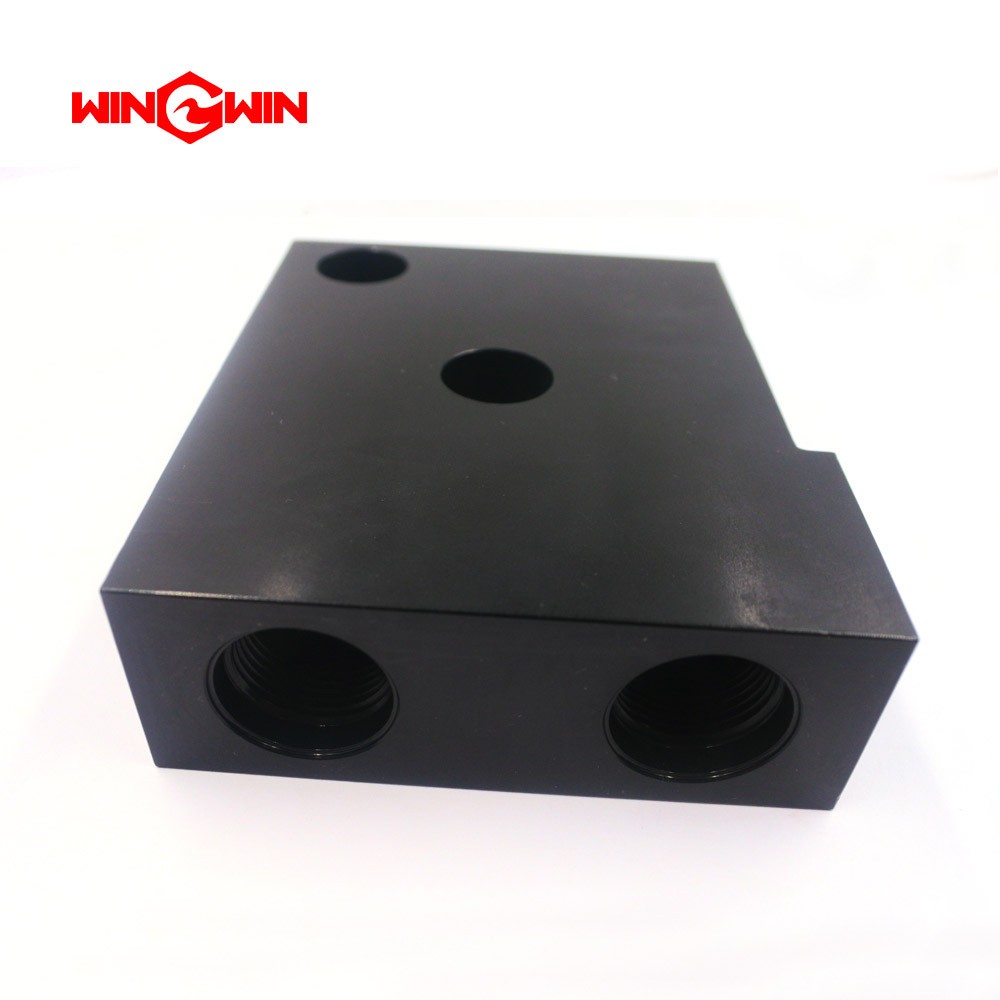
This component is a high-pressure hydraulic valve manifold, also known as a head valve block or control valve block, designed for waterjet intensifier pump assemblies. It is a precision-machined stainless steel or hardened alloy block that serves as the central fluid control hub, directing high-pressure water flow between the intensifier cylinder, on/off valve, and cutting head. The valve block contains internal flow passages and precision-bored cavities that house directional control valves, poppets, and seal cartridges. It is rated for continuous operation at 60,000–90,000 PSI (approximately 4,137–6,200 bar).
Applications:
Mounted on the intensifier pump assembly as the primary high-pressure water switching manifold
Controls the on/off cycles of ultra-high-pressure water flow to the cutting head
Suitable for 3-axis, 4-axis, and 5-axis waterjet cutting systems
Functions in both abrasive and pure water cutting applications requiring precise flow control
Features:
Precision-Machined Internal Porting: Complex cross-drilled flow passages direct high-pressure water with minimal turbulence and pressure loss
Integrated Valve Seats: Hardened steel seats for valve poppets ensure leak-tight shut-off under extreme pressure
High-Strength Material: Manufactured from corrosion-resistant stainless steel or high-tensile alloy to withstand millions of pressure cycles
Standard High-Pressure Ports: Industry-standard threads for easy integration with intensifier cylinders and cutting head hoses
Pilot-Operated Design: Utilizes a small solenoid valve to control the main valve spool for fast response times
Maintenance:
Regular Inspection: Remove valve block during scheduled service to inspect internal passages for erosion, pitting, or scoring
Poppet and Seat Replacement: Replace internal sealing surfaces (poppets and seats) when valve fails to seal completely or cycle response slows
Seal Replacement: Always replace all O-rings and backup rings each time the valve block is disassembled. Do not reuse old seals
Surface Cleaning: Clean valve body and internal cavities with low-pressure water and soft nylon brushes. Do not use metal tools or abrasives
Full Depressurization: Always fully depressurize waterjet system before removing or servicing the valve block. Follow lockout/tagout procedures
Torque Compliance: Tighten mounting bolts and cartridge nuts to specific torque values using a staggered pattern
Thread Lubrication: Apply high-pressure thread lubricant to threads during reassembly to prevent galling
Replacement Criteria: Replace valve block if internal port erosion is excessive, threads are damaged, cracks are detected, or valve fails after multiple seal replacements