
News
-
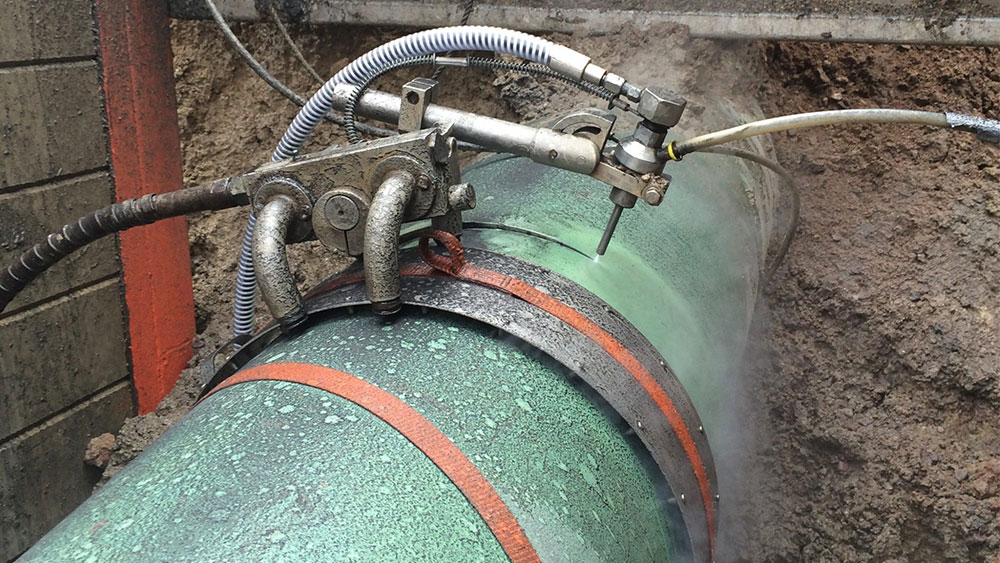
Can a waterjet cut pipes and tubes and how is it done?
Abrasive waterjet cuts pipes with rotary chucks or rotating heads, handling thick-walled and heat-sensitive materials without heat distortion. Winwin offers complete waterjet pipe-cutting systems and worldwide after-sales service.Read more -
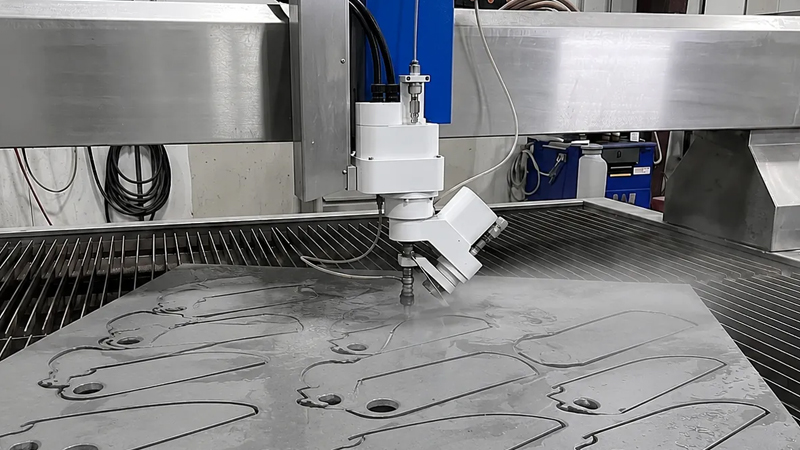
What is the lifespan of a waterjet machine and when does it need an overhaul?
A waterjet lasts 10–15 years with proper care. The intensifier needs overhaul around 10,000 hours; mixing tubes and orifices are consumables. Good maintenance extends life by 30–50%.Read more -
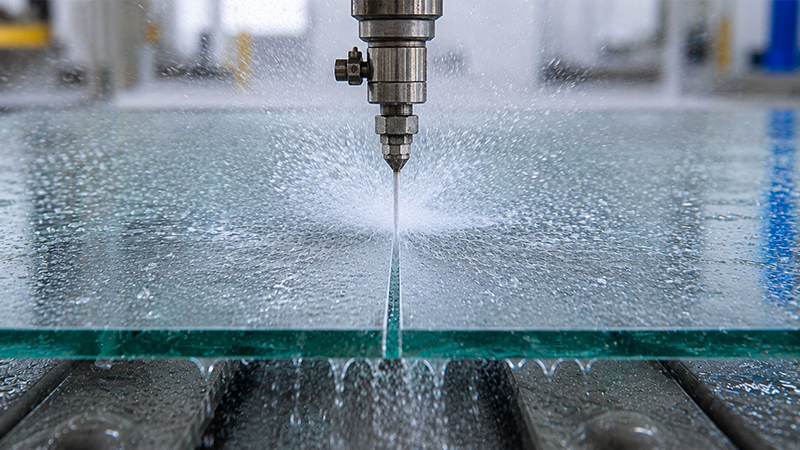
Can a waterjet cut glass and ceramics without cracking?
Abrasive waterjet cuts glass and ceramics without cracking. Cold cutting avoids thermal stress. Proper piercing control gives near-zero crack rate. Ideal for architectural glass and electronic ceramics.Read more -
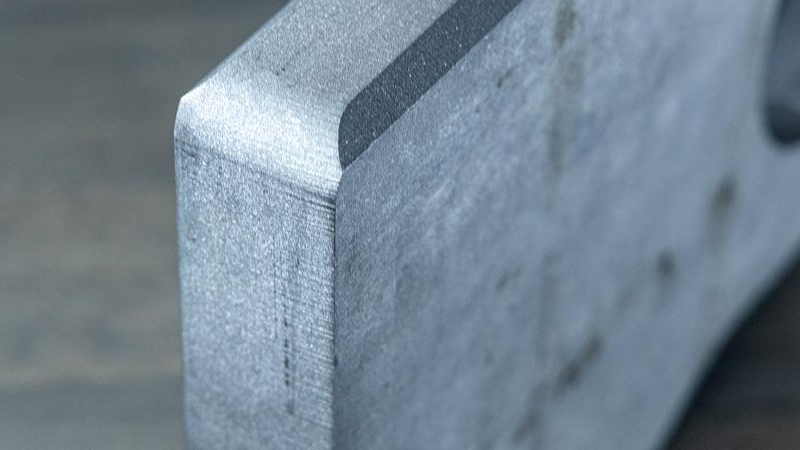
Can a waterjet cut bevels and how is bevel cutting achieved?
A 5-axis waterjet enables bevel cutting with head tilt up to ±68 degrees. It supports V, Y, X, K bevels without secondary machining, with no heat-affected zone. Ideal for thick plate weld preparation.Read more -

What Is the Difference Between Gantry-Type and Cantilever-Type Waterjet Cutters? How to Choose?
Gantry type offers high rigidity and accuracy for large thick plates; cantilever type is compact and economical for small to medium parts. Choose by material, thickness, precision, and budget. Winwin provides waterjet equipment and global after-sales service.Read more -

What abrasive does a waterjet use? What garnet mesh sizes are available and how do I choose?
Waterjet cutting uses garnet abrasive, available in 50–320 mesh. Coarser mesh cuts thick materials faster; finer mesh gives smoother edges on thin materials. Choose based on thickness, edge quality, and speed.Read more
