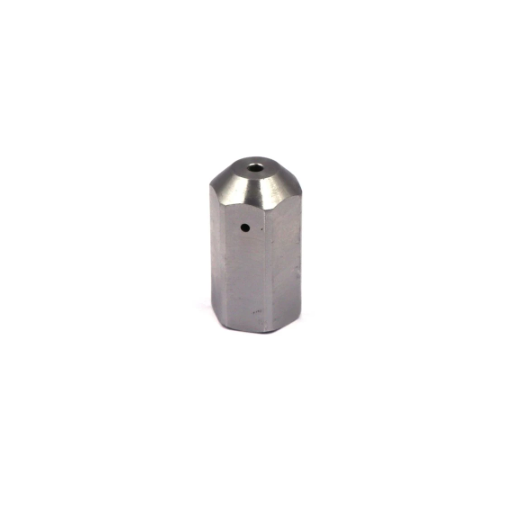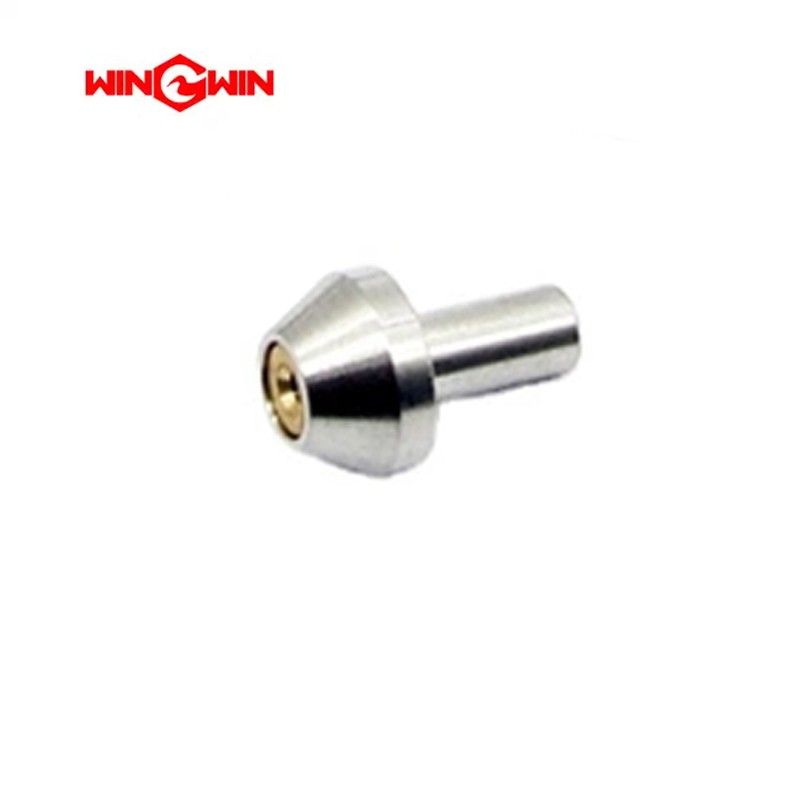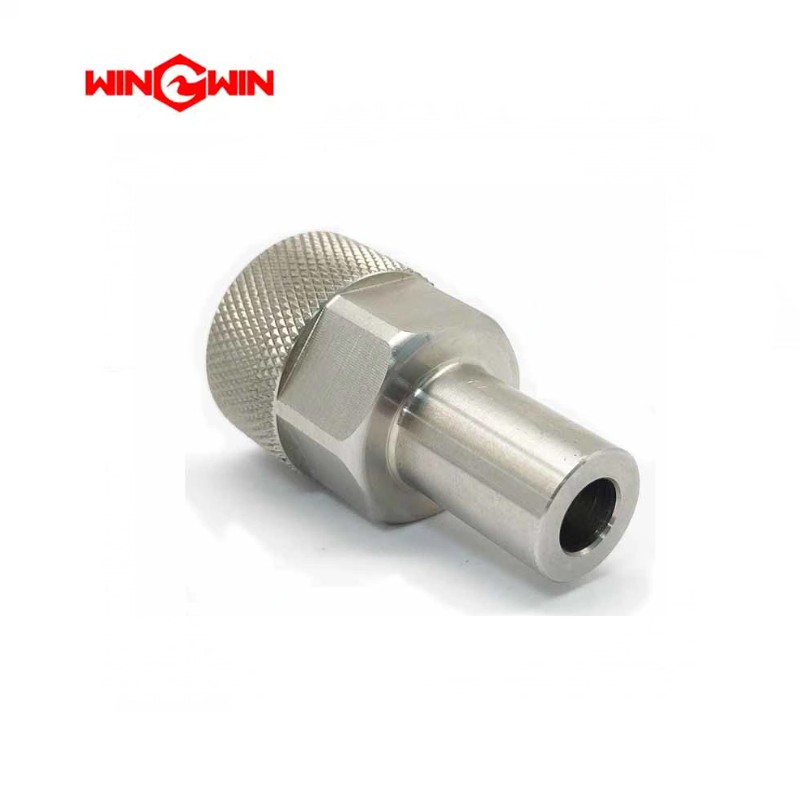
80073646 Waterjet Cutter Cylinder Nut
English Translation of Title:
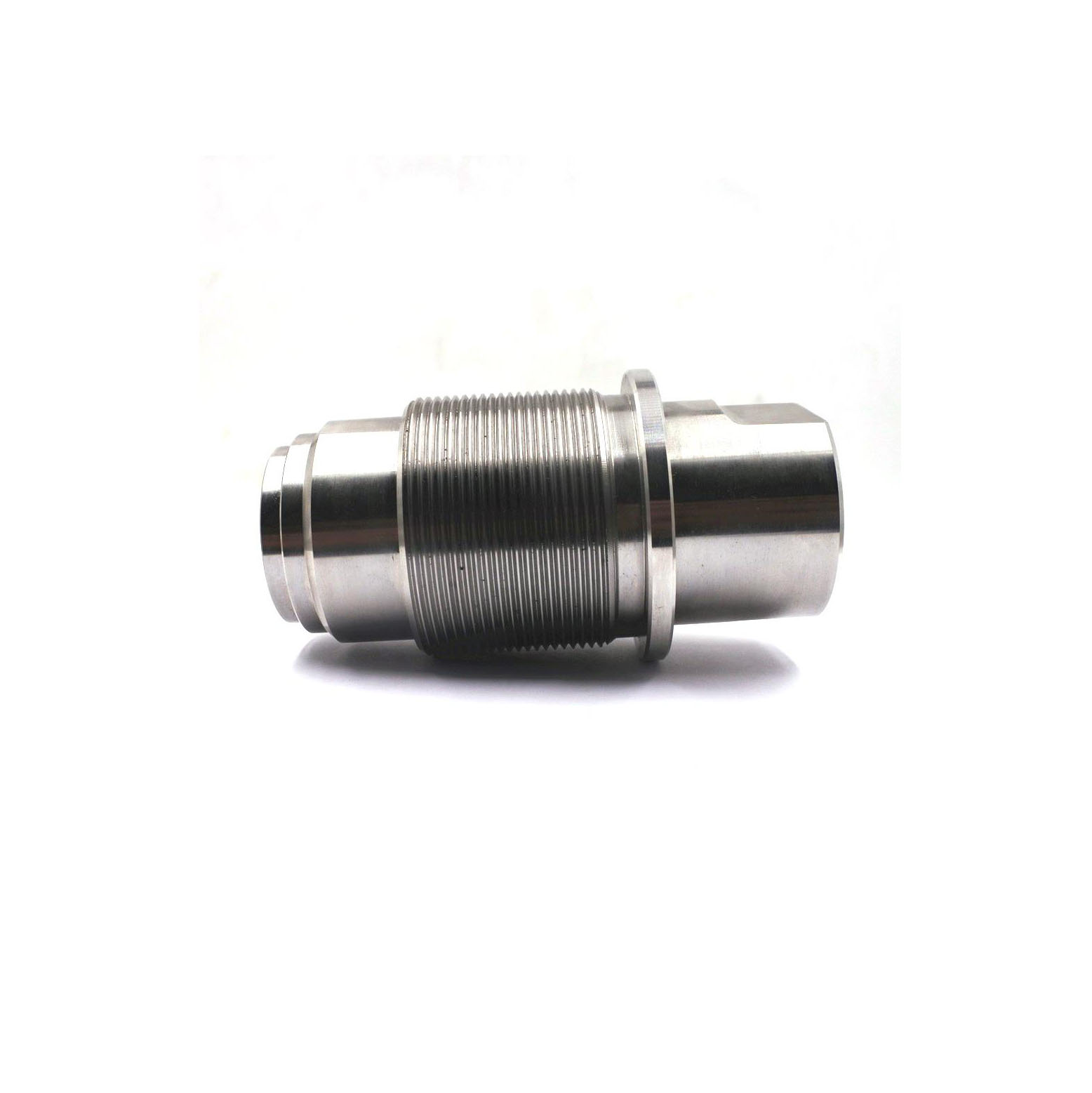
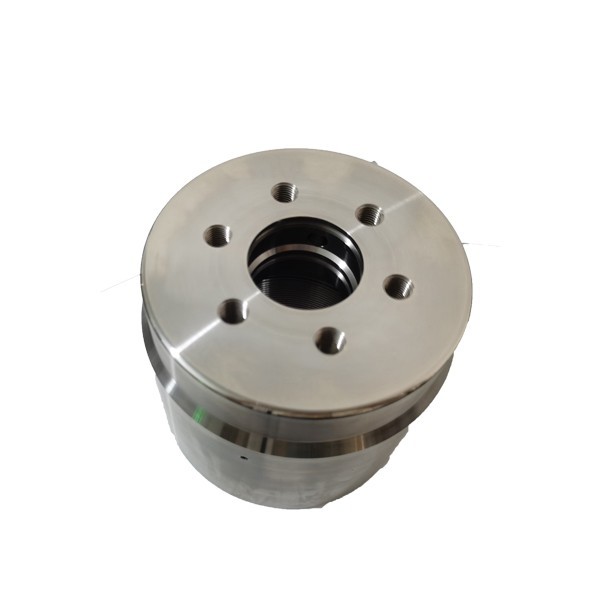
High-Pressure Cylinder Nut for Water Jet Cutting Machine Parts – Model No. 80073646-Nut-High-Pressure-Cylinder.2073.3-1
Introduction, Application, Features, and Maintenance:
This component is a high-pressure cylinder nut, also known as an end cap or retaining nut, designed specifically for the high-pressure cylinder assembly of a waterjet intensifier pump .
Application:
Used to secure and retain the high-pressure cylinder assembly within the intensifier pump of a waterjet cutting system. This nut is installed at one end of the high-pressure cylinder, serving as a critical mechanical fastener. It holds internal components such as the high-pressure seals, the ceramic liner, and the spacer in place against extreme pressure forces . Low-pressure water is typically introduced into the assembly via a port on this nut, connecting the water supply to the high-pressure cylinder .
Features:
Designed to secure and pre-load the high-pressure cylinder assembly.
Withstands the extreme operational pressures typical of waterjet intensifiers, up to 4,137 bar (60,000 PSI) .
Provides a critical sealing interface to contain high-pressure water.
Features a precise thread design, which is the most vulnerable part during assembly and disassembly .
Typically manufactured from high-strength, corrosion-resistant steel.
Maintenance:
The cylinder nut is not considered a high-wear part and can last a long time if threads are kept clean and sanitary .
Regular inspection for thread damage, galling, or corrosion is essential .
During installation, it is critical to tighten the nut following the specified torque procedure. For units using a standard 3/4 inch plunger, a two-stage torque method is often required: first torque to 27 Nm, then to 43–47 Nm, with a maximum design torque of 51 Nm . Note: Torque values may vary by model.
Use a suitable anti-seize compound on the threads to prevent galling.
Replace the nut immediately if the threads are damaged or if it shows signs of stress fractures .