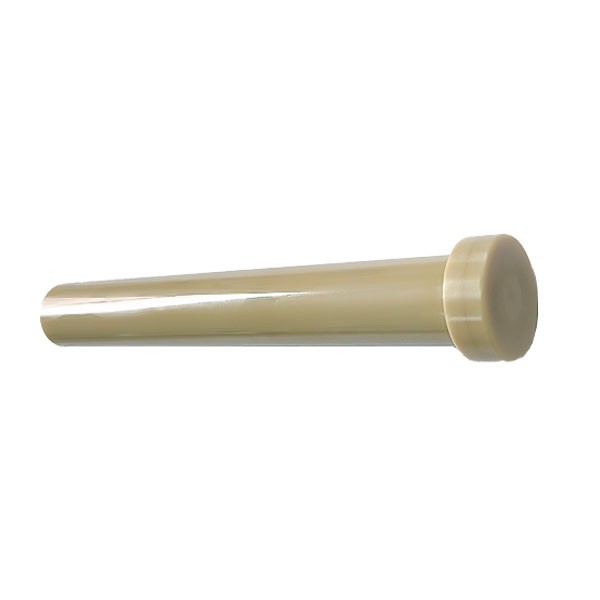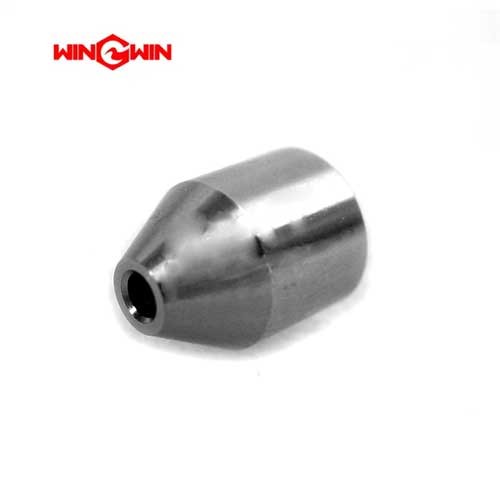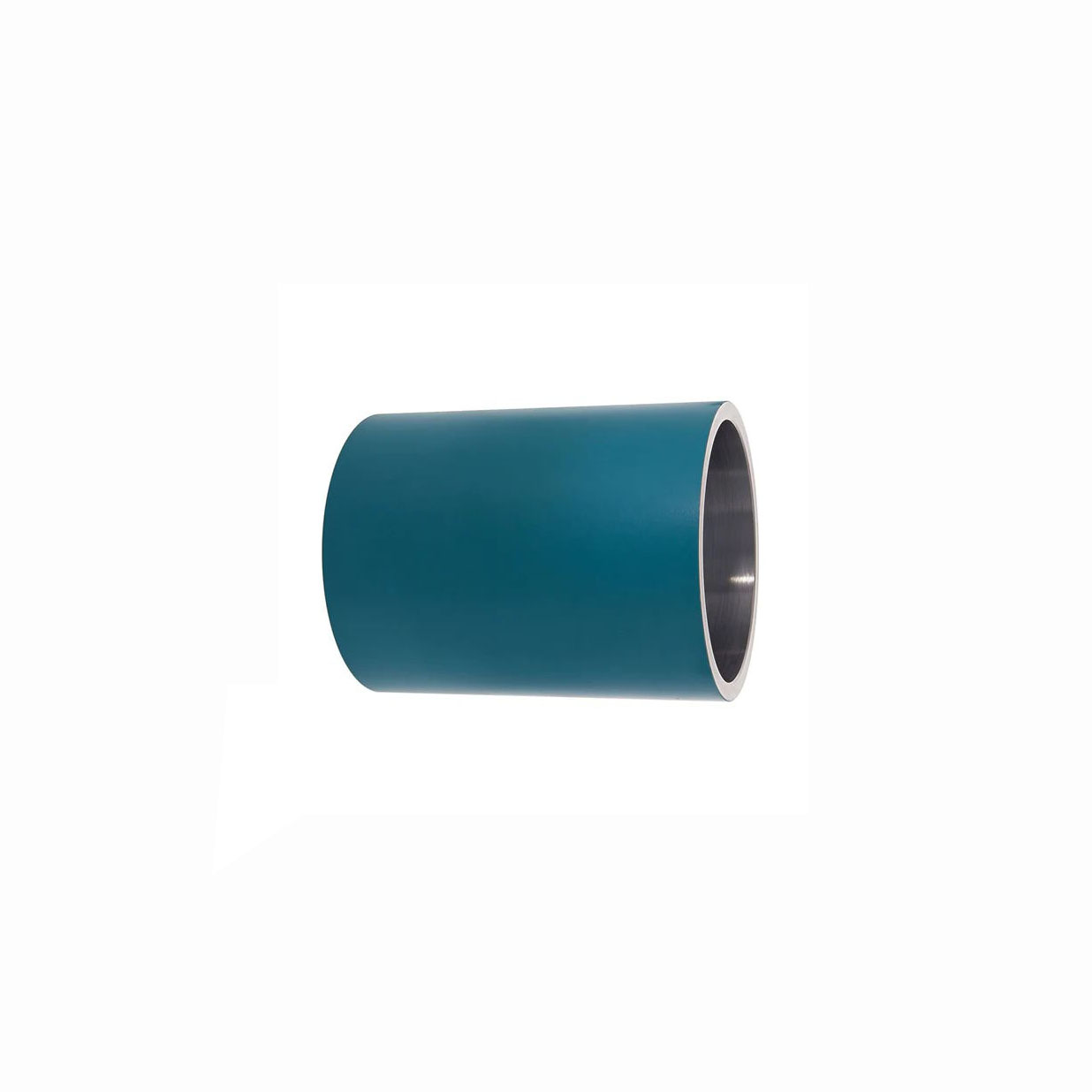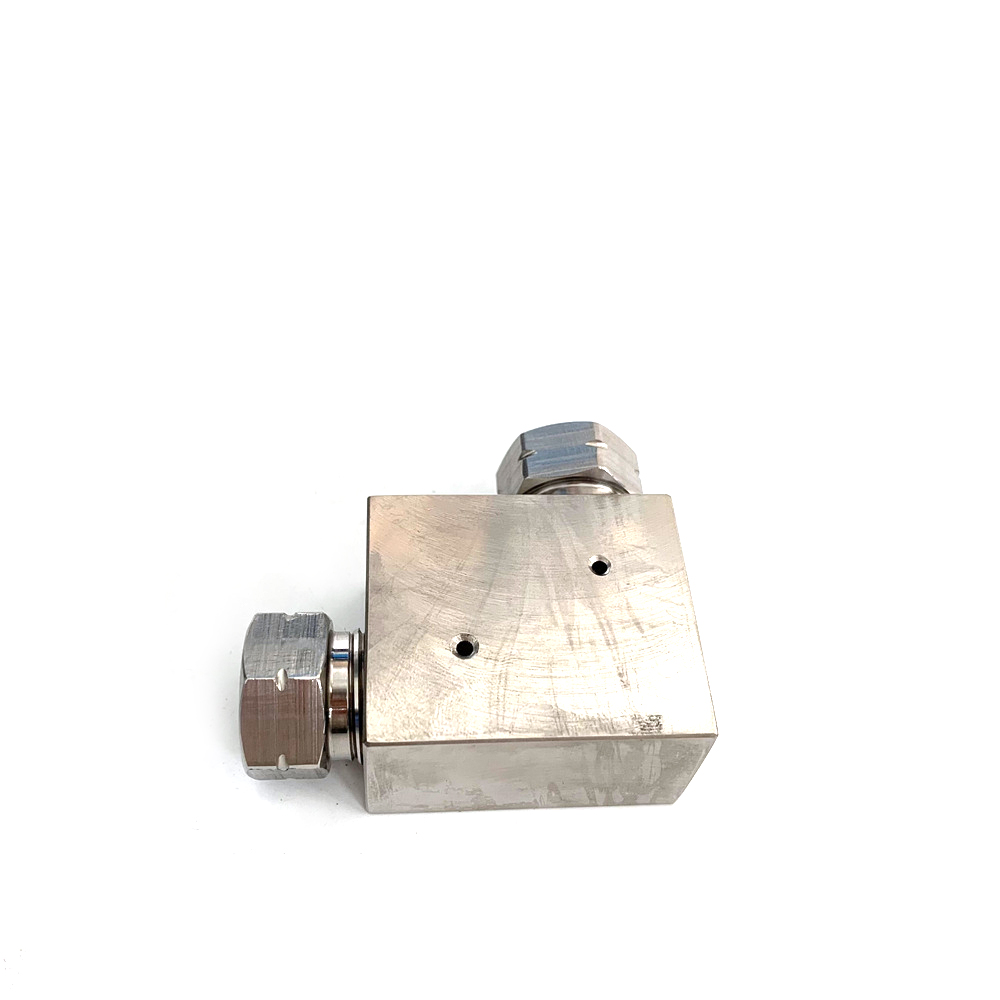
72158486 Piston Pump
English Translation of Title:
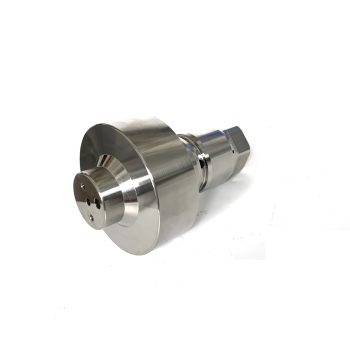
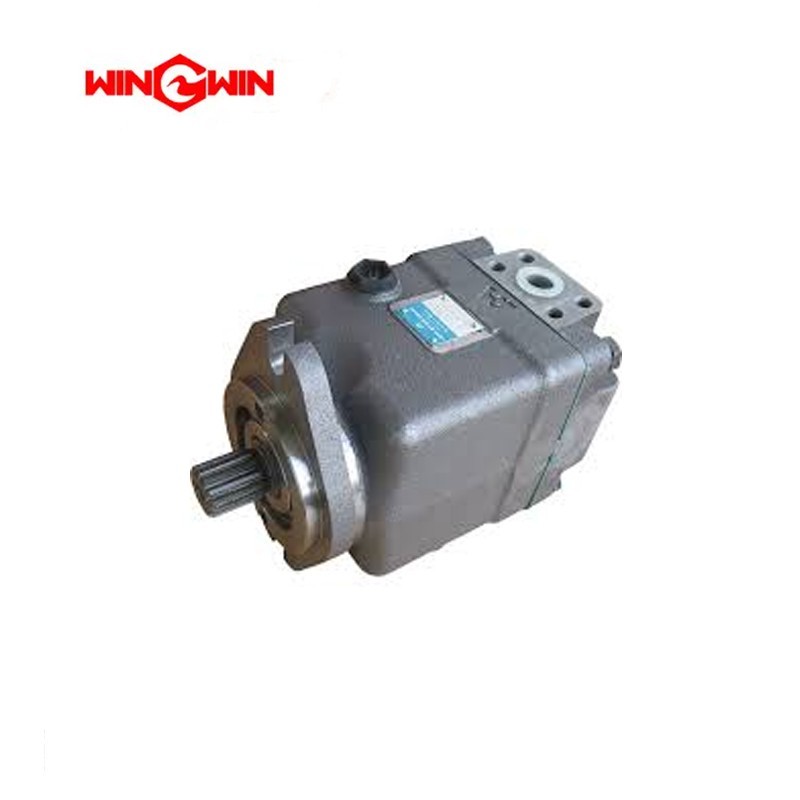
Piston Pump for Water Jet Cutting Machine Parts – Model No. 72158486-Piston-Pump.1284.3-1
Introduction, Application, Features, and Maintenance:
This component is a piston pump designed for water jet cutting systems. In waterjet technology, piston pumps—often implemented as intensifier pumps—are critical for generating the ultra-high water pressures required for cutting. These pumps operate by using a large hydraulic piston to drive a smaller plunger, intensifying the pressure to levels between 60,000 and 90,000 PSI (4,100 to 6,200 bar). The pump converts hydraulic oil pressure into high-pressure water by driving plungers back and forth, with hydraulic oil controlling piston position and water pressure.
Application:
Used to generate the high-pressure water stream essential for abrasive waterjet cutting. The pump is the core component of the waterjet system's power unit, feeding ultra-high pressure water to the cutting head for material processing. It is typically used in both direct-drive and intensifier pump configurations to produce the required cutting pressures.
Features:
High-Pressure Generation: Capable of producing pressures from 4,000 bar to over 6,000 bar (58,000–87,000 psi).
Intensification Principle: Uses a large-area piston to drive a smaller plunger, converting low hydraulic pressure into ultra-high water pressure.
Durable Construction: Built with high-strength materials to withstand extreme pressures and abrasive wear.
Precision Control: Often equipped with servo motors or advanced controls for precise pressure and flow regulation.
Thermal Efficiency: Some modern designs achieve high energy efficiency by reducing idle consumption.
Maintenance:
Regular Inspection: Routinely check the hydraulic piston assembly, seals, and plungers for wear, scoring, or deformation.
Seal Replacement: Replace piston seals and O-rings as part of scheduled maintenance—these are wear items that degrade under high pressure and friction.
Component Overhaul: Due to extreme operating conditions, the pump may require disassembly every 300–500 operating hours to replace piston packings and inspect internal components.
Monitoring: Keep an eye on system pressure stability and hydraulic oil levels; pressure drops or erratic cutting performance may indicate pump wear.