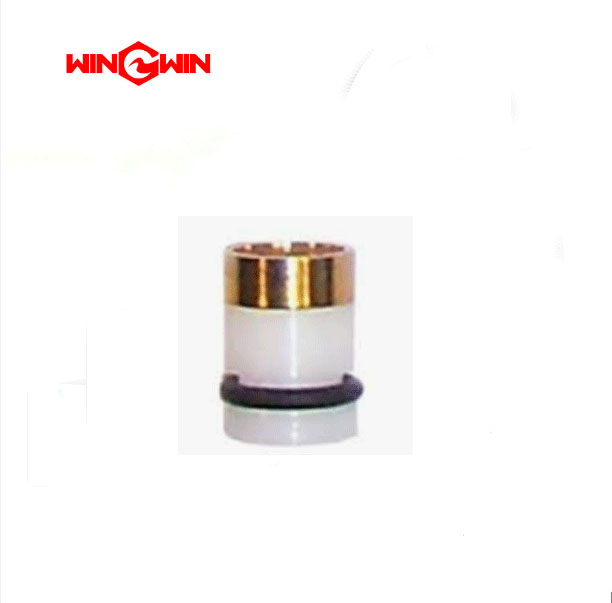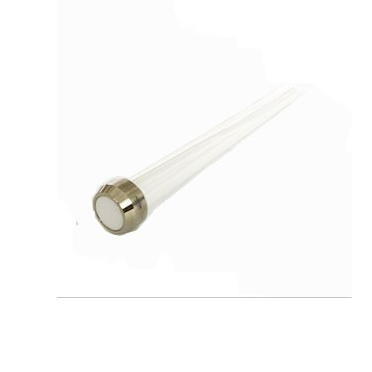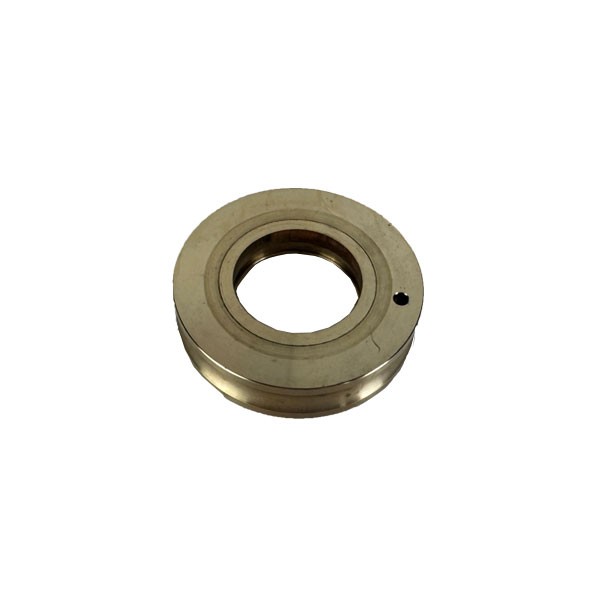
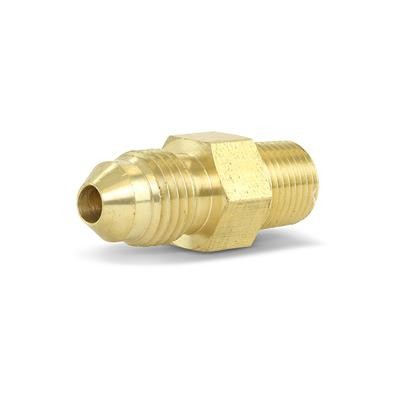
Check Valve Water Fitting 201515
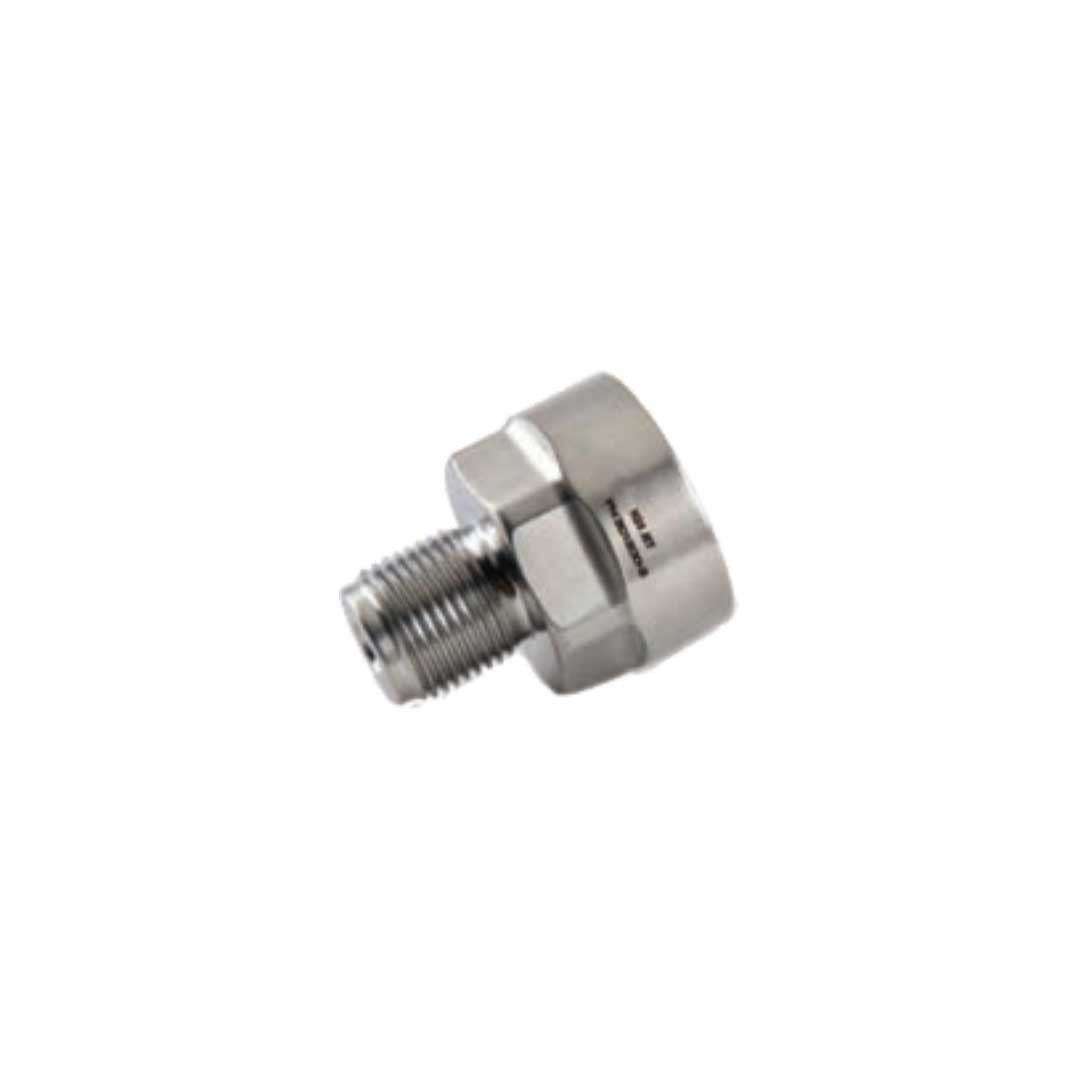
Product Name: Check Valve Water Fitting / High-Pressure Port Adapter (Part No. 201515)
Description:
This component is a high-pressure water fitting, also known as a port adapter or inlet/outlet connector, specifically designed for the check valve assembly in waterjet intensifier pumps . It is a precision-machined stainless steel fitting that serves as the fluid interface between the check valve body and the high-pressure water line or hydraulic hose . The fitting typically features a 9/16-18 UNF high-pressure port on one end and threads into the check valve body on the other, using a cone seat design for metal-to-metal sealing.
This component is rated for continuous operation at 60,000–94,000 PSI (approximately 4,137–6,480 bar) and is a critical part of the high-pressure fluid pathway. It is commonly included in check valve maintenance and repair kits for waterjet intensifier systems .
Applications:
Connects high-pressure water lines to the check valve assembly in waterjet intensifier pumps
Provides the inlet or outlet fluid interface for check valves in both hydraulic and water circuits
Suitable for ultra-high pressure waterjet systems operating at 60,000 PSI and above
Used during check valve servicing, repair, or complete system overhaul
Features:
High-Strength Stainless Steel Construction: Provides excellent corrosion resistance and structural integrity under extreme pressure cycling
Cone Seat Sealing Design: Utilizes a precision-machined 60-degree cone surface for reliable metal-to-metal sealing against mating high-pressure tubing
Standard High-Pressure Threads: Features industry-standard threads (typically 9/16-18 UNF) for compatibility with common waterjet plumbing
OEM Compatibility: Direct replacement part for OMAX #201515 and AccuStream systems
Critical Interface Component: Serves as the connection point between the check valve internal sealing stack and the external high-pressure piping
Maintenance:
Failure Diagnosis:
External Water Leakage: High-pressure water weeping from the fitting connection indicates a failed cone seat seal, loose connection, or damaged threads
Pressure Drop: Inability to maintain cutting pressure may indicate the fitting is not properly sealed against the check valve body
Thread Galling: Stainless steel threads may seize or gall due to high pressure and lack of lubrication
Cone Seat Damage: Nicks, scratches, or deformation on the cone sealing surface will cause immediate leakage
Inspection and Replacement Procedures:
Full Depressurization (Critical): Before any maintenance, fully depressurize the waterjet system, close the water supply, and follow lockout/tagout procedures to prevent severe injury from high-pressure water release
Thread Inspection: Carefully inspect threads for wear, galling, corrosion, or cross-threading. Damaged threads must be replaced immediately
Cone Seat Inspection: Examine the 60-degree cone sealing surface for nicks, scratches, pitting, or deformation. Any damage compromises sealing integrity
Torque Compliance: Tighten the fitting to the specific torque value listed in the equipment service manual. Over-tightening can deform the cone seat; under-tightening causes leaks
Thread Lubrication: Apply a thin layer of high-pressure thread lubricant or anti-seize compound to threads during reassembly to prevent galling and ensure accurate torque application
Seal Replacement: When reinstalling, ensure any associated O-rings or sealing washers are replaced with new components
Use Two-Wrench Method: Use two wrenches when tightening or loosening—one to hold the check valve body and one to turn the fitting. This prevents twisting stress on the valve assembly
Replacement Criteria: Replace the fitting immediately if threads are damaged, the cone seat is scored or deformed, cracks are visible, or if leakage persists after proper installation
Cross-Reference Information:
OMAX #201515
Interchangeable with standard waterjet check valve port adapters
Commonly included in check valve repair kits and maintenance packages