Static Seal 300733
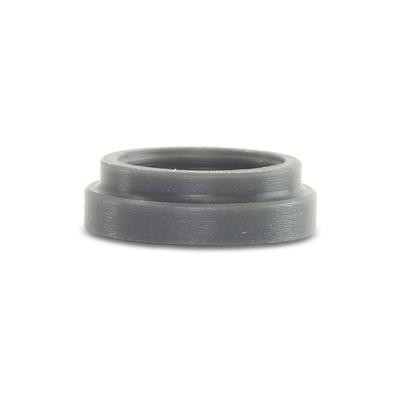
Product Name: Static Seal (Part No. 300733)
Description:
This component is a precision-engineered static sealing element, specifically designed for ultra-high pressure waterjet intensifier pumps and manifold systems . It is installed between fixed components such as check valve bodies, port adapters, high-pressure cylinder interfaces, and manifold connections where relative motion does not occur .
The static seal is manufactured from premium elastomer compounds such as Viton (FKM) or Buna-N (NBR), offering exceptional compression set resistance, chemical compatibility, and thermal stability . Under ultra-high pressure conditions, the seal deforms to fill microscopic surface irregularities on the mating components, creating a leak-proof barrier that prevents hydraulic fluid or high-pressure water from escaping .
This sealing component provides "self-energizing" characteristics: as system pressure increases, the sealing force against the mating surfaces also increases, ensuring reliable sealing performance under extreme operating conditions up to 60,000 PSI (approximately 4,137 bar) . The static seal is a non-wearing component under normal conditions but requires replacement during maintenance if damaged or degraded.
The Static Seal 300733 is an OEM direct replacement part fully compatible with major waterjet system brands, including KMT, FLOW, OMAX, WSI, and BFT . It is also included as a standard component in Minor Rebuild Kits (302700) and other manufacturer maintenance packages .
Applications:
Installed between fixed components (check valve bodies, port adapters, manifolds) in waterjet intensifier pumps
Seals stationary interfaces in the high-pressure water circuit and hydraulic system
Prevents water or hydraulic fluid leakage at static connections
Suitable for ultra-high pressure waterjet systems operating at 60,000 PSI and above
Features:
Static Sealing Design: Specifically engineered for non-moving applications where precision fit and sealing integrity are essential
Premium Elastomer Construction: Manufactured from Viton (FKM) or Buna-N (NBR) for chemical compatibility and pressure durability
Self-Energizing Action: Sealing force increases proportionally with system pressure
High-Pressure Rating: Engineered for continuous operation at 60,000+ PSI (4,100+ bar)
OEM Compatibility: Direct replacement for OMAX #300733, AccuStream 1-11990
Temperature Resistance: Performs reliably across a wide temperature range (-60°C to +200°C depending on material selection)
Maintenance:
When to Replace (Failure Diagnosis):
External Water Leakage: Visible water weeping from the port adapter or check valve connection area indicates static seal failure requiring immediate replacement
Pressure Drop: Inability to maintain rated cutting pressure may indicate seal degradation or compression set loss
Visible Damage During Inspection: Inspect the seal for signs of nicks, cuts, flattening (compression set), hardening, or cracking
Material Degradation: Discoloration, swelling, or softening of the seal material indicates chemical incompatibility or age-related degradation
Scheduled Maintenance: The static seal is classified as a "Replace" component during Minor Maintenance and Major Maintenance procedures, as documented in manufacturer service guides
Inspection and Replacement Guidelines:
Single-Use Component: The static seal is a consumable sealing element. Always replace with a new one whenever the mating assembly (port adapter, check valve body, or manifold) is disassembled during maintenance
Clean Installation: Before installing a new seal, thoroughly clean the sealing groove and mating surfaces with a soft cloth. Remove all debris, old seal residue, mineral deposits, and corrosion
Groove Inspection: Inspect the seal groove for nicks, burrs, sharp edges, or damage that could cut or abrade the new seal
Lubrication: Apply a thin, uniform layer of manufacturer-recommended high-pressure grease to the seal during installation to prevent pinching, rolling, or tearing during assembly
Seating Verification: Ensure the seal is correctly seated in its groove without twisting or warping before reassembling mating components
Full Depressurization: Always fully depressurize the waterjet system (high-pressure water, hydraulic system, and air supply) and follow lockout/tagout procedures before disassembling any static seal interface
Torque Compliance: When reassembling, tighten the port adapter or retainer nut to the specific torque values listed in the equipment service manual to ensure proper seal compression without over-compression
Inspect Mating Surfaces: Check the port adapter and mating housing sealing surfaces for nicks, scratches, or damage that could compromise seal integrity. Replace damaged components as needed
Storage: Store spare static seals in a cool, dry environment (15–25°C, humidity <65%) away from direct sunlight, ozone sources, and chemicals to prevent premature aging
Cross-Reference Information:
OMAX #300733
Also known as Static Seal, Static Gasket