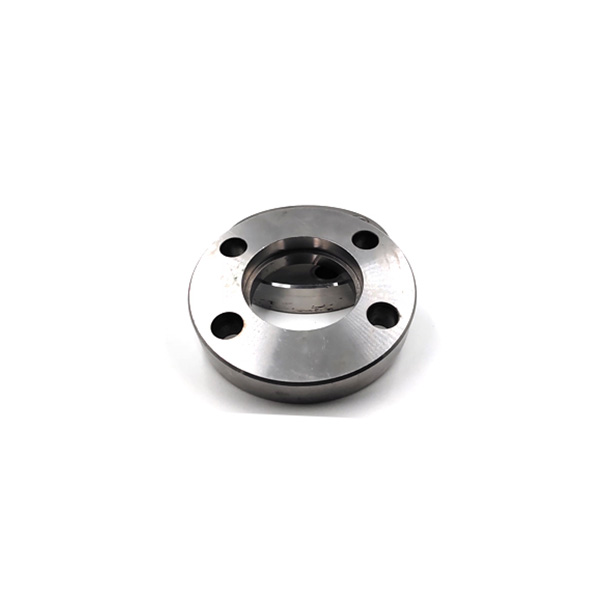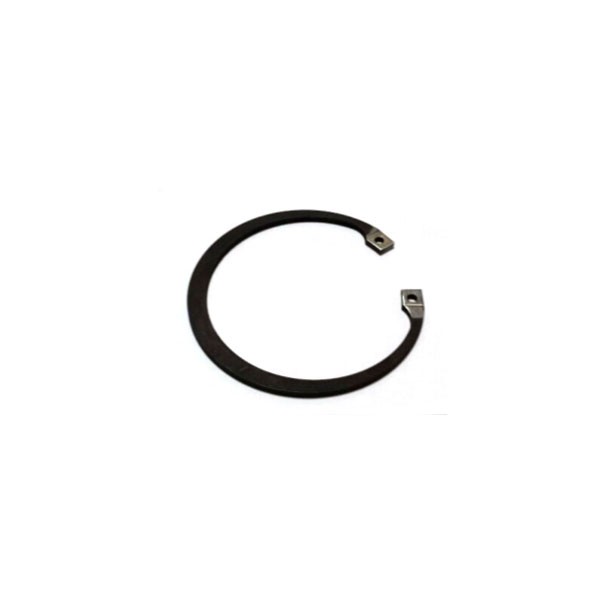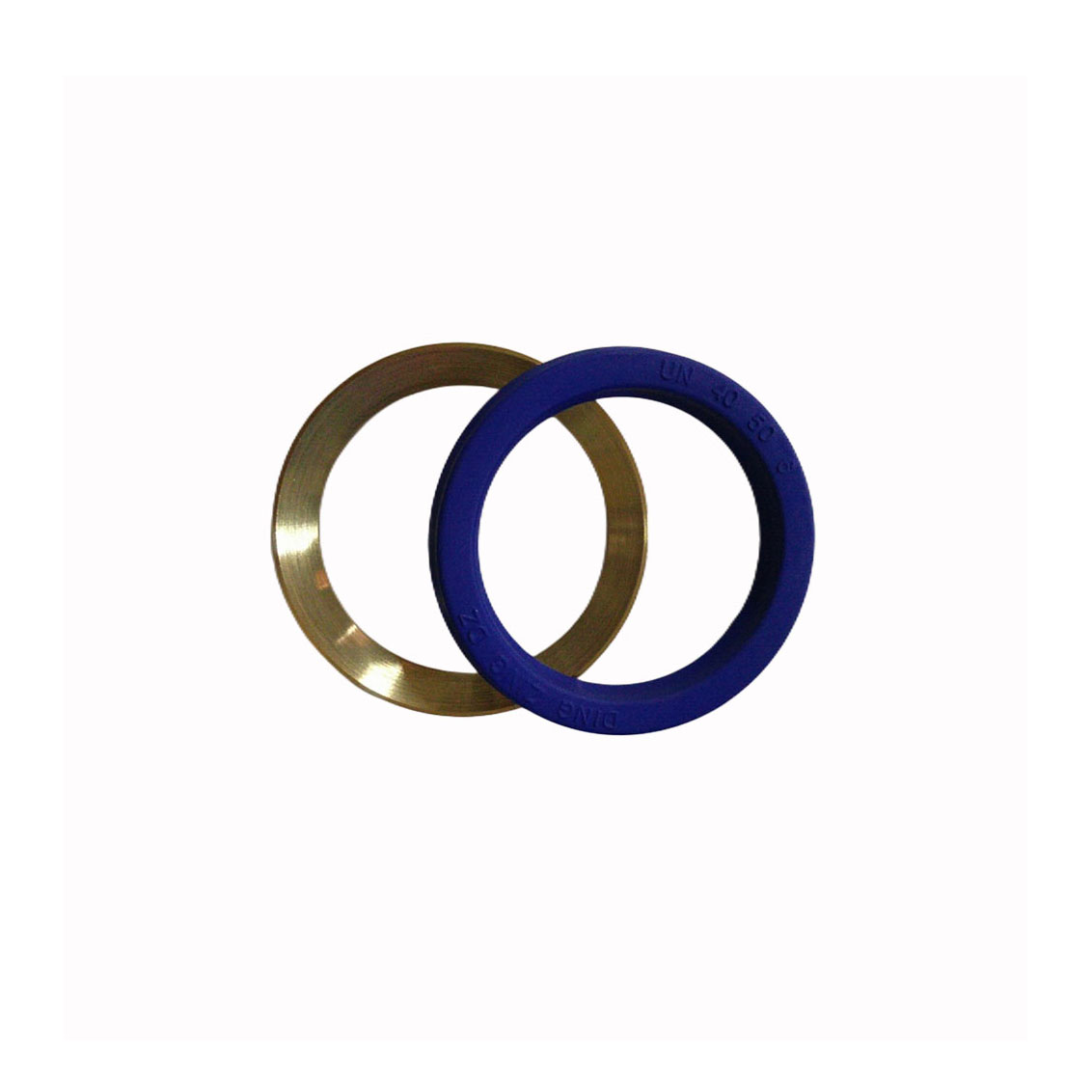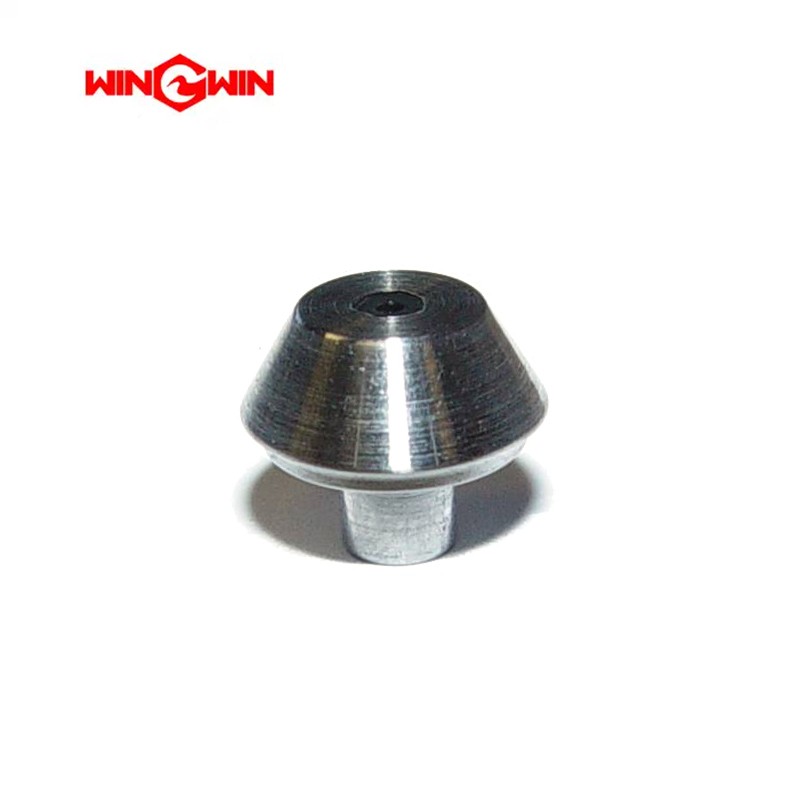
Final Filter (High-Pressure Water Filter)
Product Name: Final Filter (High-Pressure Water Filter) / Part No. 304080
Description:
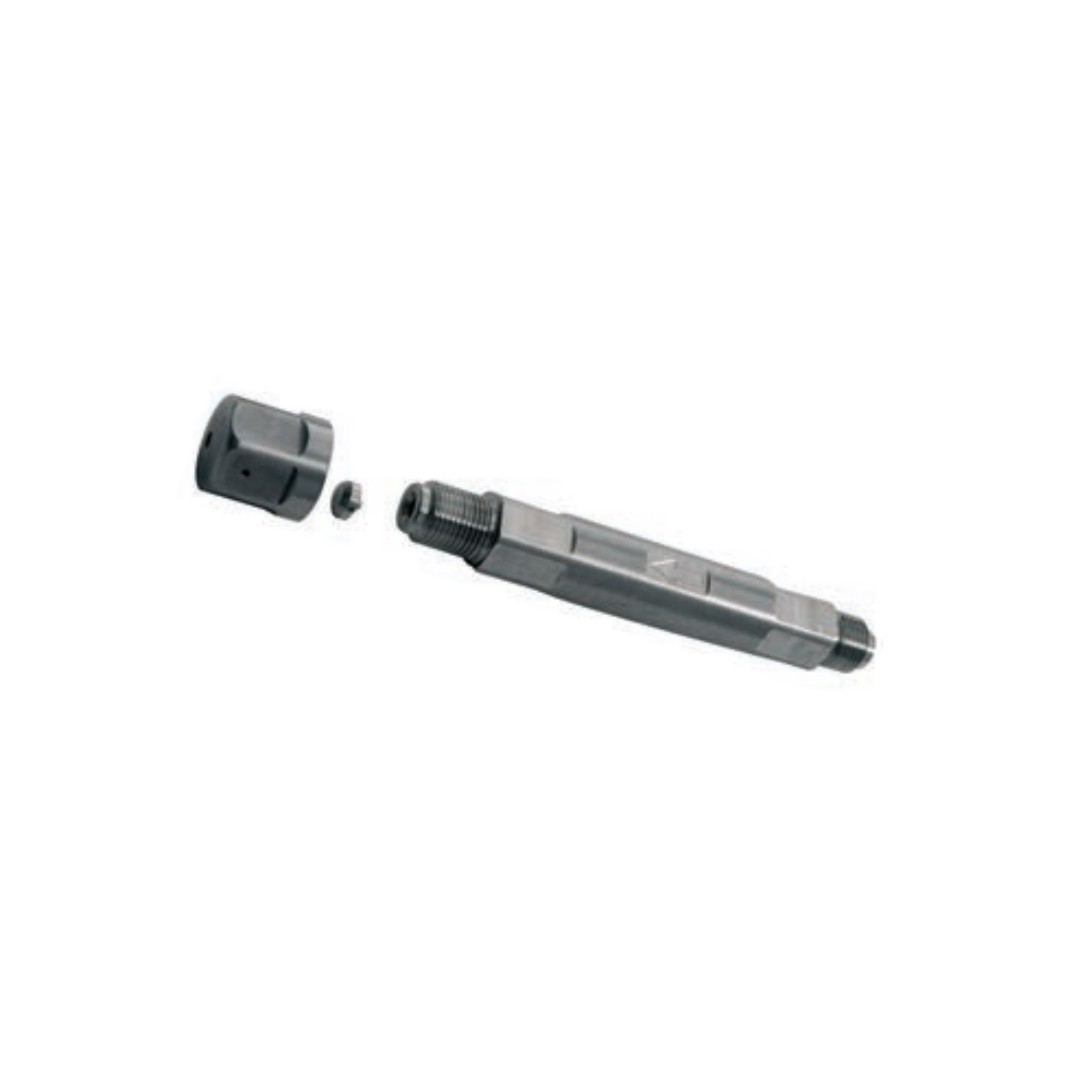
This component is a final filter, also known as a high-pressure water filter or last-stage inline filter, specifically designed for ultra-high pressure waterjet cutting systems . It serves as the final filtration stage positioned immediately before the high-pressure water enters the intensifier pump and cutting head assembly .
The final filter is engineered to remove microscopic contaminants, including fine rust particles, metal shavings, and residual abrasive dust, that may remain in the water supply after primary filtration . It protects critical and expensive components such as the intensifier check valves, high-pressure cylinder seals, and the sapphire/diamond orifice from erosion or blockage .
The filter typically features a durable stainless steel housing and contains a replaceable high-efficiency filter element (often rated between 1–3 microns) to ensure flawless water purity . It is rated for continuous operation at 60,000 PSI (approximately 4,137 bar) .
Applications:
Positioned as the last filtration stage before the water reaches the high-pressure intensifier pump
Protects sensitive components including check valves, dynamic seals, and the water orifice (jewel nozzle) from contamination-induced wear
Suitable for both pure water and abrasive waterjet cutting systems
Compatible with major waterjet systems including KMT, FLOW, OMAX, WSI, and BFT
Features:
High-Efficiency Filtration: Fine-micron filter element (typically 1–3 microns) removes microscopic impurities that damage critical components
High-Pressure Rating: Engineered for continuous operation at 60,000 PSI (4,100 bar)
Stainless Steel Construction: Corrosion-resistant housing ensures durability in waterjet environments
Final Protection Stage: Serves as the last line of defense before high-pressure water reaches expensive pump components
Consumable Element: Contains a replaceable filter element that requires periodic replacement
Maintenance:
Failure Diagnosis:
Gradual Pressure Drop: A slow decline in cutting pressure often indicates a clogged final filter element reaching its dirt-holding capacity
Premature Orifice Wear: Frequent replacement of jewel orifices suggests the final filter is allowing contaminants to pass through
Check Valve Leakage: Contaminants bypassing the filter can cause valve seats and poppets to erode, leading to pressure loss and overheating
Visible Pressure Differential: If the system is equipped with pressure gauges before and after the filter, a significant pressure drop indicates a blocked element
Replacement and Inspection Procedures:
Routine Replacement Schedule: Replace the internal filter element every 500–1,000 operating hours or as recommended by the equipment manufacturer to prevent clogging-induced starvation
Water Quality Dependence: If water quality is poor (high hardness or sediment), replacement frequency may need to be increased
Inspect for Debris: When changing the element, inspect the inside of the filter housing for accumulated sludge, rust, or grit. This indicates a need for better primary filtration
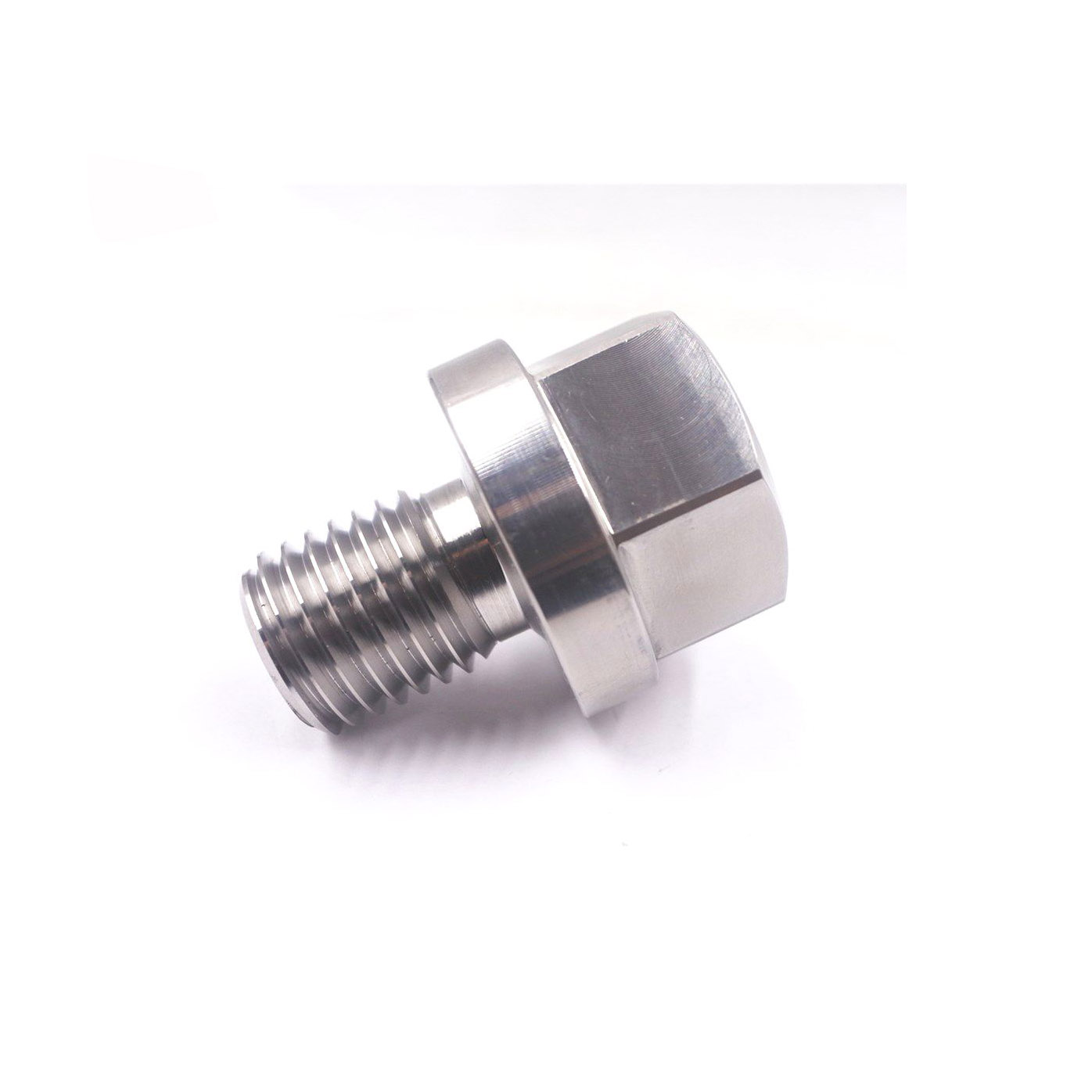
Housing Inspection: Check the stainless steel housing for cracks, corrosion, or thread damage each time the element is changed
Seal Replacement: Always replace the large O-ring or gasket that seals the filter housing cap during each element change to prevent external high-pressure water leaks
Installation Direction: Verify the filter is installed with the correct flow direction as indicated by arrows on the housing
Full Depressurization: Before any maintenance, fully depressurize the waterjet system and follow lockout/tagout procedures to prevent injury from trapped high-pressure water
Torque Compliance: When reassembling the housing, tighten the bowl or cap to the torque value specified in the equipment manual to avoid damaging the threads or causing high-pressure leaks