20498585-HP-Tube-Bent
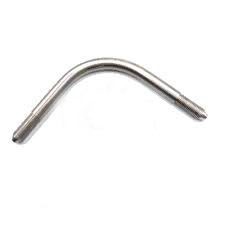
Product Name: HP Bent Tube / 3/8" High-Pressure Bent Nipple (Part No. 20498585)
Description:
This component is a pre-formed, bent high-pressure tube assembly designed for 60,000 PSI (approximately 4,137 bar) waterjet cutting systems. The .38 designation indicates a 3/8 inch outer diameter, which is a standard size for medium to high-flow waterjet plumbing. This rigid or semi-rigid tube features a specific bent geometry (typically 90 degrees) to efficiently route high-pressure water around the machine’s motion components and chassis. Manufactured from corrosion-resistant stainless steel, it serves as a permanent fluid conduit between the intensifier pump, on/off valve, and the cutting head swivel, ensuring a reliable, leak-free metal-to-metal seal .
Applications:
Changing the direction of high-pressure water flow by a specific angle (e.g., 90°) to route plumbing around the Z-axis slide or gantry.
Connecting the outlet of the on/off valve (water switch) to the inlet of the cutting head rotary joint.
Serving as a rigid line in the high-pressure circuit where precise routing is necessary and flexibility is not required .
Features:
Precision Bend: Hydraulically formed to a specific angle, eliminating the need for field bending which can weaken the tubing and create stress risers .
High-Pressure Rating: Constructed from high-grade stainless steel to withstand continuous pressure cycling up to 60,000 PSI .
Corrosion Resistant: Resists pitting and degradation from water and abrasive dust.
Cone Seat Ends: Features precision-machined 60-degree cone sealing surfaces for a reliable metal-to-metal seal with standard high-pressure fittings .
Maintenance:
Full Depressurization (Critical): Before any maintenance or removal, the waterjet system must be fully depressurized. Press the EMERGENCY STOP button to turn off control power and bleed high pressure from the intensifier. Never service or loosen a high-pressure fitting while the system is pressurized .
Visual Inspection: Before each use, inspect the tube for signs of vibration wear (fretting), surface cracking, bulging, or deep scratches. Pay close attention to the outer radius of the bend, where stress is highest.
Leak Check: Examine the cone seat connections for signs of high-pressure water weepage. A leaking connection requires immediate re-torquing or replacement of the gland nut and cone. All high-pressure leaks must be repaired immediately .
Vibration Damping: Ensure the tube is properly secured with clamps or brackets. Excessive vibration can lead to fatigue failure at the bend or end fittings.
Torque Compliance: Tighten the associated gland nuts to the specific torque value listed in the equipment service manual to ensure proper sealing without damaging the cone seats.
Replacement Criteria: Replace the bent tube immediately if any cracks, severe corrosion, or deformation is found. Do not attempt to straighten or re-bend a pre-formed tube, as this work-hardens the metal and creates stress risers.