
News
-
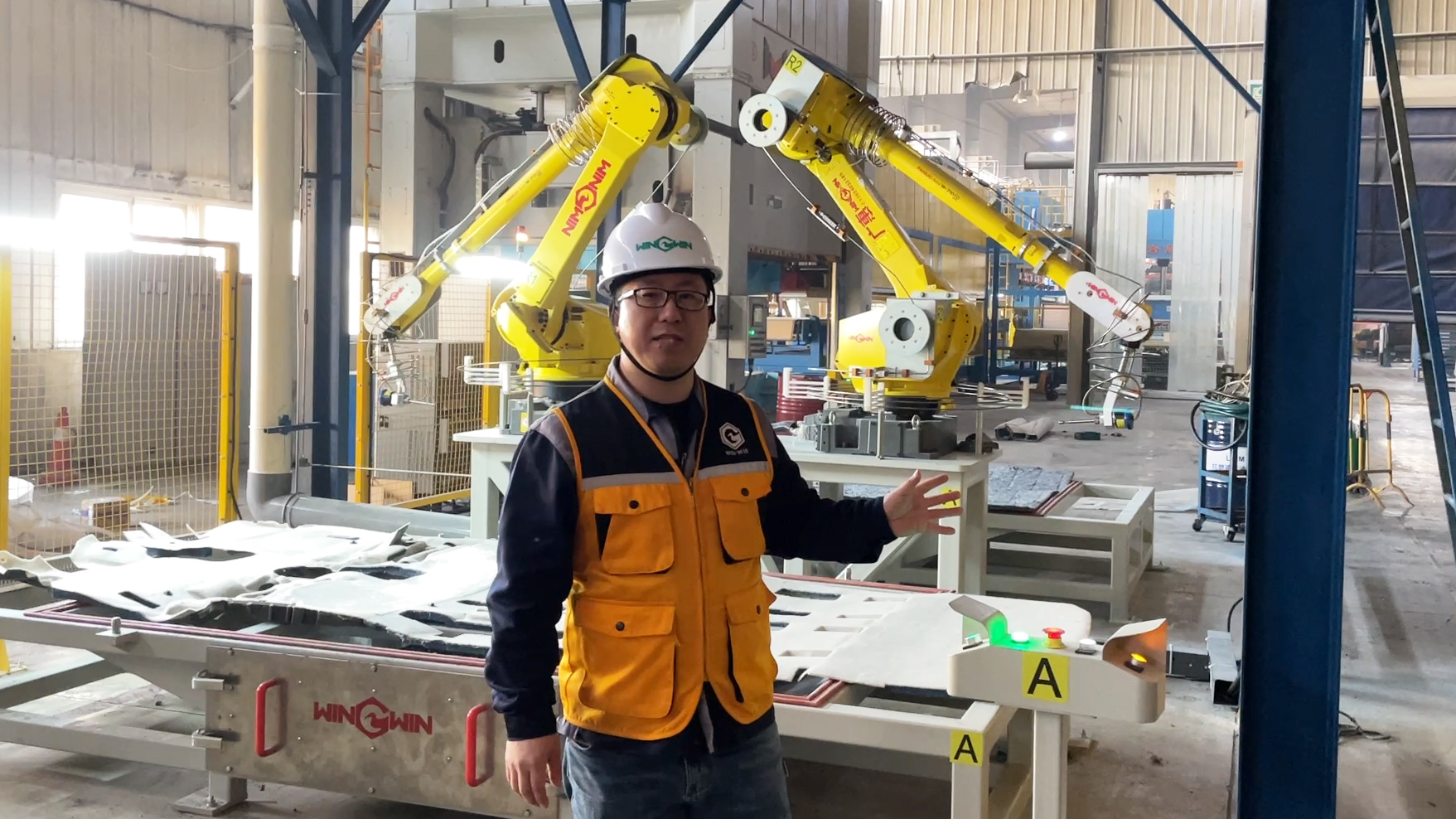
In waterjet cutting, What sensors (height control, collision detection) are essential for unattended
Running a waterjet lights-out—without an operator present—requires sensors that replace human observation and reaction. Three sensor categories are absolutely essential: height control for consistent cutting, collision detection for machine protection, and process monitoring for quality assurance. Without these, unattended operation inevitably leads to crashed heads, damaged nozzles, or scrap partRead more -
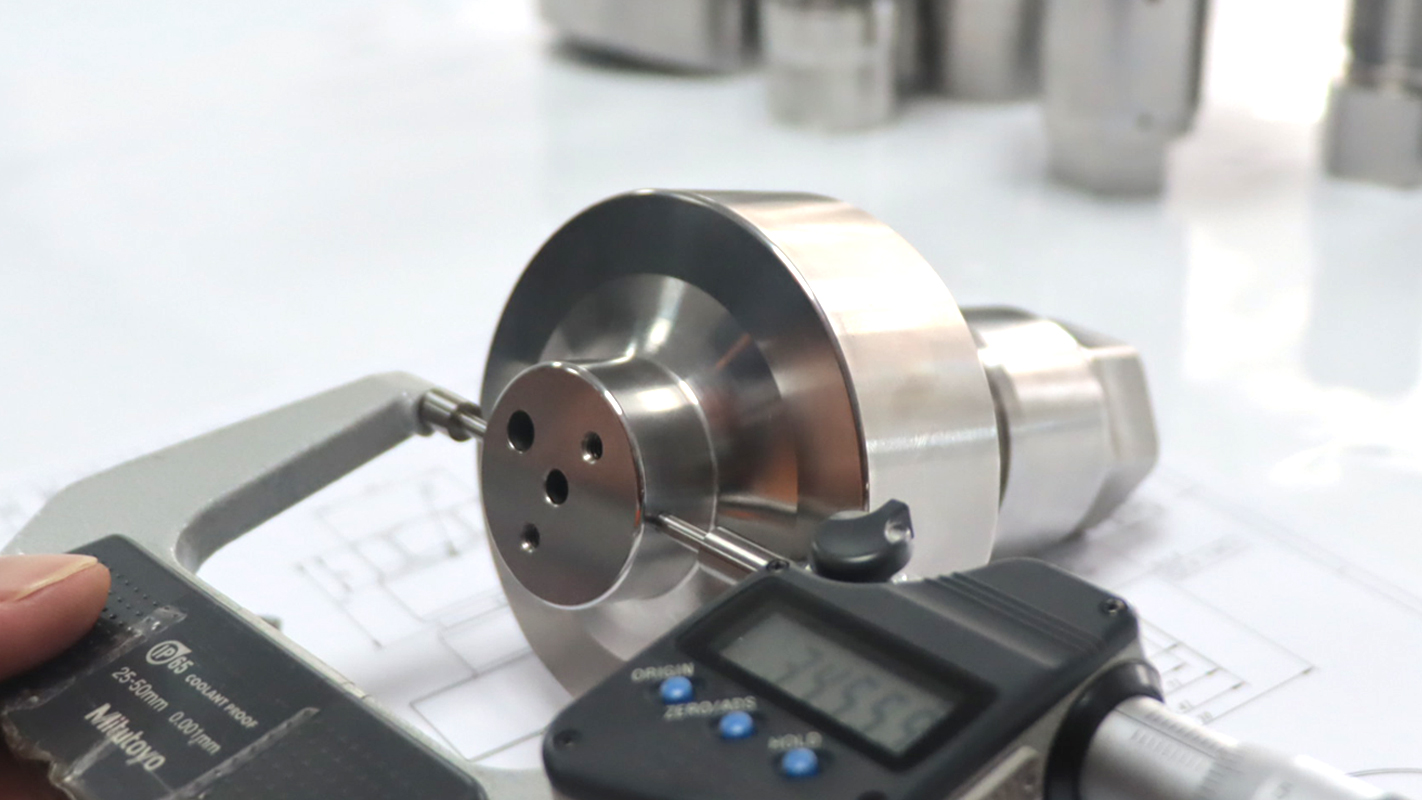
How to achieve near-laser edge finish on waterjet, and what post-processing is needed?
Standard abrasive waterjet cutting leaves a characteristic matte finish with fine striations, often compared to coarse sandpaper. A laser-cut edge is smoother, squarer, and often requires no secondary work. While waterjet cannot perfectly replicate a laser's heat-affected-zone-free finish, it can approach laser quality through specific parameter adjustments and targeted post-processing.Read more -
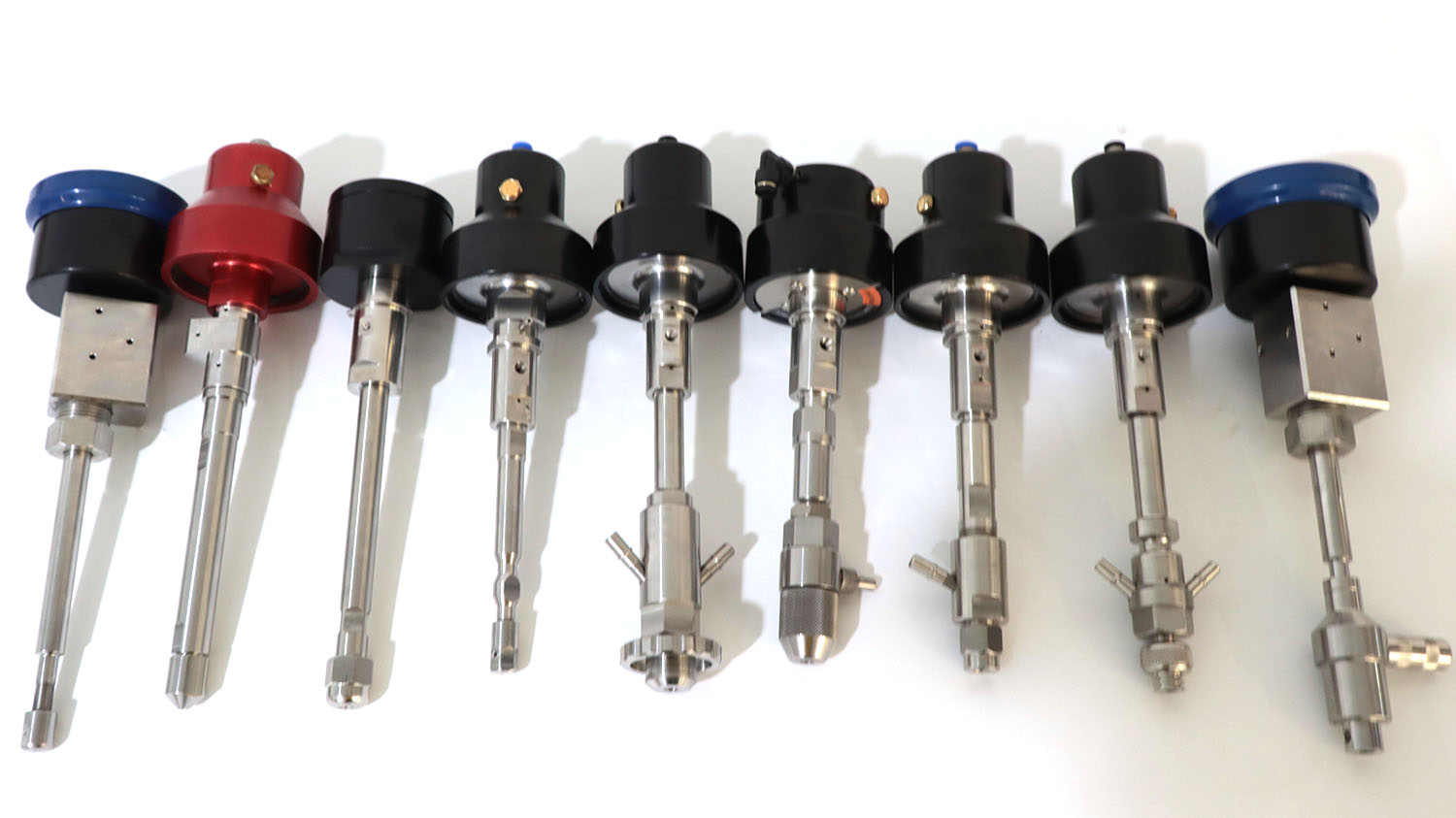
Can cut 3D parts (like bevels or angled edges) with a 5-axis waterjet head?
Yes, a 5-axis waterjet head can cut true 3D parts, including bevels, angled edges, countersinks, and even complex contoured surfaces. Unlike a standard 3-axis machine that keeps the nozzle perpendicular to the material, a 5-axis system tilts and rotates the cutting head while maintaining precise standoff distance. This capability transforms waterjet from a 2D profiling tool into a versatile 3D macRead more -
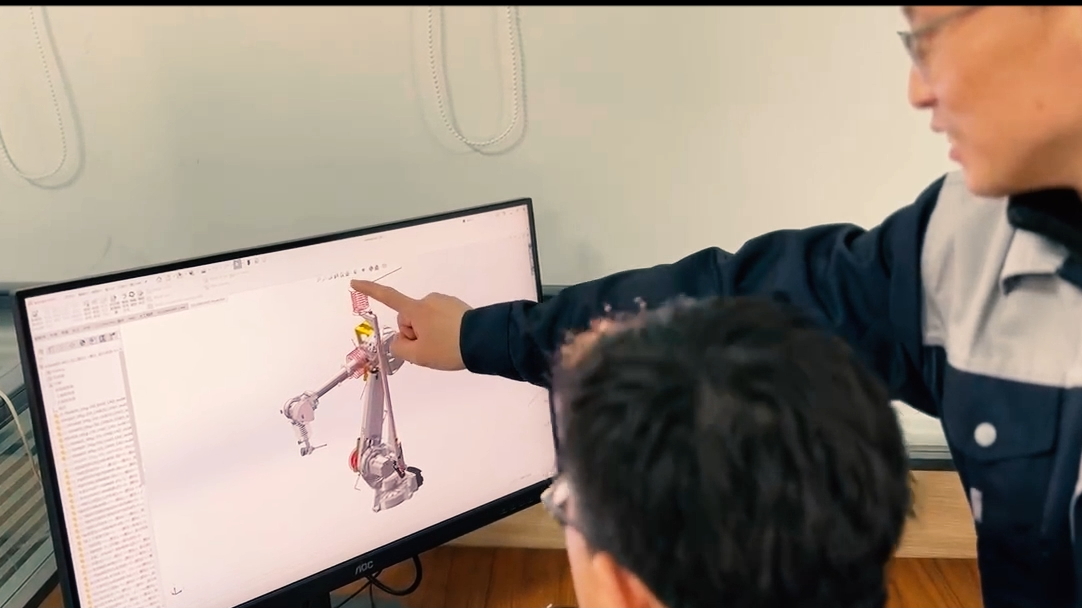
Which CAD CAM software has the best nesting and taper compensation for waterjet?
Selecting the optimal CAD/CAM software for waterjet cutting requires balancing two critical, often competing, objectives: maximizing material yield through intelligent nesting and maintaining edge squareness via dynamic taper compensation. No single software dominates both categories, but three platforms consistently lead industrial evaluations.Read more -
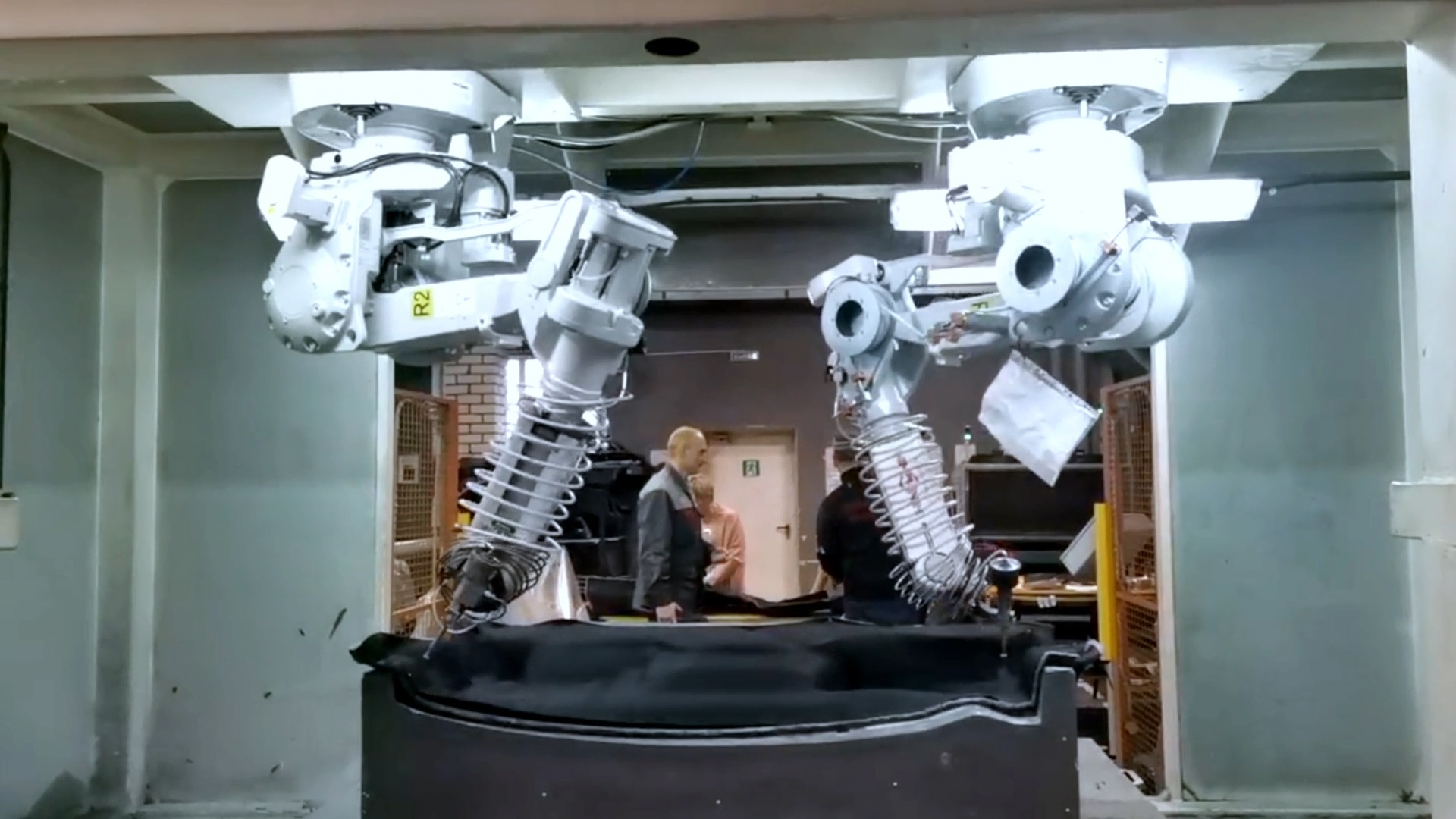
Waterjet Cutting: Software, Automation & Precision
Modern waterjet cutting has evolved from a manually operated abrasive process into a highly automated, precision manufacturing solution. The true value lies not in the pump or cutting head alone, but in the integrated ecosystem of software control, robotic automation, and motion accuracy. Below is a breakdown of how these three elements interact.Read more -
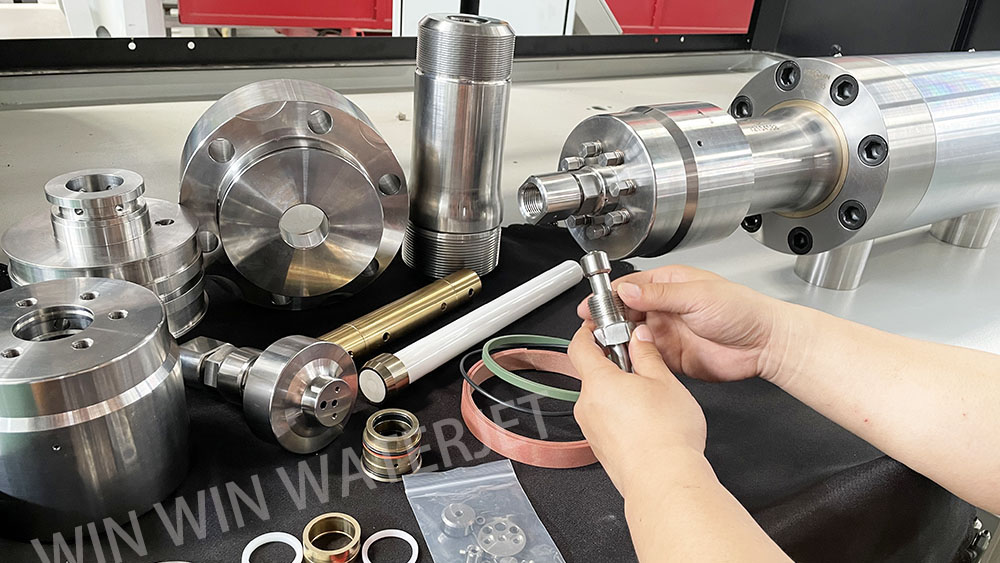
What are the hidden waterjet costs (disposal of garnet sludge, pump repair kits, water treatment)?
When budgeting for a waterjet system, the purchase price and garnet abrasive are obvious expenses. However, three major hidden costs—garnet sludge disposal, pump repair kits, and water treatment—can significantly impact long-term operating budgets. Below is a breakdown of each.Read more
